


Immune cells protect the spinal cord during aging
Researchers have discovered that the nervous system's own immune cells help protect the spinal cord from age-related damage. The results, which may contribute to new knowledge about how certain neurological diseases arise, are published in the journal Nature Neuroscience.
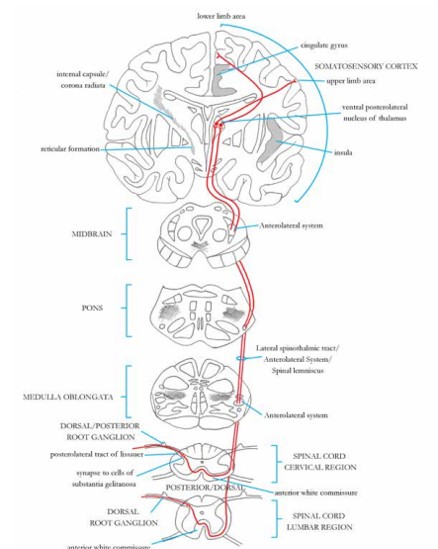
Ageing affects the entire body, including the spinal cord, which transmits signals between the brain and the rest of the body. The negative consequences of ageing are well known, but could there be positive, protective mechanisms activated?
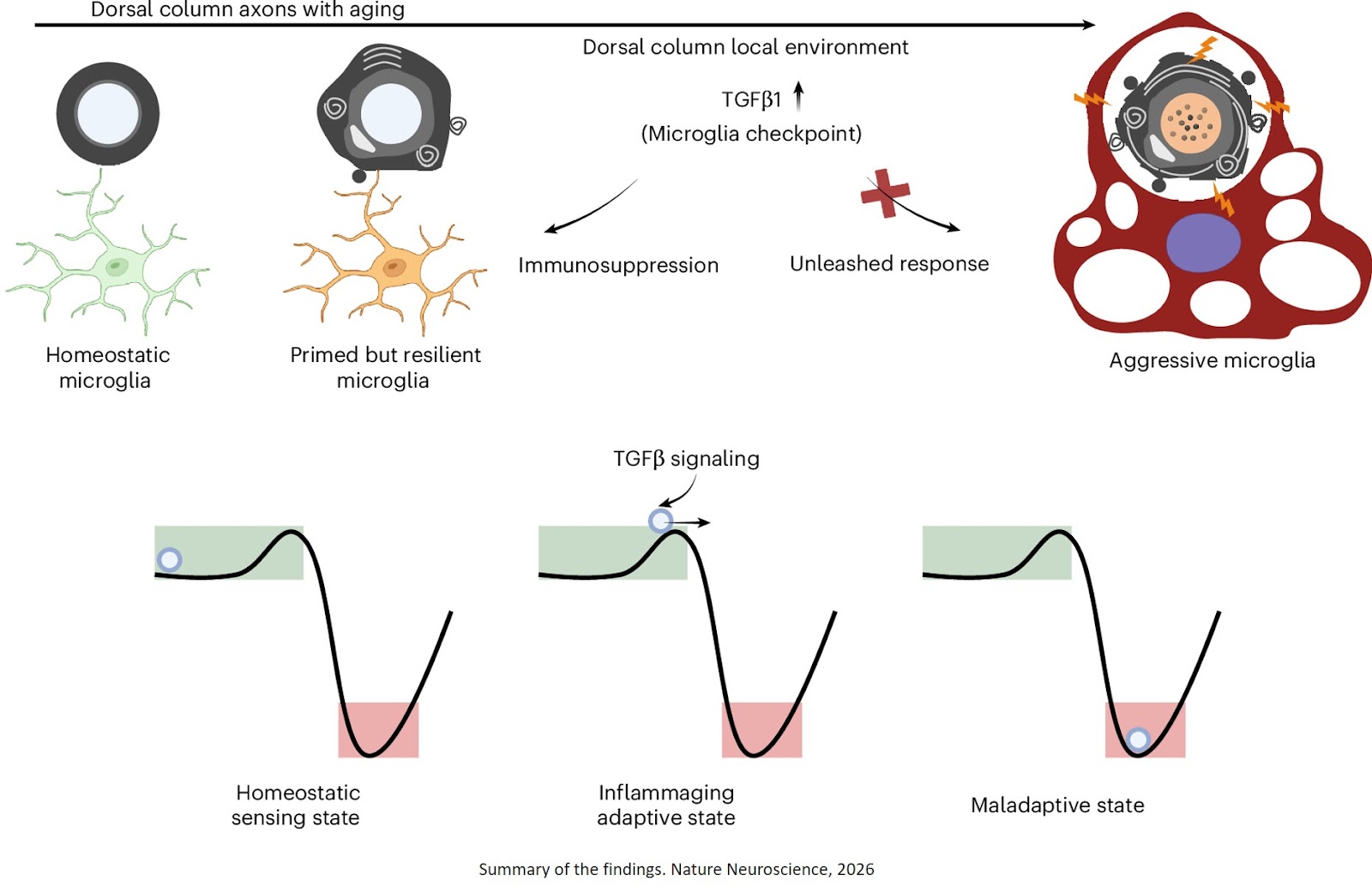
The researchers investigated how ageing affects myelin, the protective layer which envelops nerve fibres in the brain and spinal cord. By studying mice of different ages, the researchers found that the myelin in a specific region of the spinal cord – the dorsal columns – gradually accumulates damage during ageing.
The researchers focused on the immune cells of the brain and spinal cord, microglia, which help to keep the nervous system functioning properly.
“It is known that microglia can affect the quality of myelin, so we wanted to understand how these cells respond to age-related myelin damage," says the senior author.
In the ageing spinal cord, the researchers discovered that the microglia activated a signalling molecule called TGF-beta. This appears to act as a brake, preventing the cells from becoming overactive and damaging nerve fibres.
To test the significance of this brake, the researchers switched off TGF-beta production in older mice. Without the signal, the microglia began to attack the myelin, resulting in the mice developing clinical movement problems.
“Damage has also been found in this particular region of the spinal cord in people with certain neurological diseases. Our results may help us understand why,” says co-senior author.
https://www.nature.com/articles/s41593-025-02161-4
https://sciencemission.com/TGF%CE%B2-signaling-mediates-microglial-resilience