



Keto diet may restore exercise benefits in people with high blood sugar
To be healthy, conventional wisdom tells us to exercise and limit fatty foods. Exercise helps us lose weight and build muscle. It makes our hearts stronger and boosts how we take in and use oxygen for energy — one of the strongest predictors of health and longevity.
But people with high blood sugar often don’t achieve those benefits from exercise, especially the ability to use oxygen efficiently. They’re at higher risk for heart and kidney disease, but high blood sugar can prevent their muscles from taking up oxygen more effectively in response to exercise.
For them, a new study suggests the answer could be eating not less fat, but more.
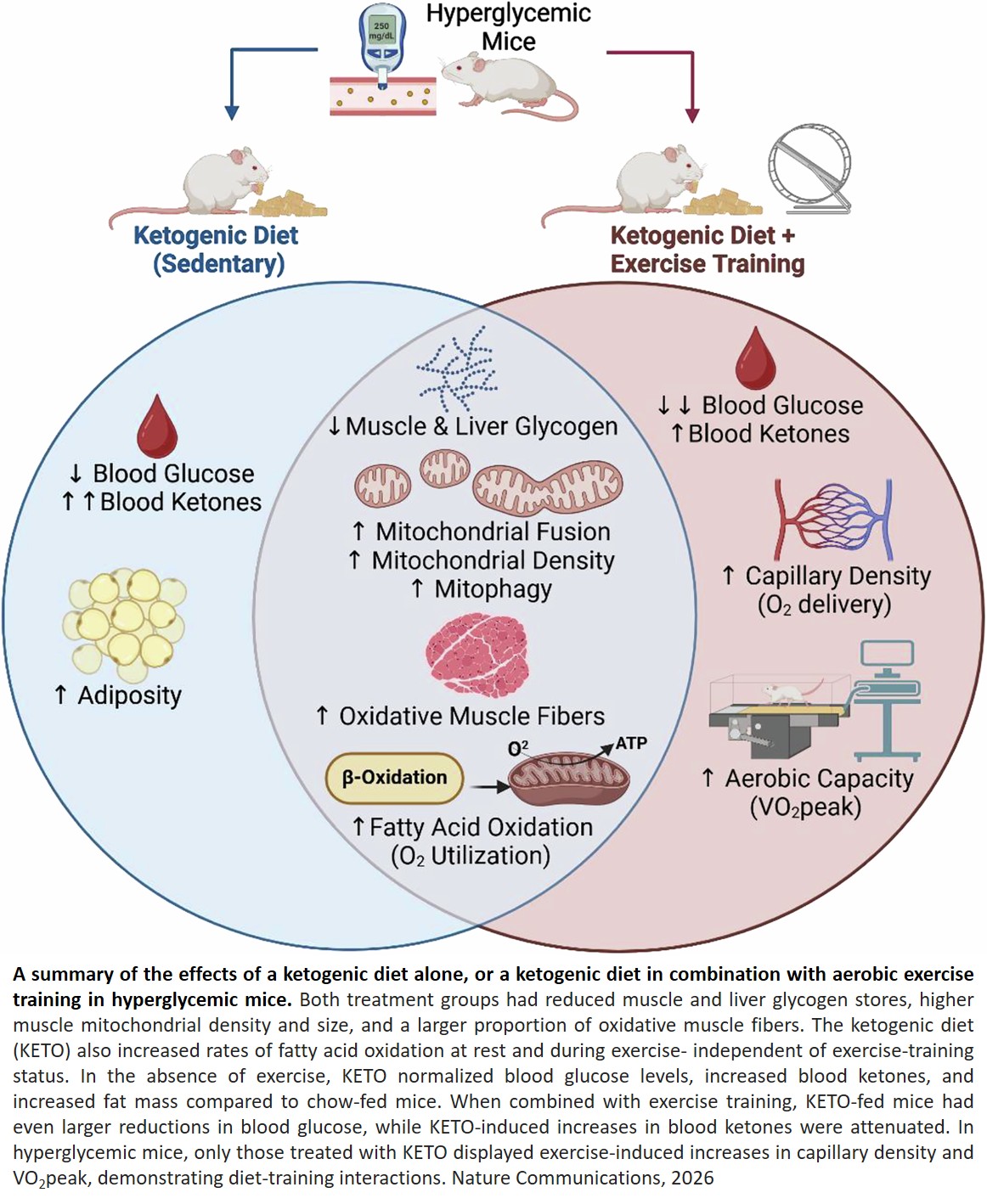
The study by exercise medicine scientist published in Nature Communications, found that a high-fat, ketogenic diet reduced high blood sugar, or hyperglycemia, in mice, and their bodies were more responsive to exercise.
“After one week on the ketogenic diet, their blood sugar was completely normal, as though they didn't have diabetes at all,” said the senior author. “Over time, the diet caused remodeling of the mice’s muscles, making them more oxidative and making them react better to aerobic exercise.”
The ketogenic diet is named for its ability to induce ketosis, a metabolic state that shifts the body to burning fat for fuel instead of sugar. The diet is controversial because it calls for eating high-fat, very low-carbohydrate foods, which is counter to the low-fat diet historically urged by health advocates.
However, the keto diet has been linked to benefits for people with some diseases, including epilepsy and Parkinson’s disease. In the 1920s, before the discovery of insulin, it was a way to manage diabetes because of its ability to lower blood sugar.
In earlier research, the authors found that people with high blood sugar had lower exercise capacity and wondered if the diet might improve the response to exercise, leading to higher exercise capacity.
Mice were fed a high-fat, low-carbohydrate diet and exercised on running wheels. The mice developed more slow-twitch muscle fibers, which give better endurance.
“Their bodies were more efficiently using oxygen, which is a sign of higher aerobic capacity,” the author said and added that the exercise positively affects virtually every tissue in our body, even fat tissue, but the researchers are seeing that the greatest health improvements won’t come with diet or exercise alone.
“What we're really finding from this study and from our other studies is that diet and exercise aren't simply working in isolation,” said the author. “There are a lot of combined effects, and so we can get the most benefits from exercise if we eat a healthy diet at the same time.”
Next, the authors would like to continue the research in human subjects to see if they gain the same benefits from the keto diet seen in mic and notes that the keto diet is challenging to follow. A less restrictive regimen, such as the Mediterranean diet, might be easier for people to follow and still be effective. That diet can also keep blood sugar low, while including carbohydrates from unprocessed fruits, vegetables, and whole grains rather than restricting carbohydrates altogether.
“Our previous studies have shown that any strategy you and your doctor have arrived at to reduce your blood sugar could work,” the author said.
https://www.nature.com/articles/s41467-026-69349-5
https://sciencemission.com/A-ketogenic-diet-enhances-aerobic-exercise