


Modulating macrophages using biomaterials
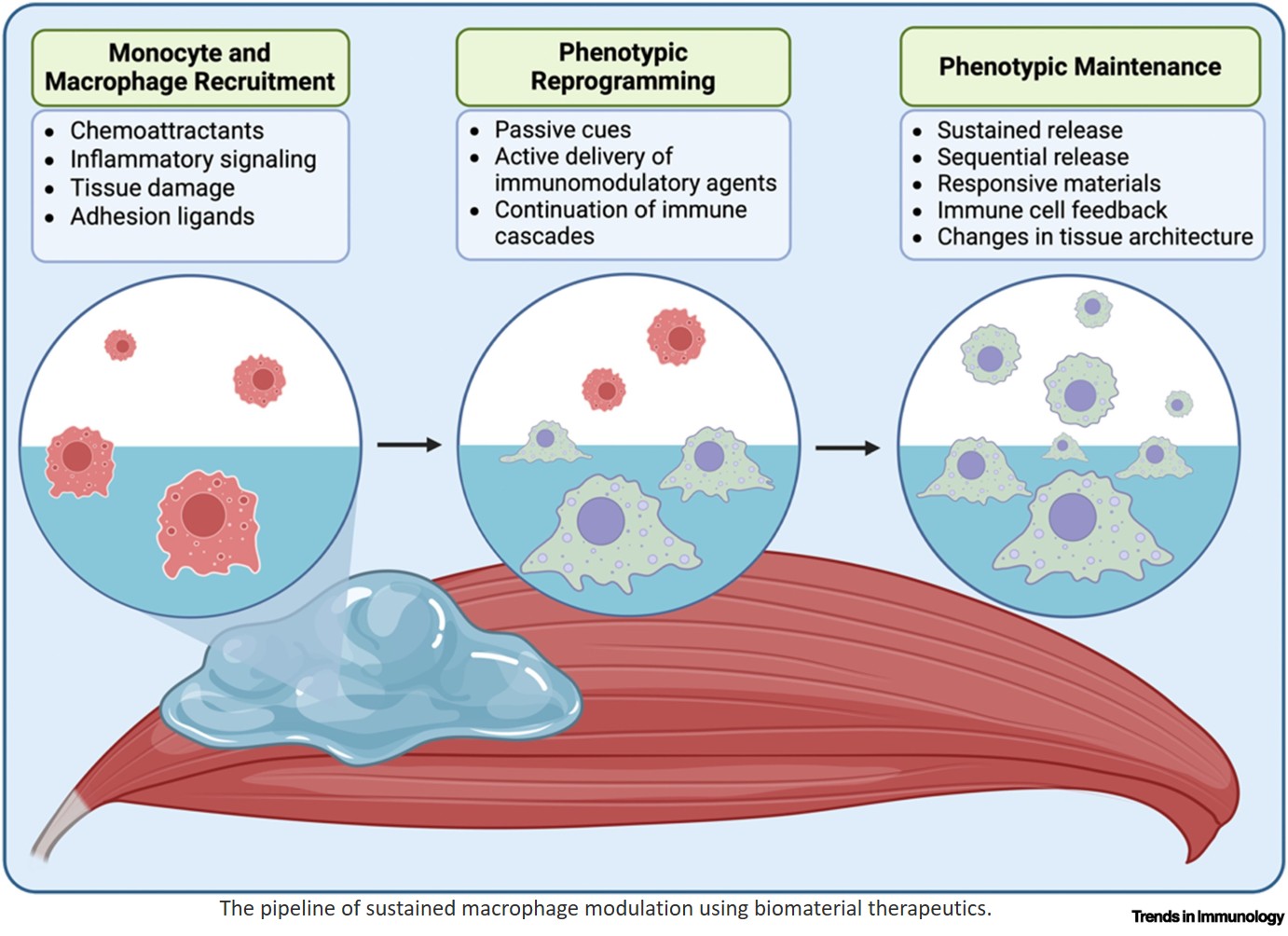
Biomaterial properties (chemistry, topography, mechanics, porosity, and degradation) influence macrophage recruitment, activation, and phenotype beyond the M1/M2 paradigm.
Passive immunomodulation, including zwitterionic coatings, extracellular matrix peptides, and mechanotransductive tuning, complements the active delivery of cytokines, small molecules, and nucleic acids.
Programmable and responsive systems enable spatiotemporal control of macrophage signaling, including pH-, reactive oxygen species-, and matrix metalloproteinase-triggered release in a variety of disease microenvironments.
Platforms including nanoparticles, hydrogels, scaffolds, and chimeric antigen receptor macrophage approaches demonstrate therapeutic efficacy across muscle regeneration, chronic wounds, inflammatory diseases, and cancer immunotherapy.
https://www.cell.com/trends/immunology/fulltext/S1471-4906(26)00163-8
https://sciencemission.com/Biomaterial-guided-macrophage-modulation