



New proteins revealed in dark proteome
Scientists have uncovered more than 1,700 new proteins that could have implications for human diseases, including cancer. Mostly very small, these proteins were found in what’s called the ‘dark proteome’, which covers gene products from previously overlooked sections of DNA. These proteins have unusual properties, motivating scientists to coin a new concept, peptideins, to help understand their potentially unique biology. Their findings are being shared with scientists worldwide in an open-source format to stimulate further research.
Genes in DNA provide the recipe for cells to produce strings of amino acids, called peptides. Historically, peptides have been called proteins if they are long enough and have existing evidence for a biological role, such as the appearance of the same protein across species in evolution. A large, curated international database of proteins contains some 19,500 entities. But increasingly, scientists believe the traditional definition of a protein needs to be broadened.
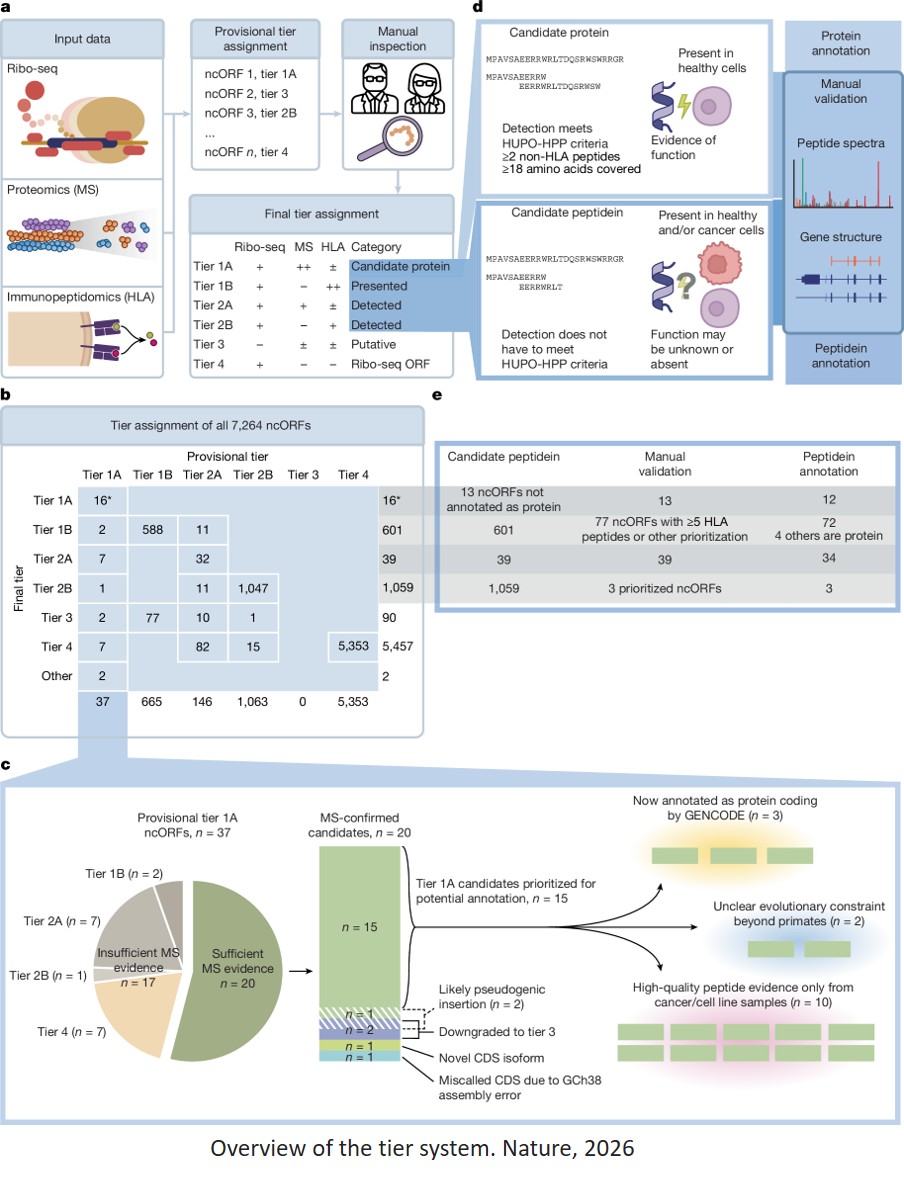
A team of scientists looked at more than 7,200 previously understudied sections of the DNA called non-canonical open reading frames (ncORFs). They found that some 25 per cent of these sections – more than 1,700 – generated detectable protein-like molecules. These proteins are smaller than traditional proteins and therefore referred to as 'microproteins'.
The new study was published in the prestigious journal Nature. In the new study, scientists looked at 3.7 billion individual bits of raw data that may support known and previously unknown proteins – drawing upon 95,520 experiments, which took around 20,000 hours for computers to complete working non-stop. They found 1,785 microproteins, a number that at first glance would increase the protein databases by nearly 10 per cent.
But most of these 1,785 microproteins didn’t resemble the other 19,500 traditional proteins. For example, they were very small: 65 per cent were fewer than 50 amino acids in length, compared to less than 1 per cent of the 19,500.
Looking more closely at the microproteins, they saw that only a few – perhaps a dozen – resembled the traditional proteins. For the remaining bulk, they spent over a year trying to figure out how to make sense of them.
Working with protein experts from across the globe in the TransCODE consortium, the scientists coined a new biological concept: the peptidein. For decades, the research community has had a binary view of the relationship between human DNA and human proteins. A given piece of DNA either does or does not produce a protein. In their new study, the scientists propose a third choice: DNA could make a protein, a peptidein, or neither.
The team defined a peptidein as existing in cells as a protein-like molecule, meaning that it is made of amino acids like proteins are. But the role of a peptidein is ambiguous. Perhaps it has a function in normal human biology, or perhaps not; this is the key distinction with traditional proteins, where all are believed to have a function in normal human biology even if the details of that function are not fully known yet.
Importantly, this definition of peptidein leaves the door open for it to become a ‘protein’ in the future – that is, if scientists gather more evidence on it. To start exploring this idea, the team searched for peptideins without which cells cannot survive. These so-called pan-essential peptideins can be important candidate drug targets in cancer and other diseases.
Using large-scale CRISPR gene editing, the scientists found six peptideins that looked promising. For example, one of these was a peptidein produced from OLMALINC, a genetic sequence previously thought not to produce proteins. When the researchers switched this gene off, 85 per cent of more than 485 cancer cell lines showed impaired survival. The researchers confirmed that this effect comes from the peptidein itself, not the RNA molecule it sits on, and found that it plays a role in cell division and DNA damage response.
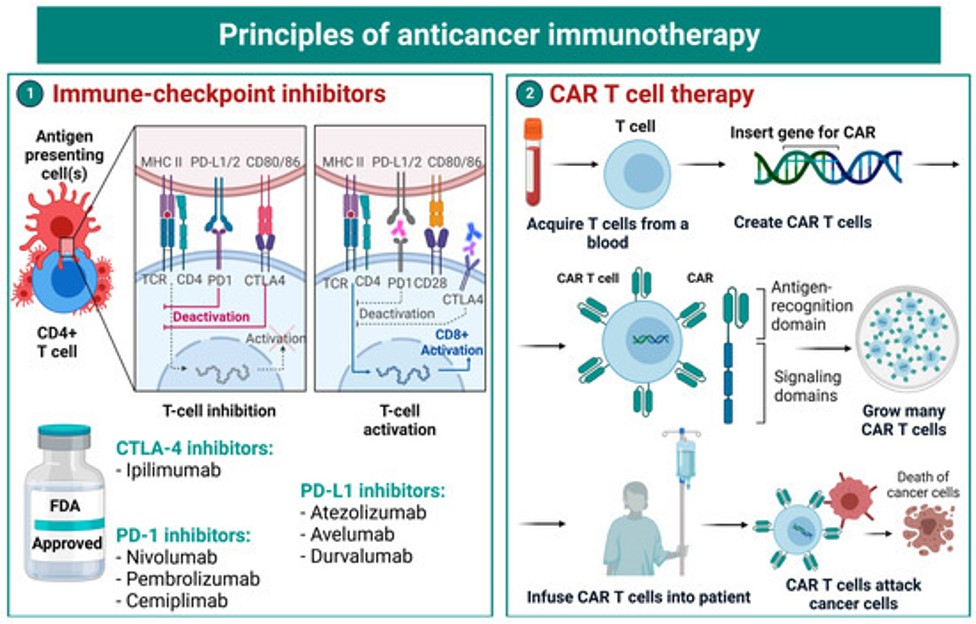
Many of the newly detected peptideins are presented on cell surfaces for recognition by the immune system, making them potential targets for cancer immunotherapy. A number of such molecules presented to the immune system are already under development as drug targets, and there is growing interest from both academia and industry in exploiting this new class of cancer antigens. Peptideins could also shed light on genetic diseases that conventional gene analysis has been unable to explain, simply because genetic diagnostics were unaware that these molecules were encoded by the human genome.
Members of the consortium had previously uncovered an essential role for a microprotein, ASNSD1-uORF, in children with a high-risk form of the brain cancer, medulloblastoma. Scientists are now carrying out further research to determine its role in additional pediatric cancers with the activated MYC oncogene, such as neuroblastoma.
https://www.nature.com/articles/s41586-026-10459-x
https://sciencemission.com/human-proteome-with-microproteins