

Renin–angiotensin system in brain health
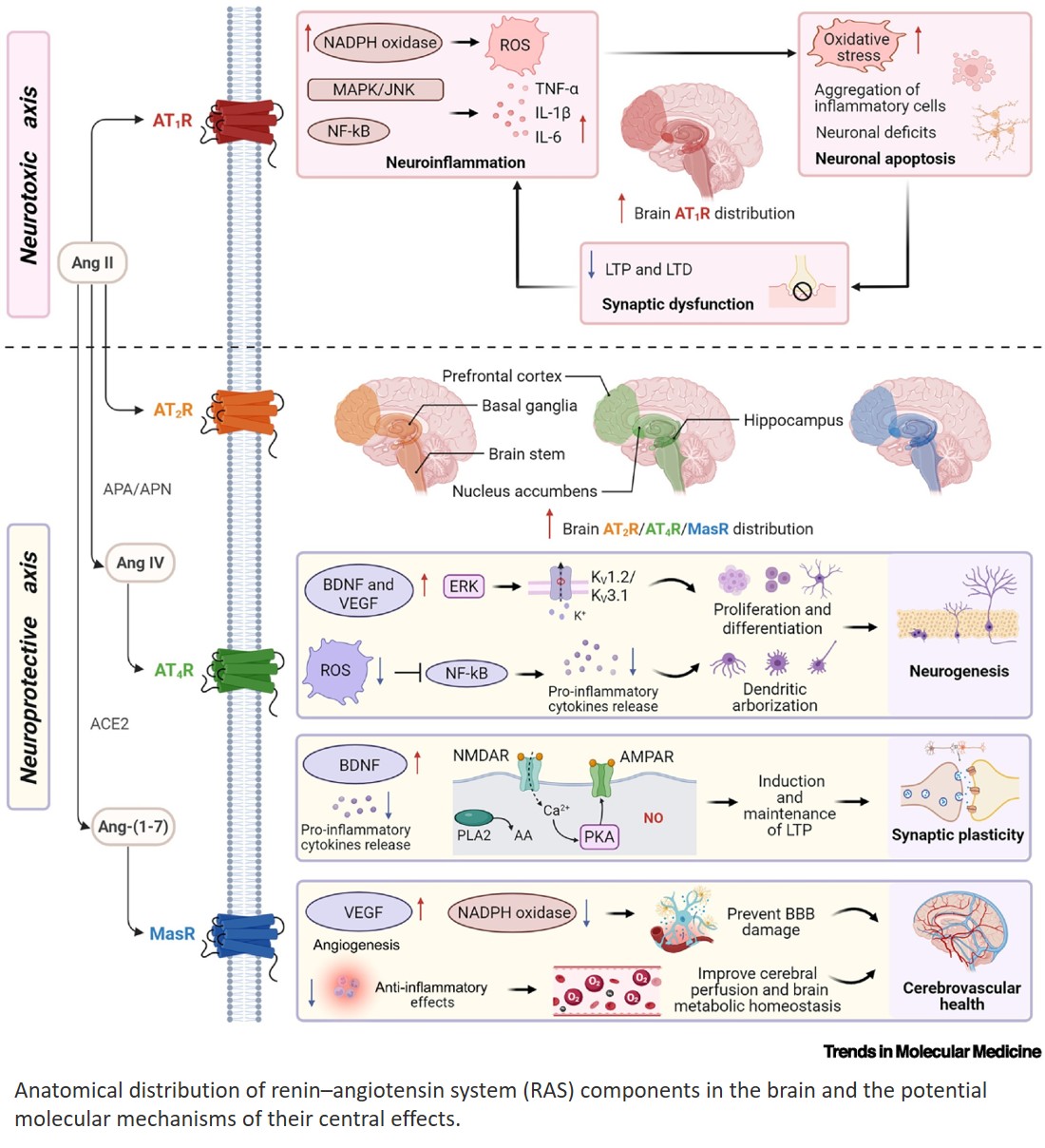
Brain renin–angiotensin system (RAS) comprises opposing signaling pathways: neurotoxic angiotensin type 1 receptor (AT1R)-mediated and neuroprotective angiotensin type 2/4 receptor (AT2R/AT4R)/ MAS receptor (MasR) axes, differentially regulating neuroinflammation, synaptic plasticity, and neurodegeneration.
Angiotensin receptor blockers (ARBs) effectively modulate frontostriatal circuits for reward, hippocampal–prefrontal networks for memory, and frontolimbic systems for fear regulation.
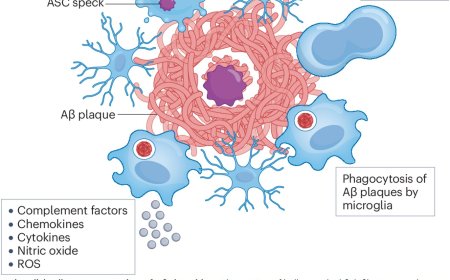
ARBs demonstrate transdiagnostic potential across depression, Alzheimer’s disease, and fear-related disorders by targeting neuroinflammation, hypothalamic–pituitary adrenal (HPA) dysregulation, and synaptic dysfunction.
Translational efforts are impeded by population heterogeneity, sex-specific treatment responses, dose-dependent effects, and variability in clinical outcome measures.
Future precision trials should incorporate behavioral and neurobiological outcomes, as well as pharmacokinetic stratification, to optimize brain RAS-targeted interventions.
https://www.cell.com/trends/molecular-medicine/fulltext/S1471-4914(25)00239-4