




Ultrasound to alter how the brain responds to pain
Using ultrasound to stimulate a specific part of the brain could offer a non-invasive therapy that benefits those experiencing chronic pain, a new study has suggested.
The research was published in the journal Nature Communications.
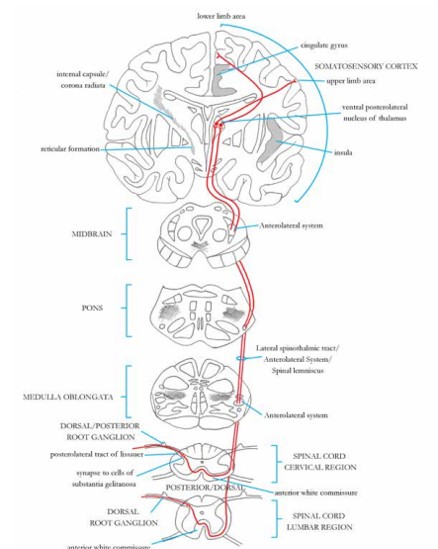
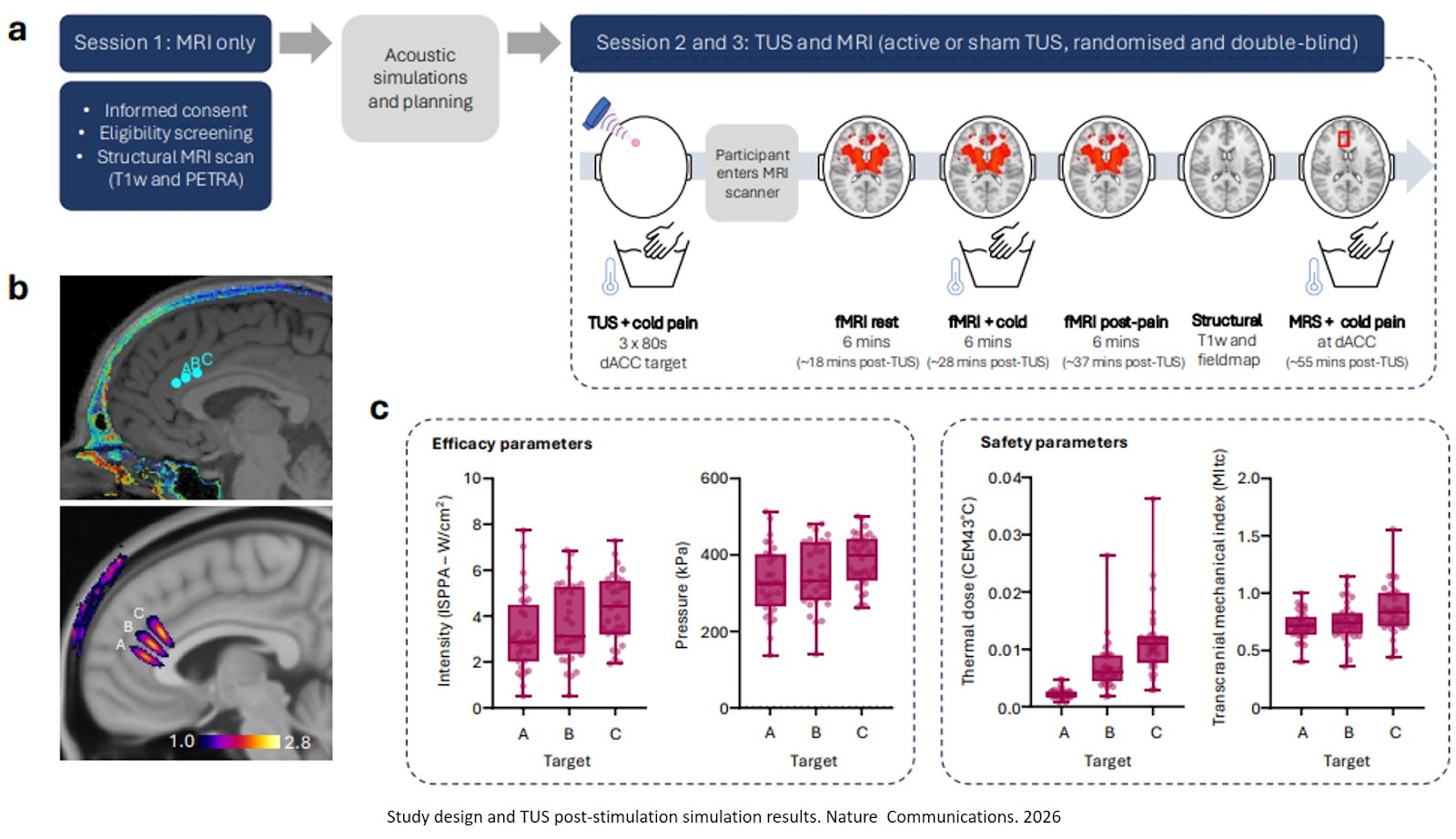
The researchers invited participants to sessions where transcranial ultrasound stimulation (TUS) – a safe low-intensity and targeted neuromodulation technique – was applied to the dorsal anterior cingulate cortex (dACC), a region of the brain implicated in those experiencing chronic pain.
During the stimulation, their right hand was placed in a cold gel to illicit pain sensations and they were asked a series of questions to rate the severity of any pain they were feeling.
They also underwent MRI and magnetic resonance spectroscopy (MRS) scans throughout the same period, which researchers used to monitor any functional and biochemical changes within the participants’ brain.
The results showed that while TUS had no immediate effect on the pain intensity people were feeling, they reported a significantly greater reduction in pain from 28 to 55 minutes after the TUS application, suggesting it may have a delayed analgesic effect.
The researchers say the study extends current understanding of the effects of TUS on the dorsal anterior cingulate cortex by demonstrating it can bring about functionally meaningful changes in pain perception and brain connectivity.
The also believe the findings lay important groundwork for exploring the therapeutic use of TUS in people experiencing chronic pain through conditions including fibromyalgia, back pain and arthritis, or while they are recovering after cancer treatment.
The study’s lead author, said: “The study aimed to characterise how transcranial ultrasound stimulation interacts with – and potentially also alters – the brain’s processing of pain. Understanding these mechanisms will be very important to support the next steps in understanding whether the stimulation can be effective in helping patients with chronic pain.”
The senior auhtor said: “Having shown the use of ultrasound can yield positive results for people with a variety of neurological conditions, we wanted to explore what it could mean for those living with chronic pain. Most of us know someone experiencing chronic pain, and there are very few treatments that deliver any form of long-term benefit. The findings of this new work are really promising, and we are already building on it to assess whether TUS could be a beneficial and non-invasive therapeutic treatment.”
https://www.nature.com/articles/s41467-026-72934-3
https://sciencemission.com/Multi-focal-ultrasound-neuromodulation