

New genetic cause of rare movement disorder discovered!
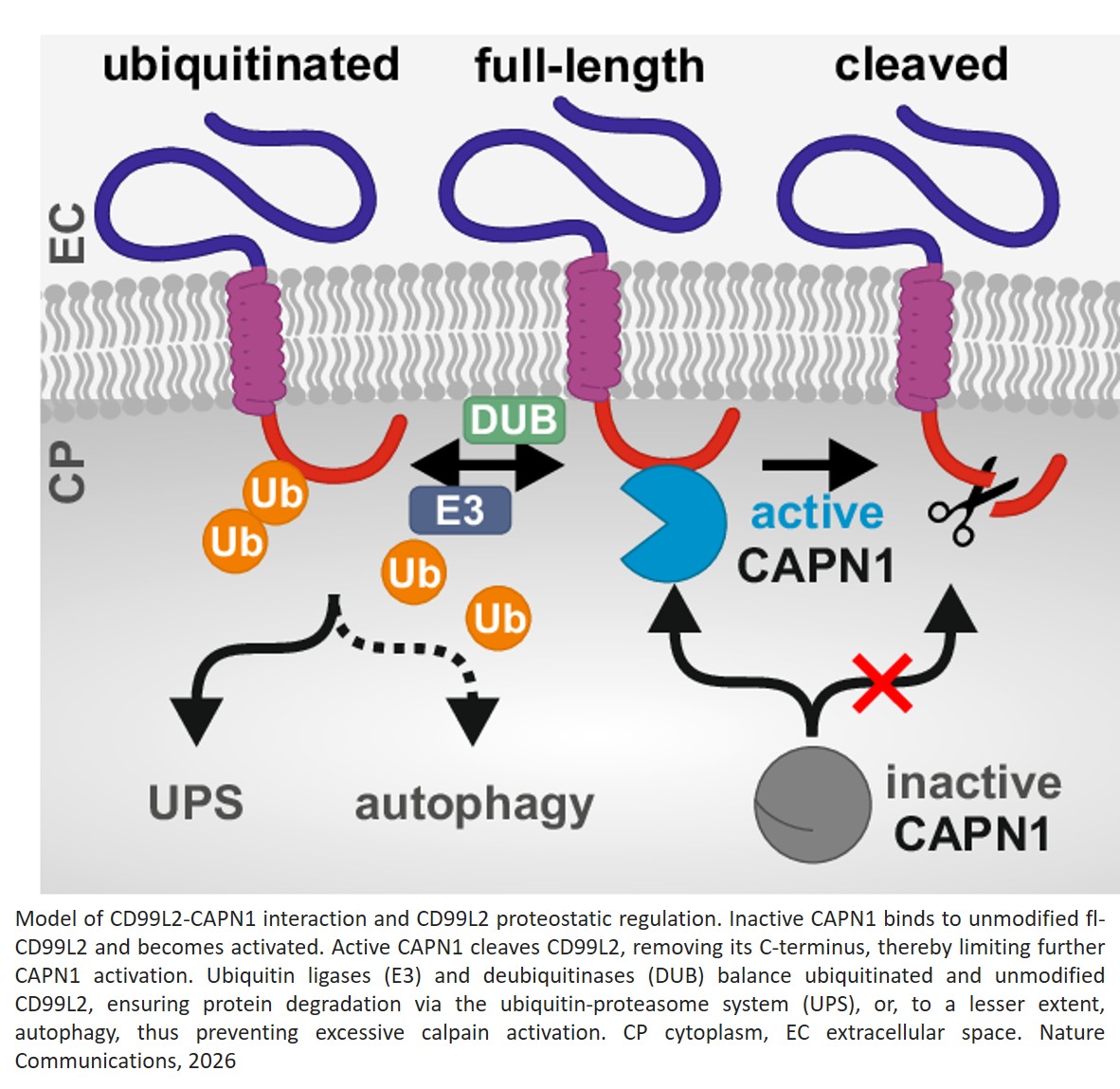
Genetic analysis of the large patient cohort and functional characterization of the newly identified disease gene was carried out by a research team.
CD99L2 was primarily known for its functions in the immune system, but no role in the nervous system had previously been described. Only by combining genome-wide analysis with cellular biological experiments were the researchers able to show that the gene plays a key role in neuronal signal pathways.
The researchers demonstrated that the protein coded by CD99L2 acts as an activating partner for the calcium-dependent protease CAPN1, a known disease protein in spastic paraplegia and ataxia. “Disease-causing variants lead to disrupted production of the CD99L2 protein in the cell and prevent its interaction with CAPN1,” explains the senior author. “Patients’ cells also showed specific disruptions of synaptic processes.”
The authors also show that ablation of cytoplasmic or extracellular domains of CD99L2 leads to its intracellular mislocalization and abrogation of its interplay with CAPN1.
The reduced CAPN1 activation and the resulting dysregulation of neuronal signal pathways plausibly explain the observed symptoms.
“Our results show that genetic diagnostics and functional neuroscience are not mutually exclusive areas,” says the author. “Only when both disciplines work closely together can a reliable disease mechanism be derived from a genetic variant.”
The identification of CD99L2 as a new disease gene not only improves genetic diagnostics for rare movement disorders, but also provides new insights into fundamental neurodegenerative mechanisms.
Spastic ataxia refers to rare neurodegenerative diseases in which disturbances of movement coordination (ataxia) occur in combination with spastic paralysis. Symptoms arise due to the involvement of the cerebellum and motor pathways in the central nervous system. The onset and course of the disease vary depending on the genetic cause.
https://www.nature.com/articles/s41467-026-69337-9
https://sciencemission.com/X-linked-spastic-ataxia