
Plants reduce iron uptake when stressed
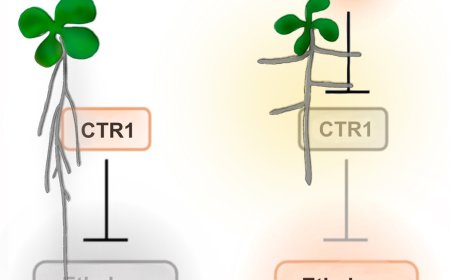
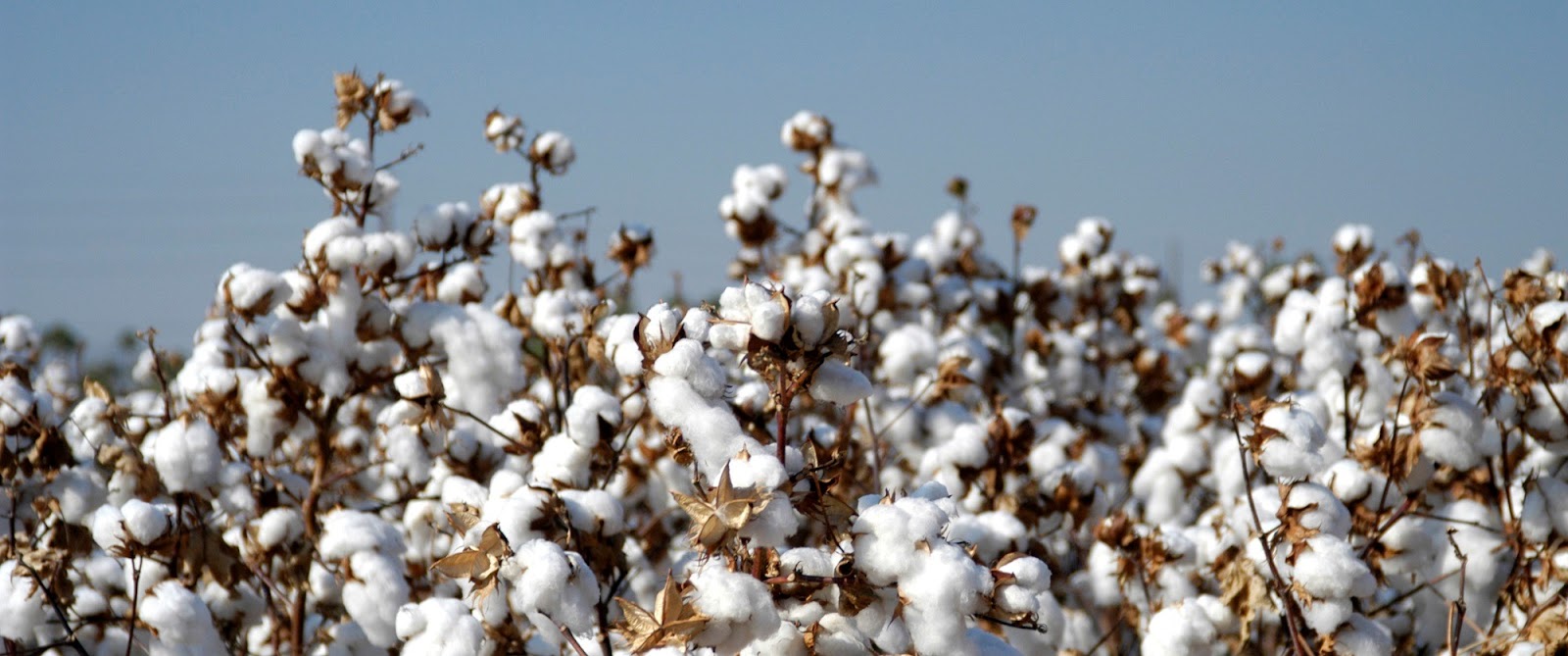
New research has found that plants, ranging from canola to rice to tomatoes, actively shut down their own ability to take up iron when they experience drought.
It’s a finding that could have implications for the nutritional value of agricultural crops.
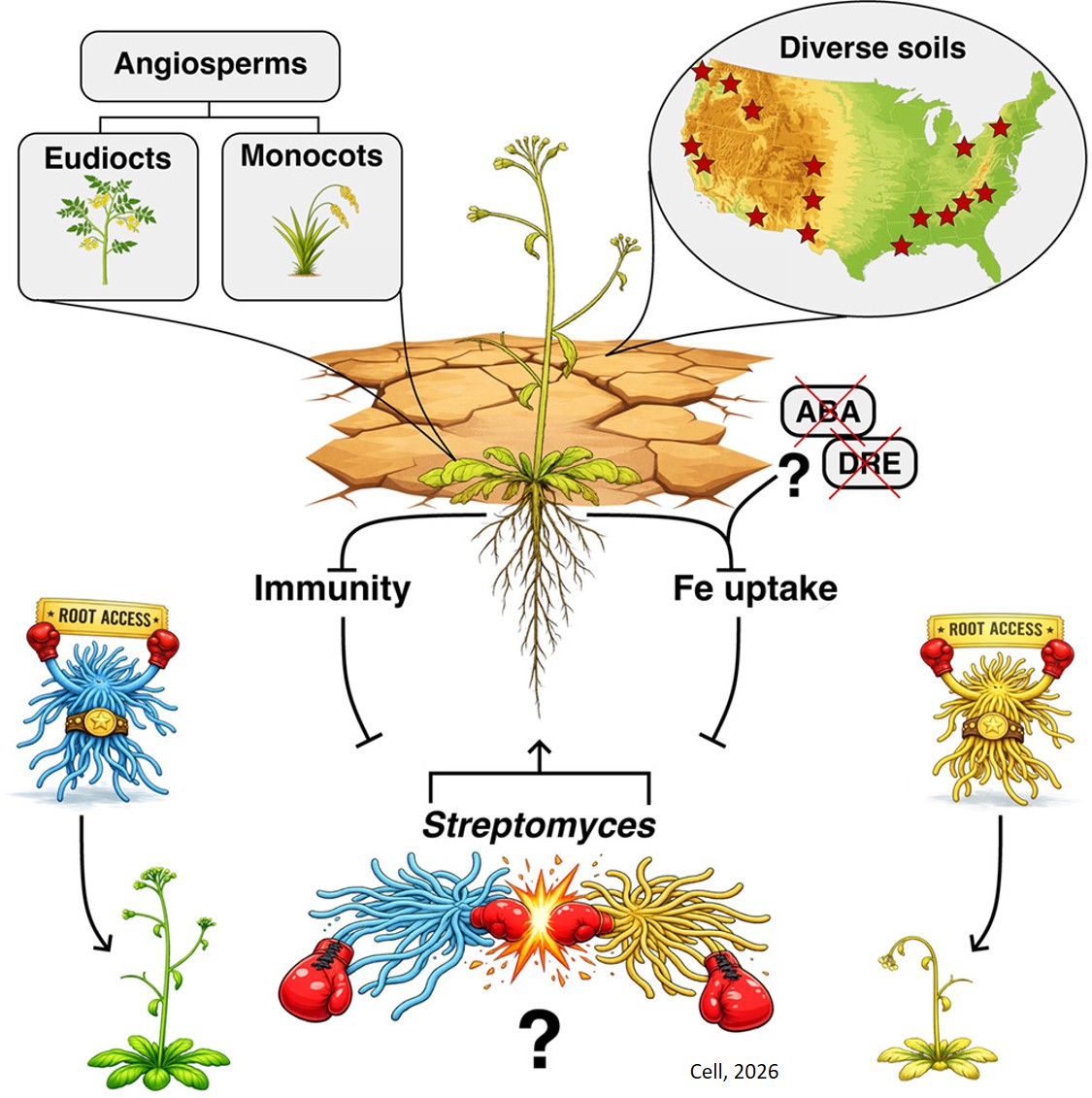
The study, published in the journal Cell, questions whether plants send out a "cry for help" when they are stressed by drought to recruit beneficial soil microbes (e.g., bacteria and fungi) in their roots.
“We found that this shift is the result of specific changes to plant roots,” says the lead author on the study. “It happens because plants, under drought stress, dial down both their immune systems and their iron uptake machinery.”
The lead says that allows a particular group of bacteria, called Streptomyces, to thrive — but it doesn’t automatically mean healthier plants. Some Streptomyces strains help, the author explains, while others interfere.
“Together, this leads to a new way of thinking about plant-microbe interactions during drought,” the author says. “Drought doesn’t just stress plants. It fundamentally rewires how they manage nutrients and interact with the microbial world around them.”
The author says the research is important for plant biology, but also provides insight into global food security and human nutrition.
“Iron deficiency is already one of the most widespread nutritional disorders in the world, affecting billions of people,” the author says. “Much of the iron in human diets comes from plants such as cereals and legumes.
“At the same time, drought is increasing in frequency and severity across many agricultural regions due to climate change.”
“It means drought may not only reduce crop yield, but also reduce the nutritional quality of crops by limiting iron in edible tissues," the author says.
The author says the research team found the reduction in iron uptake as they were trying to understand microbial enrichment in plant roots.
“We experimentally manipulated drought stress and iron availability to get at the mechanism,” the author explains.
The team initially used a model organism, Arabidopsis thaliana, known as the fruit fly of the plant world, and later demonstrated it across a wide variety of plants.
“We’ve shown this for rice, we’ve shown this for tomato and, more recently, we’ve shown this for canola,” the author says.
The research opens the door to creating probiotic soil treatments or ways of breeding crops that sustain iron uptake during a drought, the author adds.