

Opposing functions of distinct regulatory T cell subsets in colorectal cancer
In most solid tumors, high numbers of regulatory T (Treg) cells are associated with poorer outcomes because they dampen the immune system’s ability to fight against a tumor.
Colorectal cancer, however, is a puzzling exception. A high density of Treg cells in colorectal tumors is actually associated better survival — though scientists haven’t been sure why.
Now a new study by researchers offers an answer to this mystery — one that could help improve immunotherapy treatment for the majority of patients with colorectal cancer, and potentially for other cancers that affect tissues such as the skin and the lining of the stomach, mouth, and throat.
The research team discovered that it’s not just the number of Treg cells that’s important, but what type they are, according to findings published in Immunity, a leading immunology journal.
“Instead of the regulatory T cells promoting tumor growth, as they do in most cancers, in colorectal cancer we discovered there are actually two distinct subtypes of Treg cells that play opposing roles — one restrains tumor growth, while the other fuels it,” says a co-senior author of the study. “It’s these beneficial Treg cells that make the difference, and this underscores the need for selective approaches.”
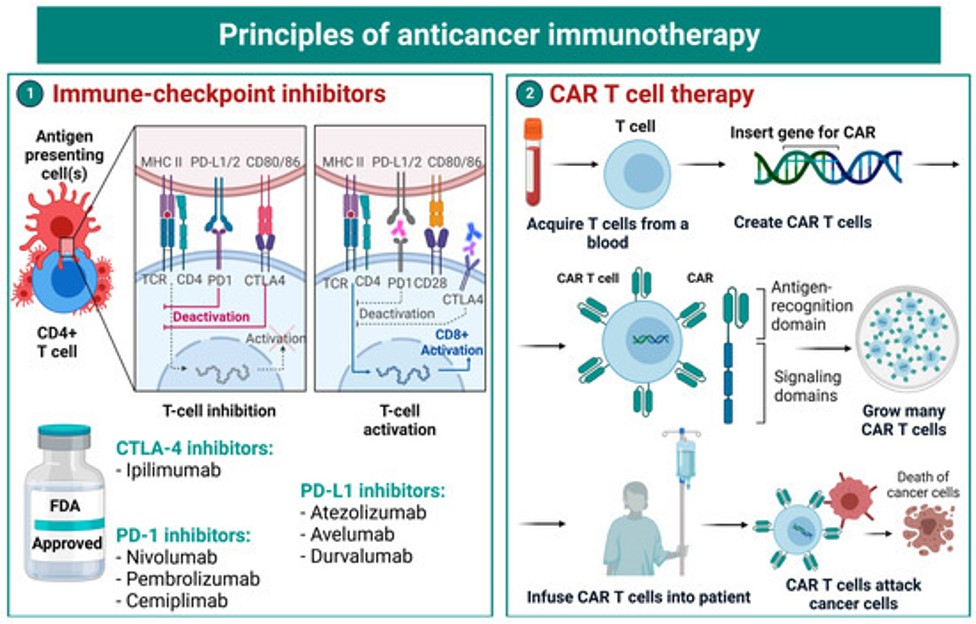
For this study, the researchers focused on a type of colorectal cancer that accounts for 80% to 85% of all colorectal cancers — microsatellite stable (MSS) with proficient mismatch repair (MMRp), meaning the tumors’ DNA is relatively stable. These cancers are largely resistant to checkpoint inhibitor immunotherapies.
Previous groundbreaking research found checkpoint inhibitors alone could successfully treat rectal cancer and several other cancers with the opposite tumor type — those with high microsatellite instability (MSI-H) and mismatch repair deficiency (MMRd). This allows doctors to spare many patients from surgery, chemotherapy, and radiation.
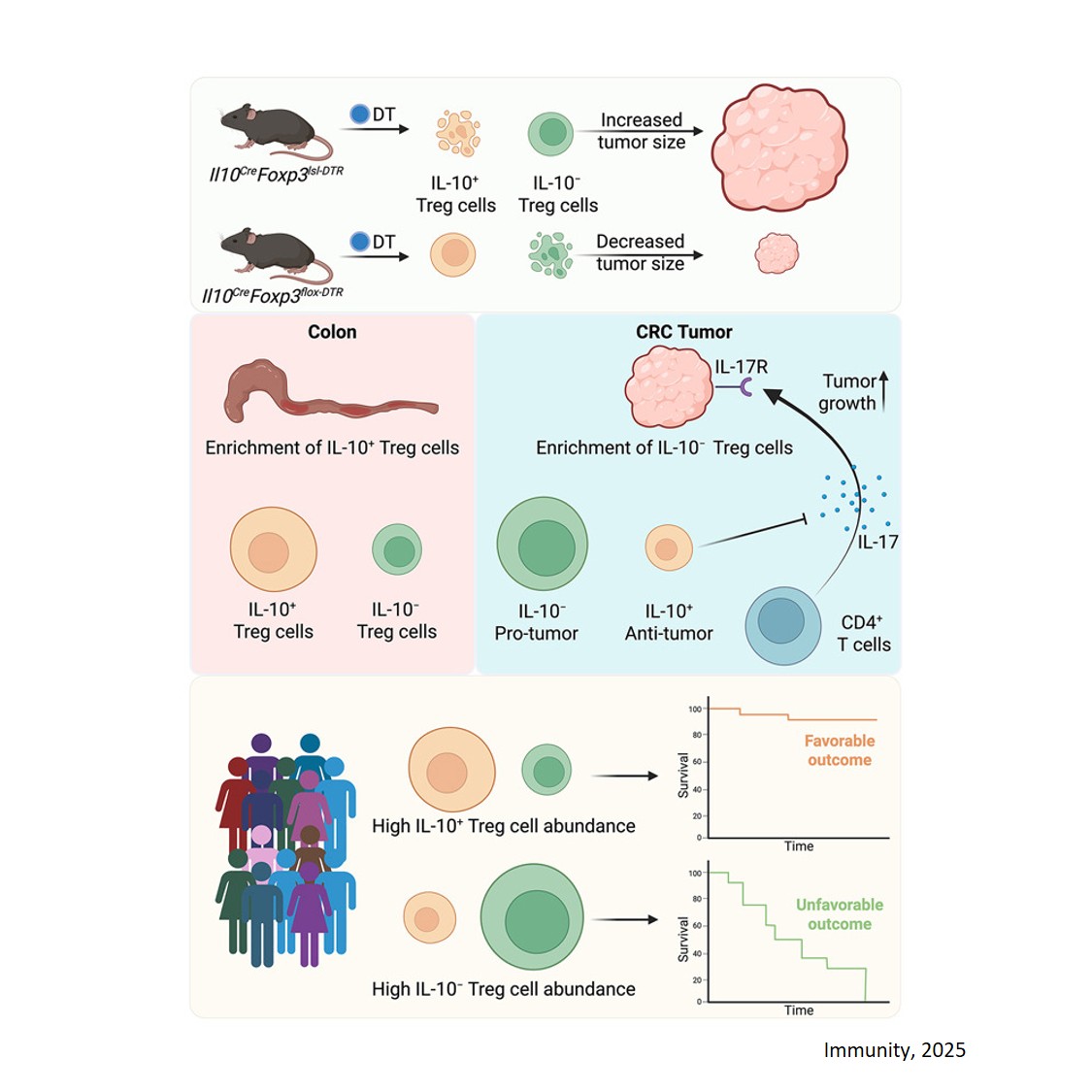
Here the team employed an mouse model that accurately recreates the common mutations, behaviors, and immune cell composition of human colorectal cancer. They found that the regulatory T cells associated with the cancer are split between two types: Cells that make a signaling molecule (cytokine) called interleukin‑10 (IL-10) and cells that don’t.
Through a series of sophisticated experiments that selectively eliminated each type of cell, the researchers discovered:
· IL-10-positive Tregs help hold tumor growth in check. They work by dampening the activity of a different type of T cell, called Th17 cells — these produce interleukin 17 (IL-17), which acts as a growth factor for the tumor. They’re more abundant in healthy tissue adjacent to a tumor.
When IL-10-positive cells were removed, tumor growth accelerated.
· IL-10-negative Tregs, on the other hand, suppress immune defenders — especially CD8+ T cells with strong anti-cancer capabilities. This subtype of Tregs is largely found within the tumor itself.
When IL-10-negative cells were removed, the tumors shrank.
The researchers validated their laboratory findings using samples from people with colorectal tumors. Here, too, they found two distinct populations of IL-10-positive and IL-10-negative cells. And, in an analysis of outcomes in more than 100 colorectal cancer patients, those with more of the “good” IL-10-positive Tregs lived longer, while those with more “bad” IL-10-negative cells fared worse.
The research does point to a potential opportunity to improve outcomes for the majority of colorectal cancer patients, says the author.
The IL-10-negative cells — the immunosuppressive ones primarily found in tumors — express high levels of a protein called CCR8, the team found.
Previous research found high levels of CCR8 displayed by tumor Treg cells in breast cancer and many other types of human cancer. Those findings suggested that harmful Treg cells might be selectively targeted with antibodies — depleting them and opening the tumor up to attack by other immune cells, while sparing helpful Treg cells.
“This idea of using CCR8-depleting antibodies, which was pioneered at MSK, is the main target of global efforts to bring regulatory T cell–based immunotherapy to the clinic,” the author says.
Numerous clinical trials are underway at MSK and elsewhere to test the approach as a standalone treatment and in combination with other immunotherapies.
The new study adds evidence of the strategy’s potential against colorectal cancer and perhaps other cancers as well.
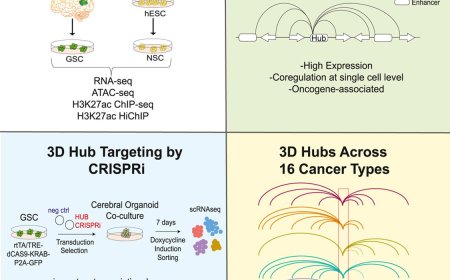
Looking beyond colorectal cancer, the researchers searched for similar divisions between IL-10-positive and IL-10-negative cells in a large dataset of T cells spanning 16 different cancer types — and found them in several other cancers that affect the skin and the lining of the mouth, throat, and stomach.
“What these tissues have in common is that immune cells play a critical role in constantly defending and repairing them as they’re exposed to microbes and environmental stresses,” says another author.
Approaches that selectively target IL-10-negative cells in colorectal cancer might also be effective against these other barrier-tissue cancers, the researchers say.
Interestingly, a different pattern emerged when the team looked at colorectal cancer that had spread to the liver.
Here, IL-10-negative cells far outnumbered their positive, helpful counterparts. As a result, in contrast to primary tumors, removing all Treg cells led to shrinkage of metastasized tumors. This finding points to a need for tissue- and context-specific therapeutic strategies in colorectal cancer, the researchers say.
https://www.cell.com/immunity/fulltext/S1074-7613(25)00516-3