

A high-fat diet affects tumor-to-nerve signaling and promotes cachexia
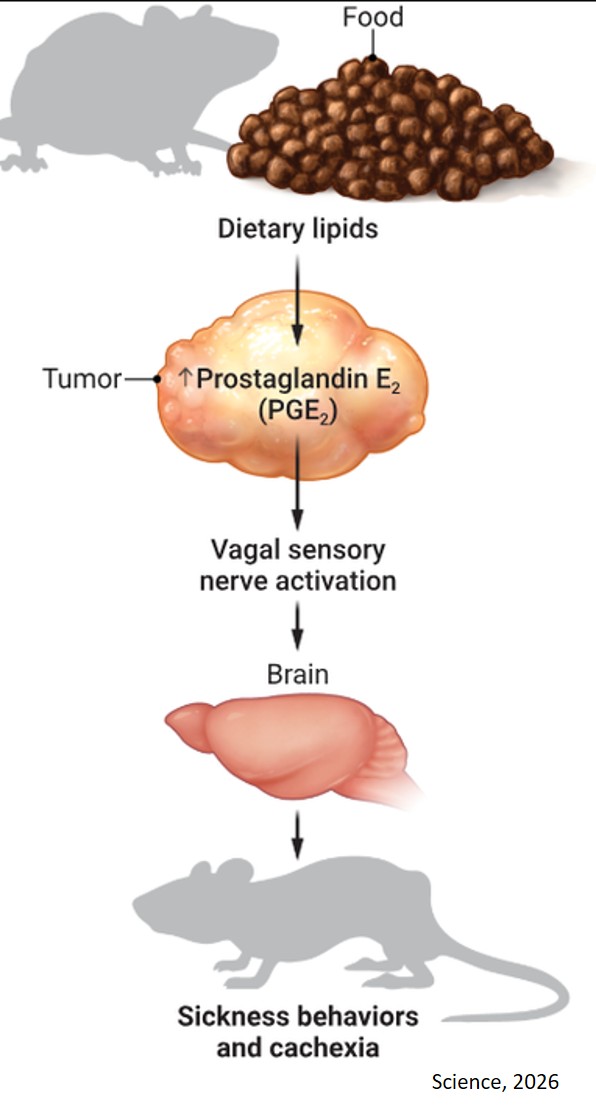
Researchers have uncovered a previously unrecognized pathway linking lung tumor genetics, diet, and the nervous system that drives cancer-associated cachexia, according to a new study in mice. The findings suggest that this newly identified tumor-to-nerve signaling pathway could present a potential therapeutic target for the condition.
Cancer-associated cachexia (CAC) is a debilitating syndrome in which cancer patients experience severe, involuntary weight loss and muscle wasting, along with reduced appetite. The condition greatly worsens quality of life, limits patients’ ability to tolerate treatment, and can reduce overall survival. However, there are currently no effective therapies to treat CAC.
Although research has identified tumor-derived molecules that promote cachexia, the roles of specific cancer-causing mutations and dietary factors in driving the disease remain poorly understood.
Using genetically modified mouse models, the researchers examined how common genetic mutations in lung cancer interact with diet to influence cachexia.
The authors compared tumors with different genetic alterations, examined the effects of a high-fat, high-calorie diet, analyzed prostaglandin E2 (PGE2) signaling, and tested genetic, dietary, pharmacological, and nerve-targeting interventions to determine how cachexia develops.
They found that mice with lung tumors bearing mutations in the tumor-suppressing gene serine/threonine kinase 11 (Lkb1) developed CAC. Notably, feeding these mice a high-fat diet to rescue cachexia instead made the condition substantially worse by sharply reducing their food and water intake as well as physical activity. The diet also accelerated mortality, even without increasing tumor burden.
The authors discovered that the inflammatory molecule prostaglandin E2 (PGE2) was a key driver of this effect. According to the findings, Lkb1-mutant tumors produced elevated levels of PGE2, and a high-fat diet further increased its production.
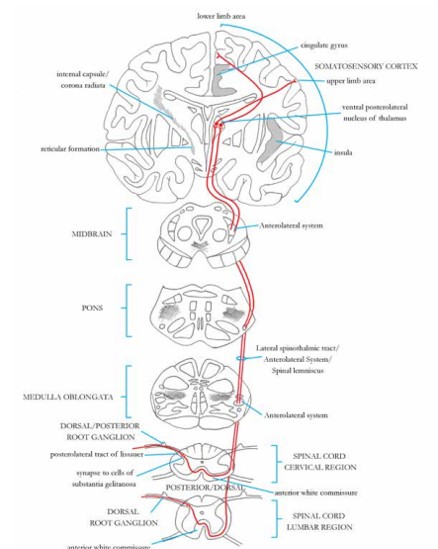
Blocking PGE2 synthesis, either genetically or with drugs, restored appetite and improved survival. Moreover, the authors found that disrupting lung sensory nerve signaling prevented PGE2-dependent cachexia, indicating that local tumor signals transmitted through sensory nerves to the brain can contribute to CAC.