

AI can speed antibody design
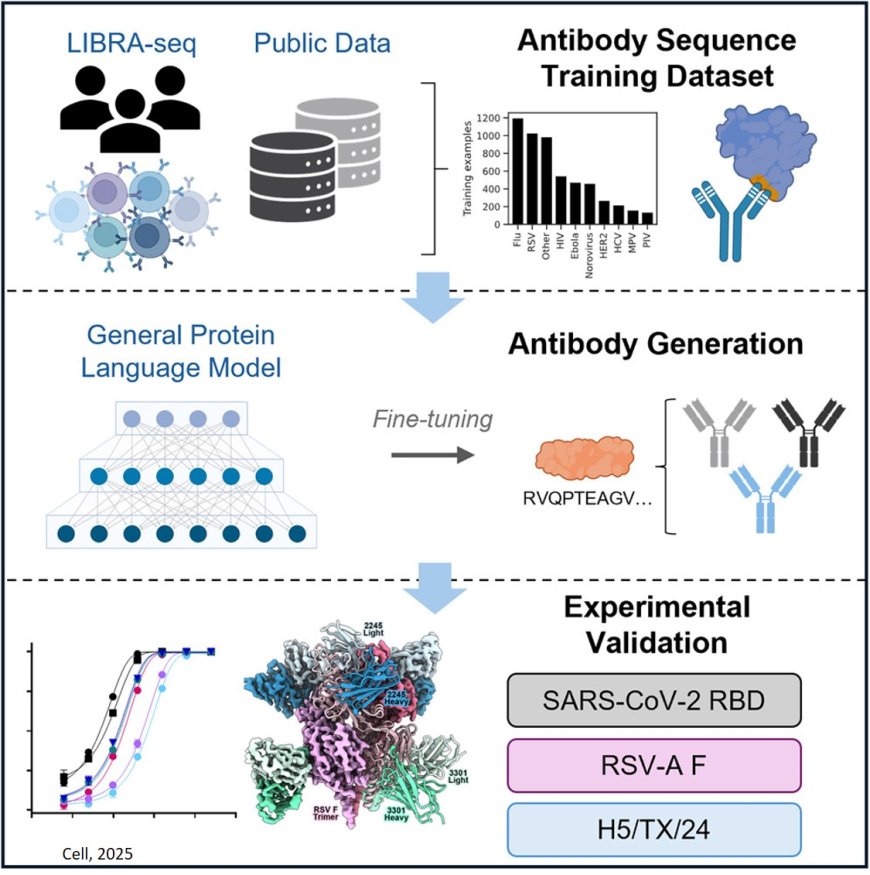
Artificial intelligence (AI) and “protein language” models can speed the design of monoclonal antibodies that prevent or reduce the severity of potentially life-threatening viral infections, according to a multi-institutional study.
While their report, published in the journal Cell, focused on development of antibody therapeutics against existing and emerging viral threats, including RSV (respiratory syncytial virus) and avian influenza viruses, the implications of the research are much broader, said the paper’s corresponding author.
“This study is an important early milestone toward our ultimate goal — using computers to efficiently and effectively design novel biologics from scratch and translate them into the clinic,” said the author.
“Such approaches will have significant positive impact on public health and can be applied to a broad range of diseases, including cancer, autoimmunity, neurological diseases, and many others,” the author said.
The research team, which included scientists from around the country showed that a protein language model could design functional human antibodies that recognized the unique antigen sequencies (surface proteins) of specific viruses, without requiring part of the antibody sequence as a starting template.
Protein language models are a type of large language model (LLM), which is trained on huge amounts of text to enable language processing and generation. LLMs provide the core capabilities of chatbots such as ChatGPT.
By training their protein language model MAGE (Monoclonal Antibody Generator) on previously characterized antibodies against a known strain of the H5N1 influenza (bird flu) virus, the researchers were able to generate antibodies against a related, but unseen, influenza strain.
These findings suggest that MAGE “could be used to generate antibodies against an emerging health threat more rapidly than traditional antibody discovery methods,” which require blood samples from infected individuals or antigen protein from the novel virus, the researchers concluded.