

Leveraging COVID-19 immune memory into a weapon against cancer
In a discovery that could redefine the future of cancer immunotherapy, scientists have developed a novel cancer vaccine platform that transforms the impact of the largest immunological event in modern history – a synchronized mass immune memory generated through SARS-CoV-2 infection and vaccination – into a powerful ally against cancer.
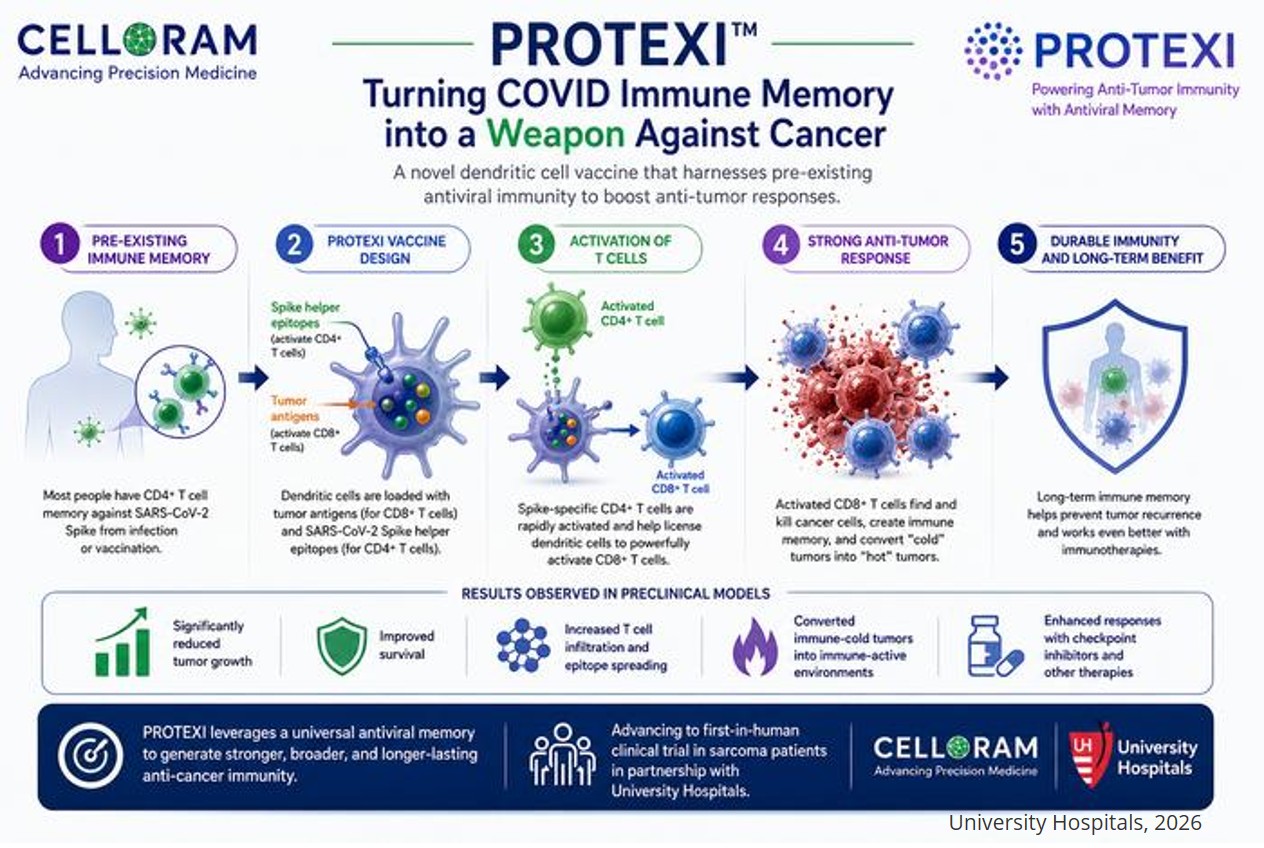
Published in Nature Communications, the study introduces PROTEXI, an innovative dendritic cell vaccine platform designed to harness pre-existing antiviral immune memory to amplify the body's natural ability to recognize and destroy tumors.
The findings suggest a fundamentally new approach to cancer vaccine design: rather than building entirely new immune responses from scratch, clinicians may be able to redirect immune memories already present in billions of people toward fighting cancer.
Cancer vaccines have long held tremendous promise, yet many have struggled to generate sufficiently robust and durable immune responses, particularly in so-called "immune-cold" tumors that evade immune recognition and remain resistant to existing therapies.
PROTEXI was specifically designed to overcome this challenge.
By pairing tumor-specific antigens with helper signals derived from SARS-CoV-2 Spike protein epitopes (small Spike protein fragments recognized by immune systems primed through prior infection or vaccination), PROTEXI converts dormant antiviral memory into a catalyst for antitumor immunity.
In multiple preclinical models of melanoma and breast cancer, PROTEXI slowed tumor growth, improved survival, and transformed tumors that typically evade the immune system into ones that could be more effectively recognized and attacked. The vaccine strengthened the body's natural cancer-fighting defenses, generated long-lasting immune memory that may help prevent recurrence, and worked even better when combined with other immunotherapies. Importantly, its effectiveness was also demonstrated in humanized mouse models using immune cells from COVID-19-vaccinated donors.
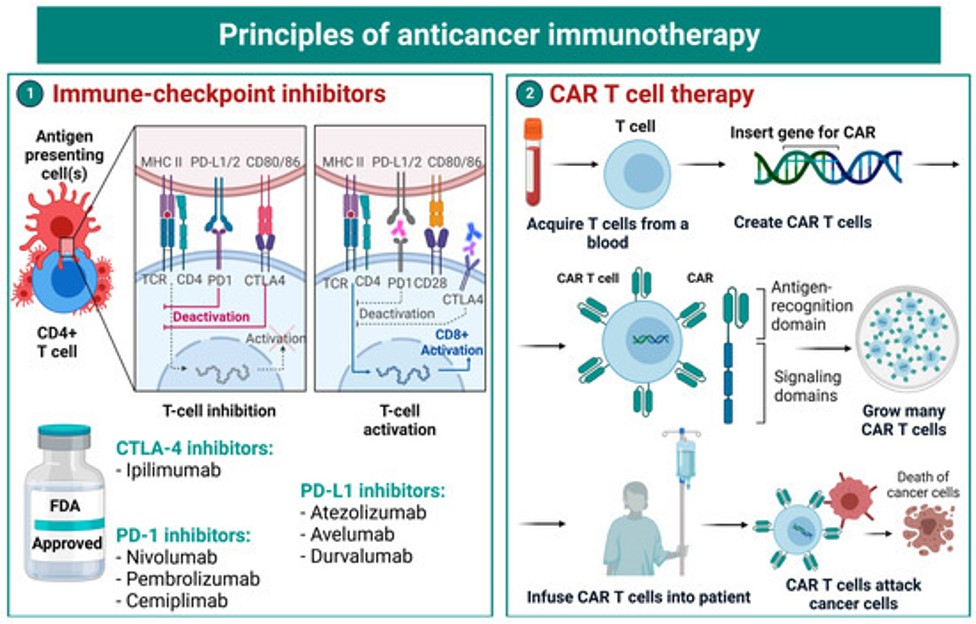
The study showed that PROTEXI leverages pre-existing antiviral CD4⁺ helper T-cell immunity to strengthen tumor-specific CD8⁺ cytotoxic T-cell responses and generate durable antitumor memory, representing a significant advance over conventional dendritic cell vaccines. The platform significantly reduced tumor burden and improved survival in multiple preclinical models.
"Rather than inventing a completely new immune response, we are enhancing the ability of the immune system to recognize cancer by leveraging anti-viral memories it already has," said the Chief Executive Officer of Celloram Inc.
"We sought to answer a fundamental question: could the immune system's memory of a viral threat be repurposed to recognize and eliminate cancer more effectively?" said the corresponding author.
"The preclinical data exceeded our expectations. PROTEXI not only enhanced tumor-specific immune responses but also reshaped the tumor microenvironment, expanded immune memory, and improved responses in models resistant to current therapies. We believe this strategy has the potential to redefine how future cancer vaccines are designed."
"For decades, researchers have recognized the importance of helper T cells in generating durable antitumor immunity, yet identifying clinically useful helper signals has remained a major challenge," said the senior corresponding author.
Building on these findings, the authors are advancing the PROTEXI platform toward a first-in-human clinical trial in patients with sarcoma. The planned study will evaluate the safety, feasibility, and immunologic activity of this personalized dendritic cell vaccine approach and represents an important step toward translating this discovery from the laboratory into a potential treatment for patients facing cancers with limited therapeutic options.
While additional clinical studies are necessary, the investigators believe these results establish a compelling scientific foundation for a new generation of cancer vaccines capable of transforming the immune system's existing memories into precision therapies.