

Engineered immune cells reduce plaques in Alzheimer’s disease
Can a cancer therapy that transformed the treatment of blood malignancies also offer new possibilities for Alzheimer’s disease?
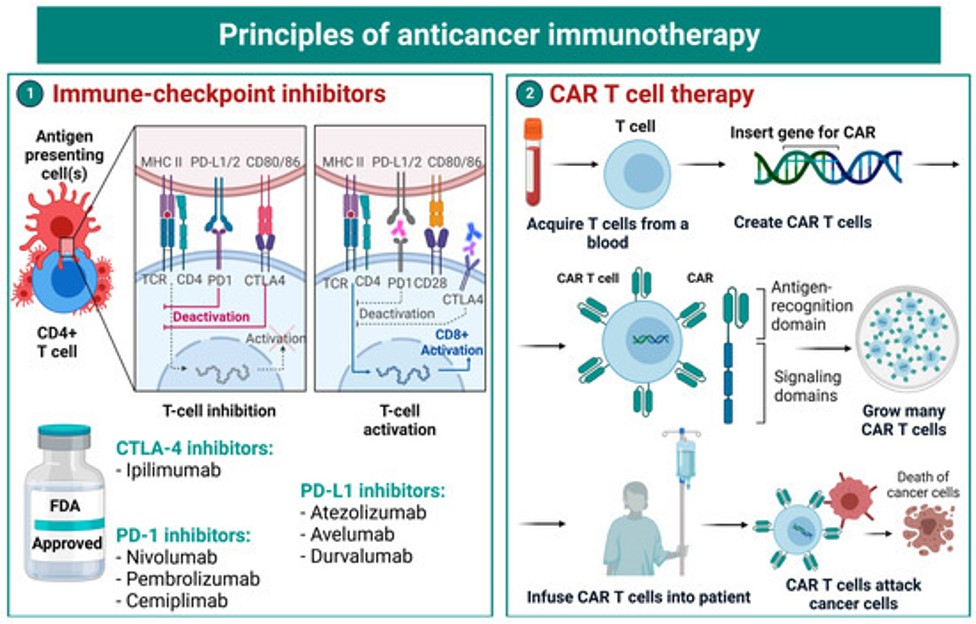
In a new study published in the Proceedings of the National Academy of Sciences (PNAS), an international research team presents the first use of CAR-T in the treatment of Alzheimer’s disease. The therapy produced promising results in a mouse model of Alzheimer’s, potentially paving the way for treating Alzheimer’s and other neurodegenerative disorders.
As the world’s population ages, neurodegenerative diseases – including Alzheimer’s – are becoming an increasingly serious public-health challenge. The effectiveness of existing treatments, including those approved in recent years, has yet to be firmly established, and there is an urgent need for new therapeutic approaches. One of the central hallmarks of Alzheimer’s disease is the accumulation of amyloid-beta protein plaques in the brain, accompanied by signs of inflammation in brain tissue.
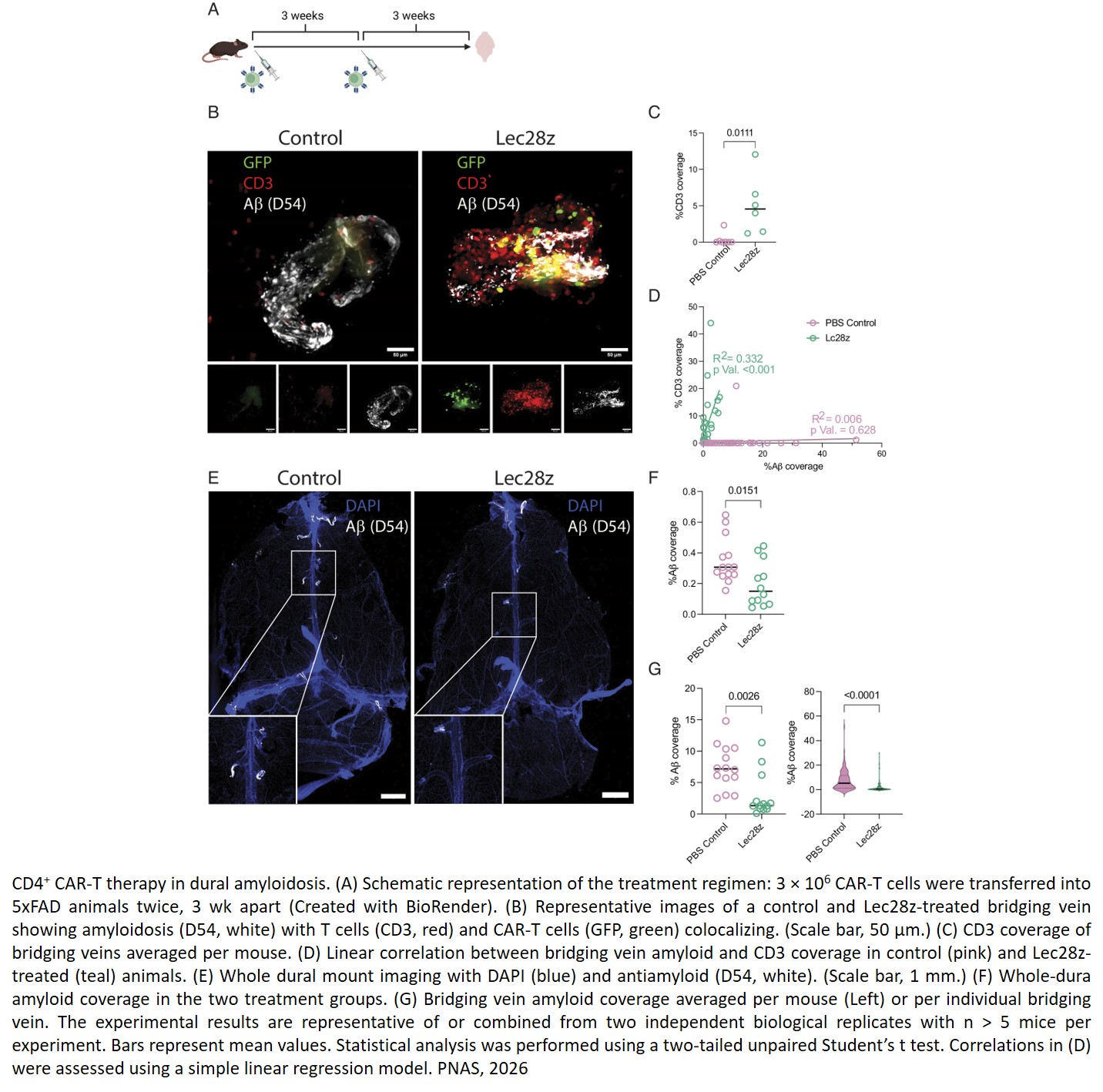
The research team isolated T cells from the immune system of healthy mice and genetically engineered them to recognize and respond to amyloid proteins in the brain. The researchers then injected these engineered cells into mice whose brains already contained amyloid-beta plaques characteristic of Alzheimer’s disease. The injections led to a significant reduction in amyloid deposits, as well as a decrease in markers of brain-tissue inflammation.
“We report the first CAR-T cell approach for a neurodegenerative disease,” said the lead author. “It represents an exciting step toward finding novel therapies for Alzheimer’s disease. Equally exciting is the prospect of adapting these versatile cells to deliver therapeutic agents for different neurodegenerative diseases beyond Alzheimer’s, including amyotrophic lateral sclerosis (ALS) and Parkinson’s disease.”
“In future studies, we expect to demonstrate the use of engineered T cells also in enhancing recovery from severe brain damage and in promoting regeneration of brain tissue,” the senior author reveals. “Such future findings promise to bolster the notion that CAR-T technology can serve as a broad therapeutic platform for brain diseases – from cancerous tumors to stroke and chronic neurodegenerative diseases.”
https://www.pnas.org/doi/10.1073/pnas.2530977123
https://sciencemission.com/CD4-T-cells-for-Alzheimer%E2%80%99s-disease