

Garlic kills mosquitoes’ mood too!
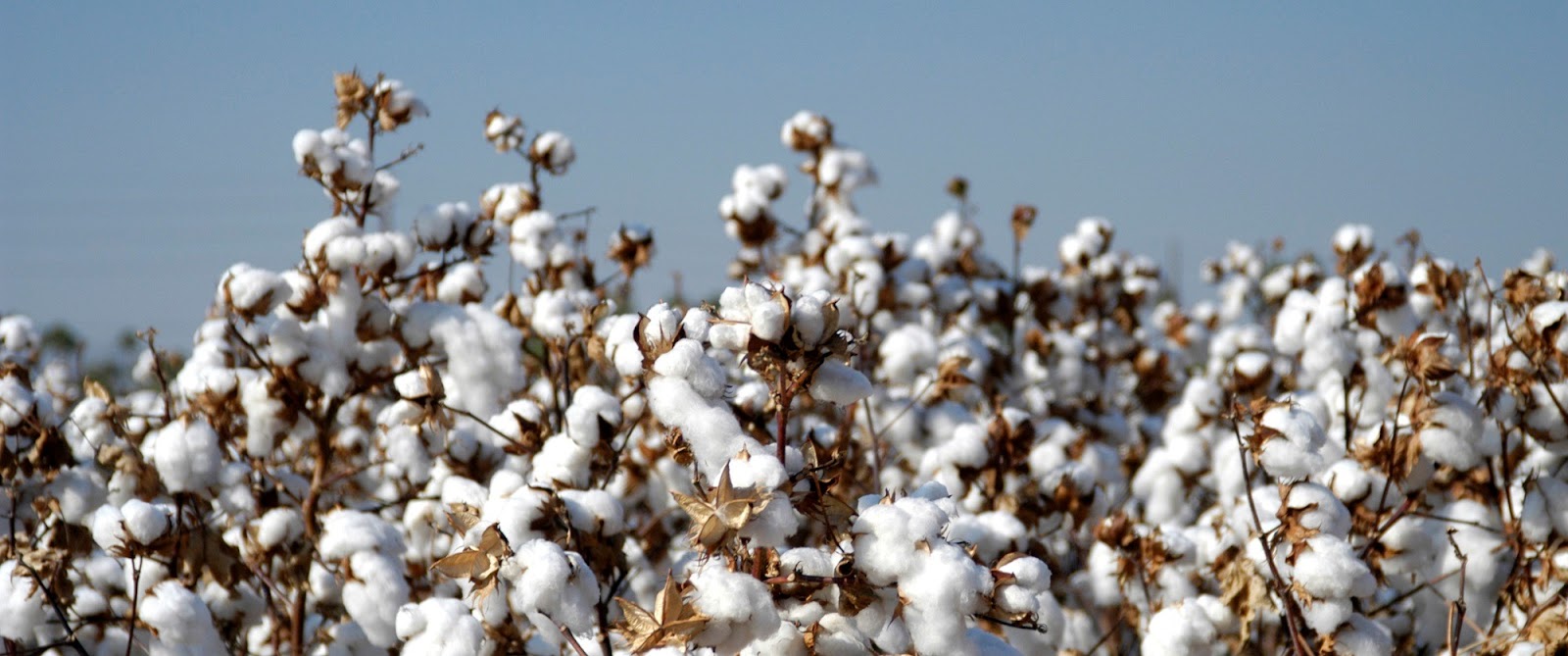
Garlic is not a substance that most people consider an aphrodisiac. It turns out that mosquitoes agree.
In fact, a new study finds that garlic also functions as a de facto birth control for mosquitoes and other winged insects, an insight that could lead to eco-friendly pest control strategies.
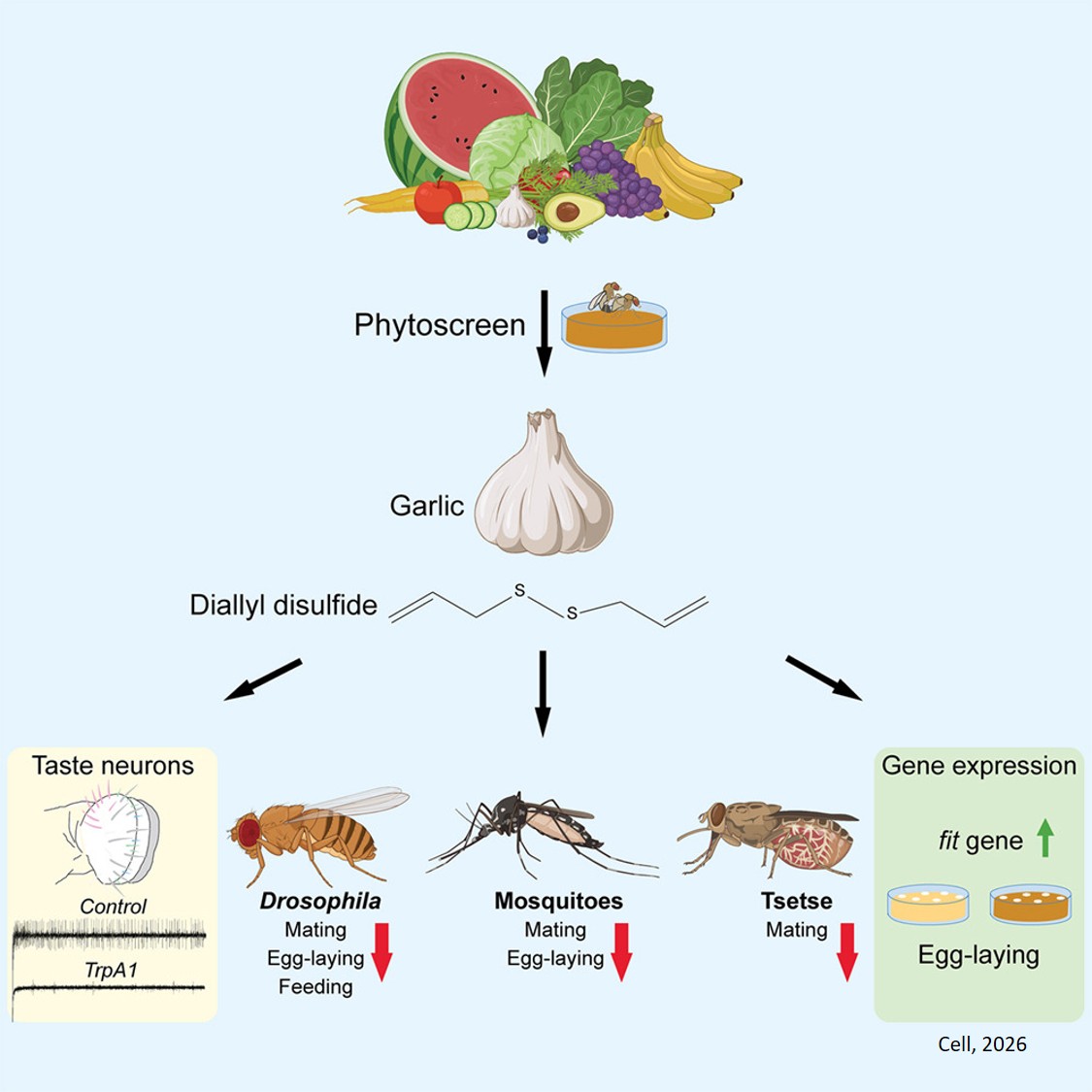
According to research by the lab, the presence of garlic blocks mating in mosquitoes and a variety of fly species. It’s not the pungent odor that’s a turnoff for these pests, the researchers found, but the taste. And the reason lies in a receptor inside their teeny taste organs. The findings are published in the journal Cell.
“We study flies, including harmless ones like the fruit fly, to try to discover new ways of controlling species that pose danger to humans either by spreading disease or damaging crops,” said the senior author. “In this study, we started with fruit flies and then moved on to other species. And to our surprise, we found a natural compound in garlic that shuts down the mating process in these flies.”
Their method of finding this compound, which they call a “phytoscreen,” could spur new pest control strategies that are environmentally friendly, widely available, and inexpensive. Phyto is Greek for “plant.”
The lab that studies receptors and neural circuits that drive reproductive behaviors in insects, and they use fruit flies as a model organism. The authors had the idea that since fruit flies normally mate on fruits, maybe there’s something in fruits or vegetables that acts as an aphrodisiac and stimulates their mating. So, they went to the supermarket and bought 43 different fruits and vegetables and made purées from each and put them in Petri dishes for the flies to sample. It was a sort of fruit fly buffet.
The authors were thinking that at least one of these fruits would produce a big elevation in mating — that it would act as a sort of aphrodisiac. But none of them did. The startling result was that garlic abolished mating completely. It blocked egg-laying, too.
The authors wondered that, too. So they cleverly placed the garlic purée in a way in which flies could smell it but not taste it, or alternatively in a way that flies could both smell and taste it. It turned out that the taste was the turn-off.
They went to a different grocery store to get the same 43 fruits and vegetables and then ran the test again. And they had the exact same result with different bulbs of garlic. Garlic caused a 100% inhibition of mating. We then tested other flies, including tsetse flies, and had similar results.
The researchers separated the chemical compounds in the garlic purée and found that one chemical, diallyl disulfide, is the culprit. It prohibits both mating and egg-laying. They were happy to discover that diallyl disulfide is already used in all sorts of culinary products. It’s used in food flavorings and as a component in various nutritional and dietary supplements.
The authors found that a sensory receptor in the fly’s taste organs called TrpA1 detects the compound and triggers avoidance behaviors in the flies. This makes sense because TrpA1 can act as a kind of taste receptor. They also found that the garlic activates certain bitter-sensing neurons that have TrpA1 and changes the expression of genes, including one that’s linked to feelings of satiety. It mostly impacted the female fly.
Interestingly, it didn’t work at all on wasps, which puzzled us until it was found that wasps don’t have TrpA1 receptors..