


A next-generation HDAC6 inhibitor for ALS treatment
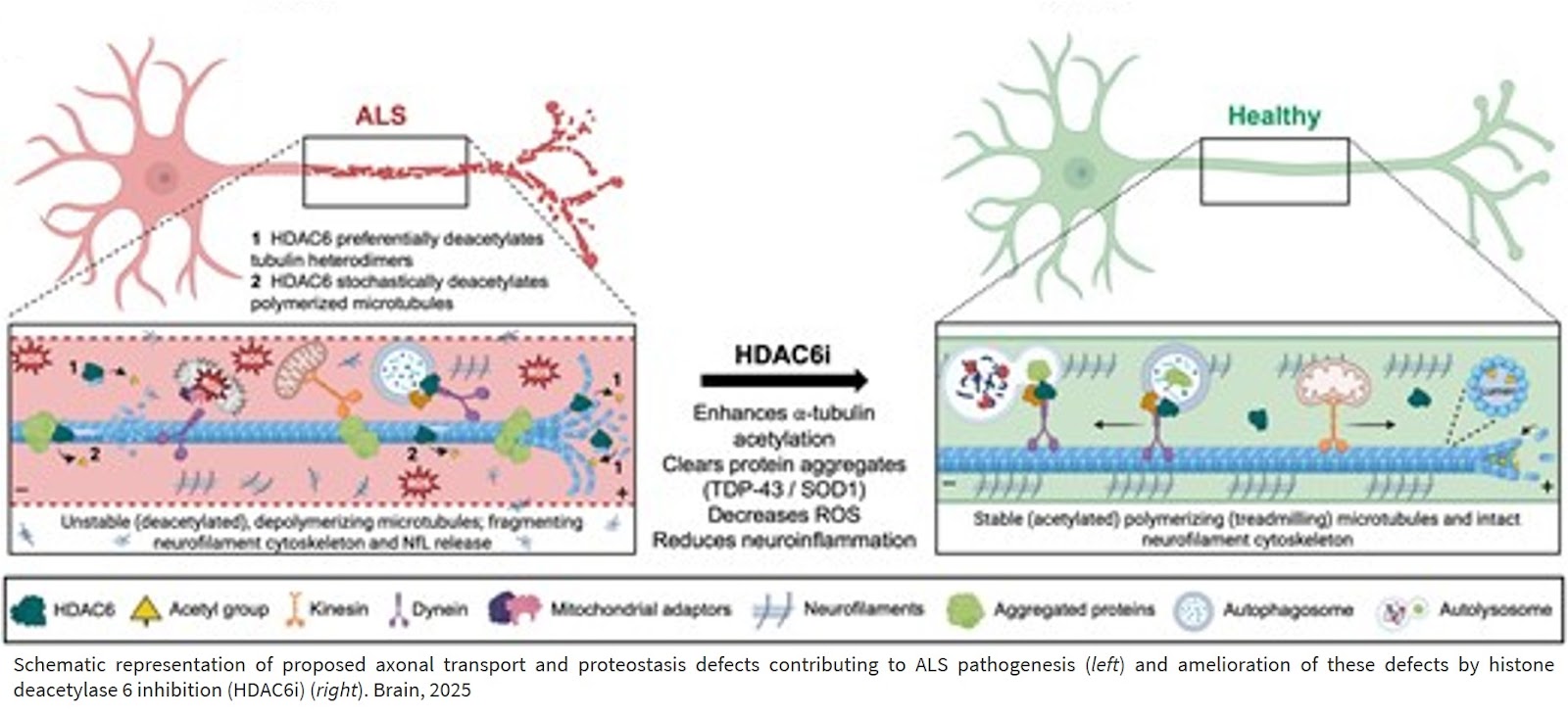
Abnormal protein transport and degradation has been linked to neurodegenerative diseases.
Histone deacetylase 6 (HDAC6), deacetylates tubulin heterodimers and polymerized microtubules. In ALS, HDAC6-mediated α-tubulin deacetylation renders microtubules less resilient to mechanical breakage and reduces motor protein binding, impairing axonal transport.
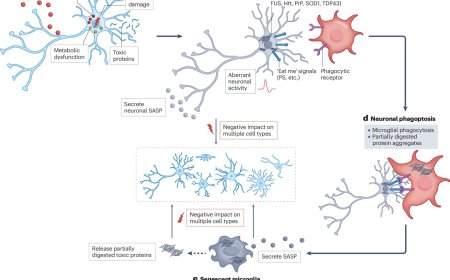
Accumulation of toxic protein aggregates in ALS further impairs axonal transport, and defects in axonal transport impede clearance of damaged mitochondria and misfolded toxic proteins, exacerbating the accumulation of toxic protein aggregates and leading to oxidative stress, including reactive oxygen species (ROS).
The researchers generated a next-generation small molecule HDAC6 inhibitor, EKZ-438, which shows high selectivity for HDAC6 and nanomolar potency (12nM) and CNS-penetrance.
The authors demonstrate that EKZ-438 enhances α-tubulin (K40) acetylation, which improves microtubule resilience and motor protein binding to microtubules and facilitates autophagic clearance of misfolded proteins and damaged mitochondria, ultimately decreasing ROS and neuroinflammation and improving neuron survival.