



Immune system is already active before birth
Neutrophils are white blood cells that form part of the body's first line of defence. Researchers have now demonstrated for the first time that neutrophils are found in many tissues during embryonic development, and that they can perform the same functions as adult neutrophils. The findings warrant further study on the role of embryonic neutrophils in tissue development and in responding to infections in fetuses and newborns.
Neutrophils are part of innate immune defence. When inflammation occurs, they rapidly migrate from the bloodstream into tissues to eliminate harmful microbes. Their role is well understood in adults, but remarkably little is known about embryonic neutrophils.
During their studies, the researchers discovered that there were large populations of neutrophils in several developing embryonic tissues.
“We were immediately intrigued. What is the role of these defence cells when the embryo is still safely inside the uterus? The uterus provides an almost sterile environment where there should not yet be any need for rapid defence cells,” says the lead author.
The researchers then used single-cell RNA sequencing, which revealed that embryonic and adult neutrophils differed slightly in their gene expression, although their major developmental stages proved to be similar.
“Embryonic neutrophils were able to perform immune functions typical to adult neutrophils, such as ingesting particles, producing toxic oxygen compounds, and forming web-like structures that trap pathogens outside the cell. Embryonic neutrophils are therefore not merely dormant developing cells, but functionally mature cells,” says another author.
According to the author, one of the most interesting findings of the study is the distribution of neutrophils in developing tissues. As many of the cells are located outside of the blood vessels, they are in direct contact with the developing tissue cells.
“This suggests that embryonic neutrophils may have functions related to tissue development and homeostasis in addition to those related to immune defence,” says the author.
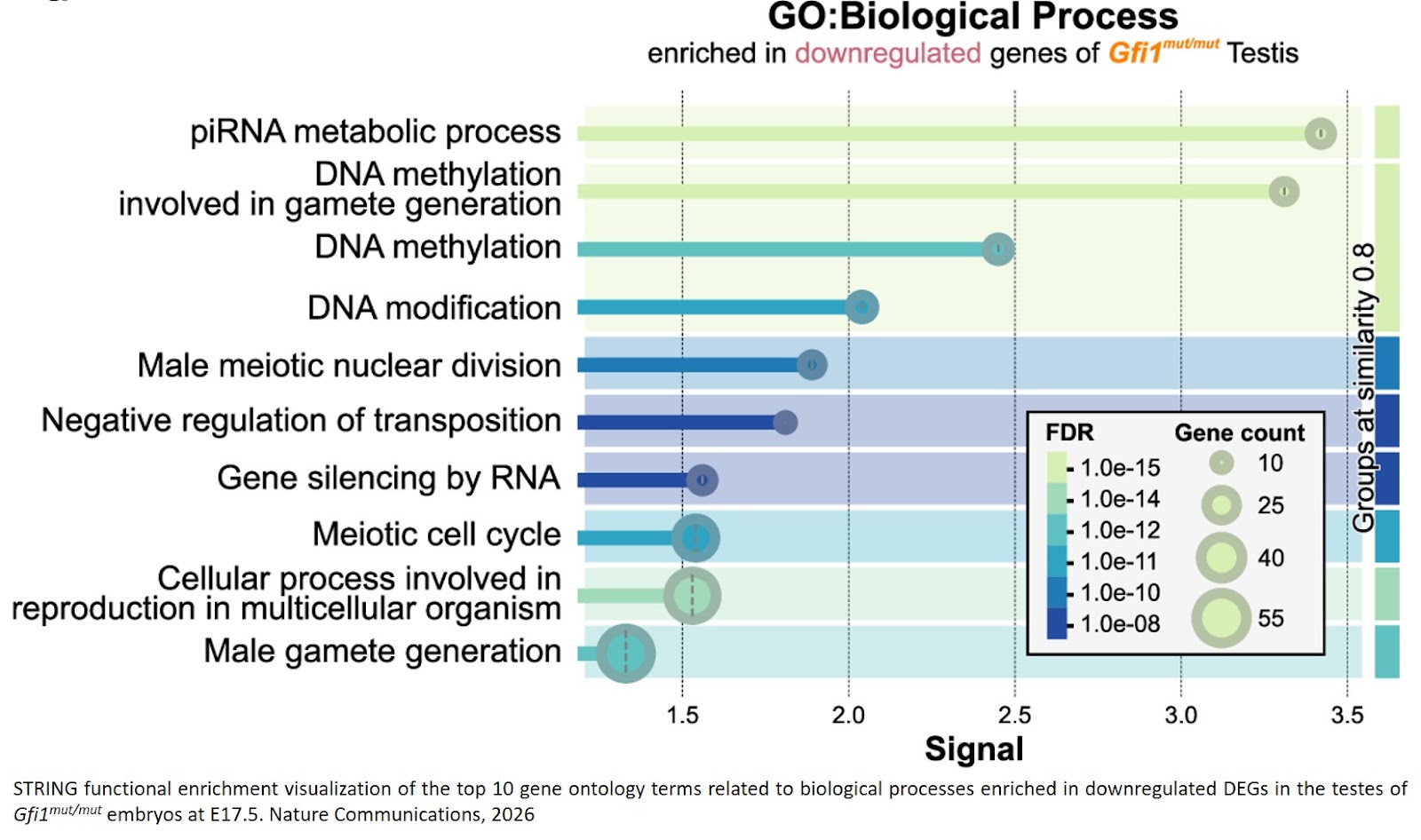
The authors also show that embryonic neutrophils proliferate actively, have a high glycolytic capacity, and undergo partial diurnal rhythmicity. Embryonic neutrophils display lineage-specific innate immune effector functions and are responsive to maternal immunostimulation and immunosuppression. They also discovered that neutrophils may impact homeostatic processes in the testis.
“Our findings from experimental models show that neutrophils play a much more active role in developing tissues than was previously thought. Embryonic neutrophils are a functionally competent cell population adapted to a specific stage of development, rather than just immature versions of adult immune cells,” concludes another author.
If neutrophils are also found in human tissues during embryonic development, these findings could contribute to future treatments for prenatal and perinatal infections and inflammatory diseases.
The study was published in the journal Nature Communications.
https://www.nature.com/articles/s41467-026-75410-0