

Metabolic costs and trade-offs of hypermetabolism in human motor neurons

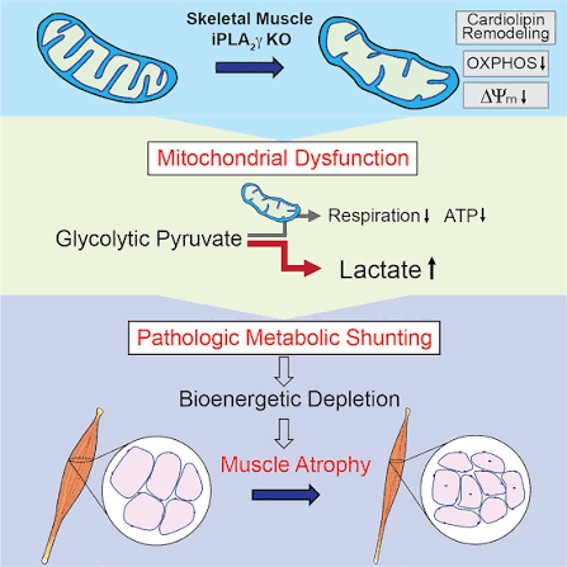
Deficiencies in mitochondrial oxidative phosphorylation may lead to hyper metabolism as an adaptive response. Neurons with mtDNA mutations are hypermetabolic: they burn ~35% more energy than cells with normal mitochondria.
The researchers studied the consequences of hypermetabolism in human motor neurons harboring a heteroplasmic mutation in MT-ATP6, which impairs ATP synthase assembly. This results in elevated ATP production rates and were accompanied with increased demand for acetyl-Coenzyme A (acetyl-CoA) and depleted pantothenate (vitamin B5), and the proteome was remodeled to support the metabolic adaptation.
The authors also observed decreased histone acetylation and altered maintenance of the neurotransmitter acetylcholine, revealing potential vulnerabilities in motor neurons in hypermetabolism state.
Thus, mitochondrial defects decrease cellular energy efficiency, increasing the cost of living.