


Metabolic vulnerability identified in small cell lung cancer
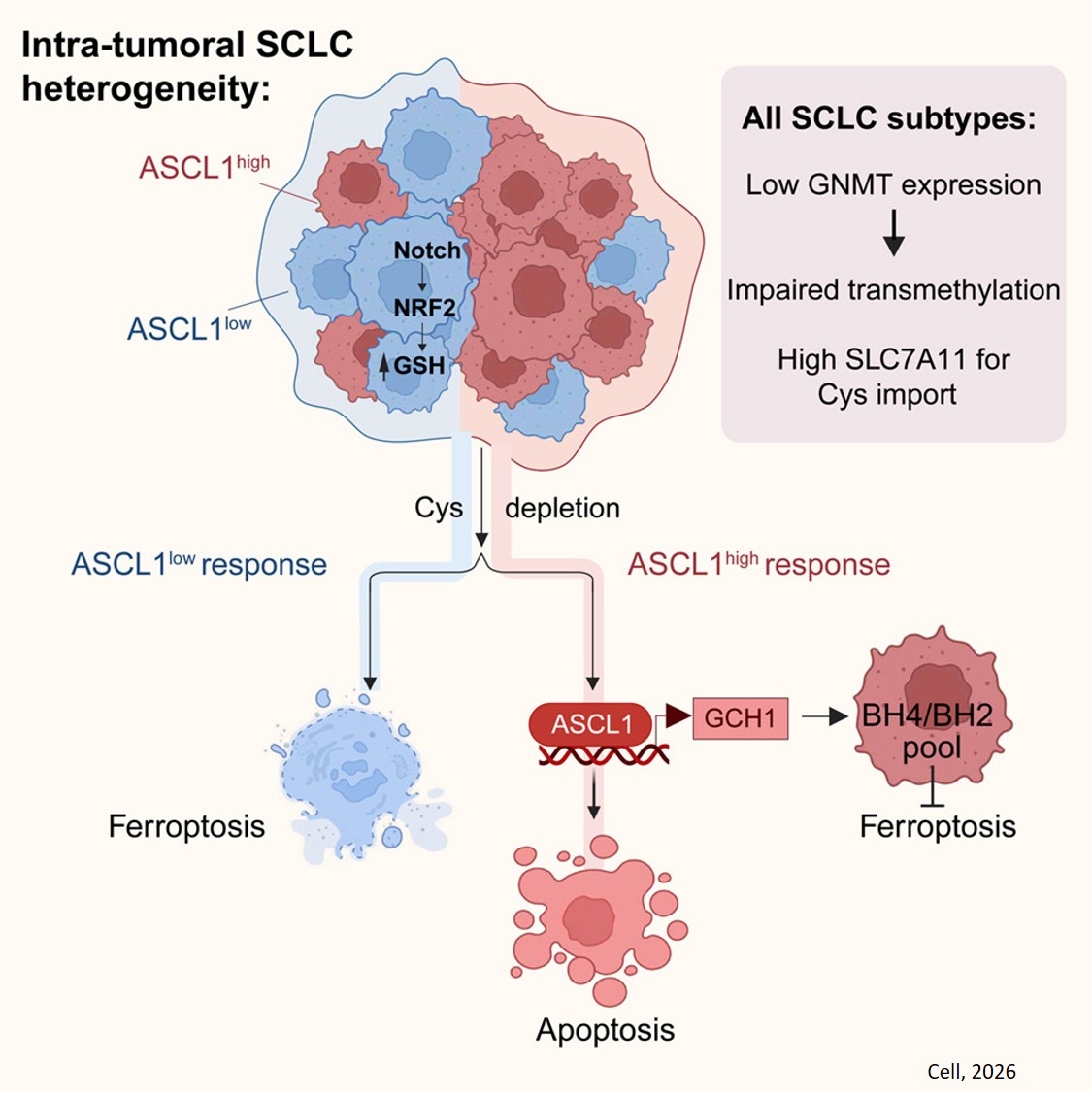
Researchers have demonstrated that, whilst various cellular states of small cell lung cancer are equally dependent on the amino acid cysteine, they react differently when deprived of it. Whilst some cancer cells subsequently die via ferroptosis – a form of cell death in which harmful oxidized fats accumulate in the cell membranes – others undergo apoptosis, a controlled, programmed form of cell death.
In a new study, the researchers also identified a molecular mechanism that protects certain tumor cells from ferroptosis and that could potentially be targeted for therapeutic purposes. The study was published in the scientific journal Cell.
Small cell lung cancer is a particularly aggressive form of lung cancer, which is often not diagnosed until it has reached an advanced stage and is difficult to treat. One particular challenge is the high adaptability of tumor cells. They can alter their cellular state and, in doing so, also adapt their metabolism. This enables them to adjust to changing conditions and, in some cases, to evade treatment.
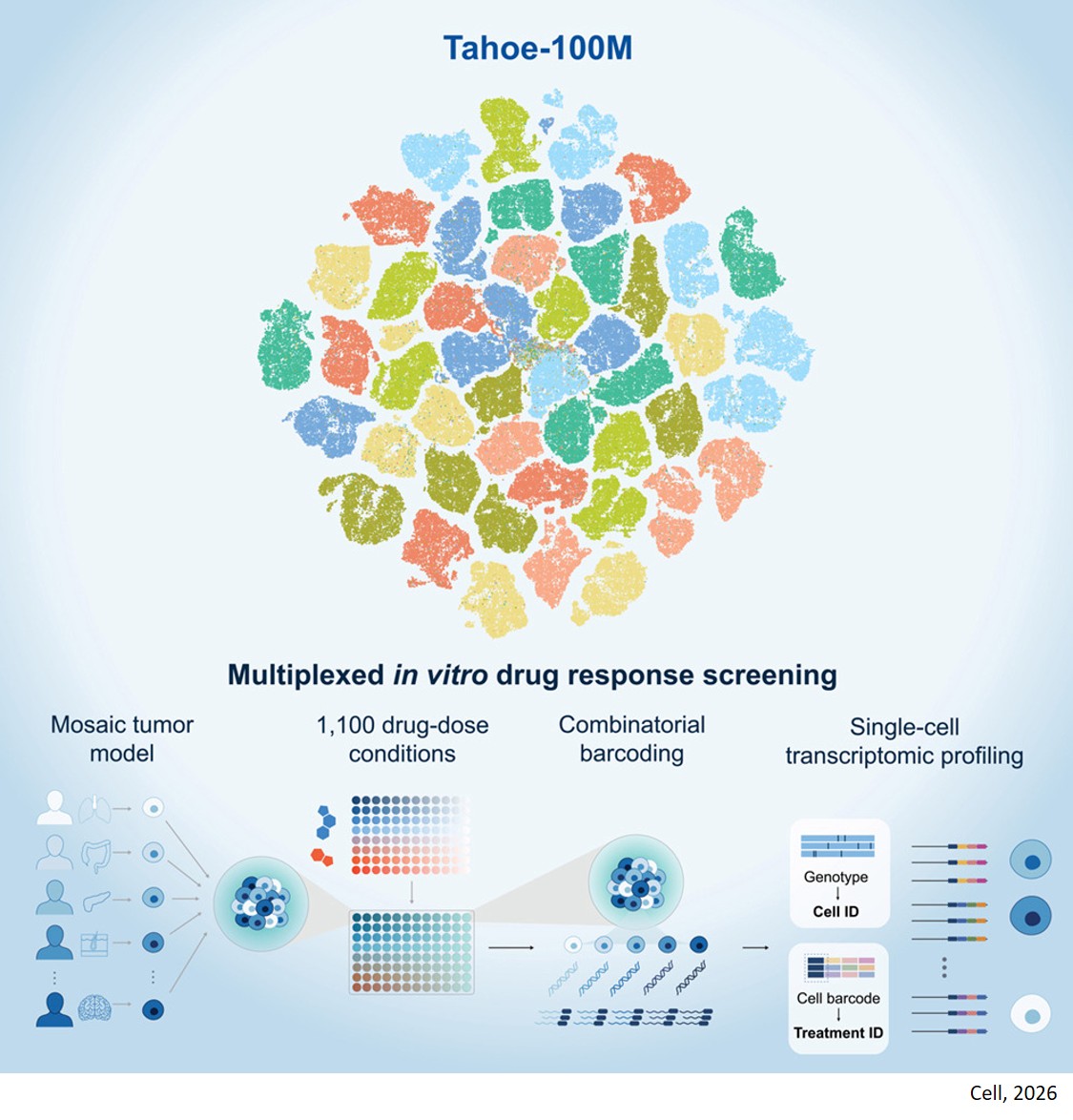
This has led the researchers to investigate how the tumor’s various cellular states differ in terms of their metabolism, and how these differences determine the cancer cells’ response to metabolic stress. For this purpose, they combined various methods for investigating gene activity and cellular metabolism. Using transcriptomics, they analysed the entire set of mRNA molecules and were thus able to draw conclusions about the activity of individual genes. They also analysed the full range of metabolic products in the cells and used metabolic tracing to track the path of specific nutrients through the metabolic pathways of the cancer cells. The studies were carried out in cell culture, animal models and tumor models derived from patients.
“Our research shows that all forms of small cell lung cancer studied are dependent on cysteine. If cysteine is deprived from the cancer cells, all the cancer cells die. However, it is the cell’s state, governed by a regulatory protein, that determines how this happens,” explains a co-senior author of the study.
“Cells with low levels of the cell-state-regulating protein ASCL1 die by ferroptosis. Cells with high levels of ASCL1, on the other hand, can prevent this process, making them more resistant. We were able to show that ASCL1 activates the GCH1 gene in this process. This promotes the production of antioxidants, which protect the cells from harmful oxidative damage. If this protective mechanism is also blocked in addition to cysteine, tumor growth can be significantly slowed down in preclinical models.”
Cancerous tumors consist of different cell populations, which may respond differently to treatment. At the same time, the cells can alter their state and thereby develop new survival strategies. “Our findings show that this diversity also conceals a common weakness: this dependence on cysteine is observed in various cellular states. If we can successfully exploit this mutual dependence whilst simultaneously blocking the tumor cells’ various defence mechanisms, this could be a new strategy for preventing the survival of cancer cells,” said the author.
The preclinical study thus demonstrates how closely the adaptability of tumor cells is linked to their metabolism and their ability to survive under stress. The results also provide a potential starting point for the development of new therapeutic strategies. In further studies, the researchers aim to characterize the identified protective mechanisms in greater detail and to investigate how these can be specifically and therapeutically influenced.