


Myocarditis after mRNA vaccination is attributed to mitochondrial stress
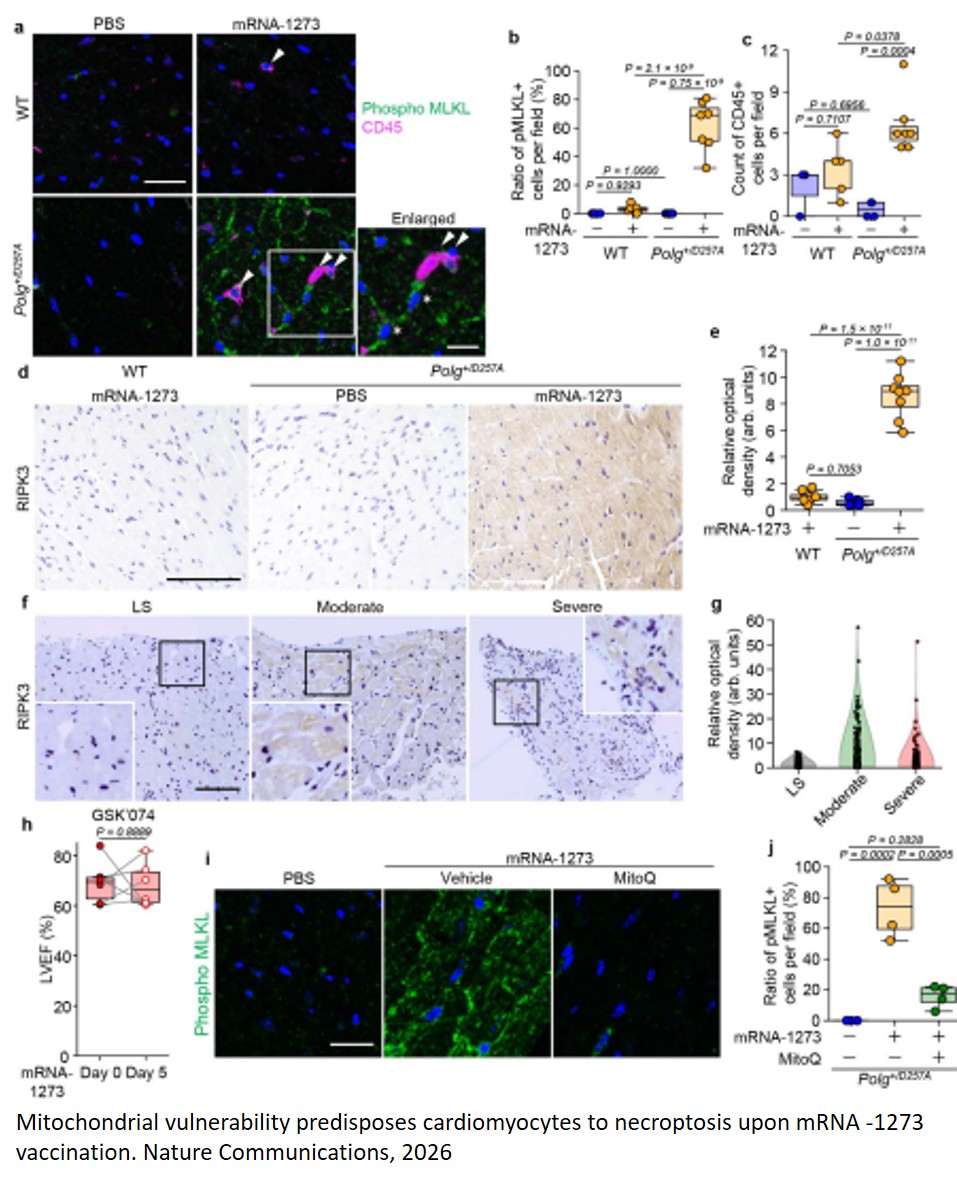
Although messenger RNA (mRNA) vaccines against COVID-19 are highly effective, they are associated with rare cases of myocarditis, predominantly in young males. Furthermore, the biological mechanisms behind this adverse reaction remain unclear.
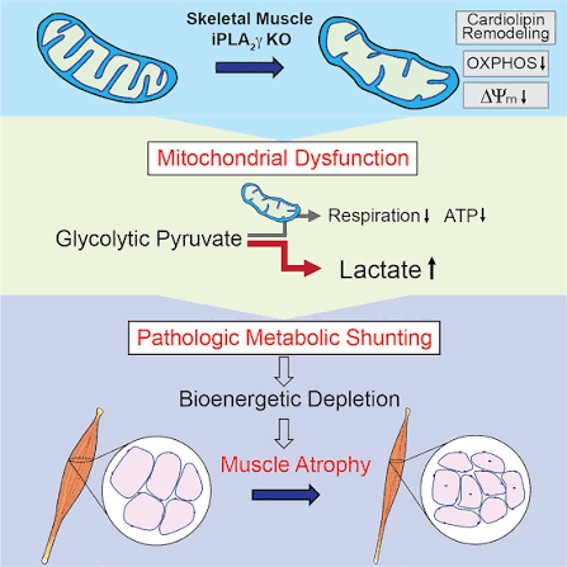
In this study, the researchers analyzed endomyocardial biopsy samples from patients who developed myocarditis following mRNA vaccination. They identified marked mitochondrial morphological abnormalities together with the downregulation of mitochondria-related genes. Furthermore, a mouse model exhibiting subclinical mitochondrial impairment demonstrated significant cardiac dysfunction accompanied by myocardial inflammation after the administration of an mRNA vaccine.
Mechanistically, the researchers found that the synthetic lipid components contained in mRNA vaccine lipid nanoparticles enhance the production of mitochondrial-derived reactive oxygen species, thereby activating necroptosis (a form of inflammatory programmed cell death) in cardiomyocytes. Importantly, treatment with mitochondria-targeted antioxidants and pharmacological necroptosis inhibitors markedly suppressed mRNA-vaccination-induced myocarditis. Moreover, the activation of intracellular signaling mediated by female sex hormones prevented the development of cardiac dysfunction, suggesting that this pathway may partly account for the observed sex bias in the incidence of post-vaccination myocarditis.
Collectively, these findings indicate that mitochondrial vulnerability is an important determinant of myocarditis susceptibility following mRNA vaccination. These insights can be used to develop risk stratification markers and preventive therapeutic strategies to further improve the safety profile of mRNA-based vaccines.
https://www.nature.com/articles/s41467-026-71295-1
https://sciencemission.com/Mitochondrial-vulnerability-in--COVID-19-vaccine