

Placental toxicology progress!
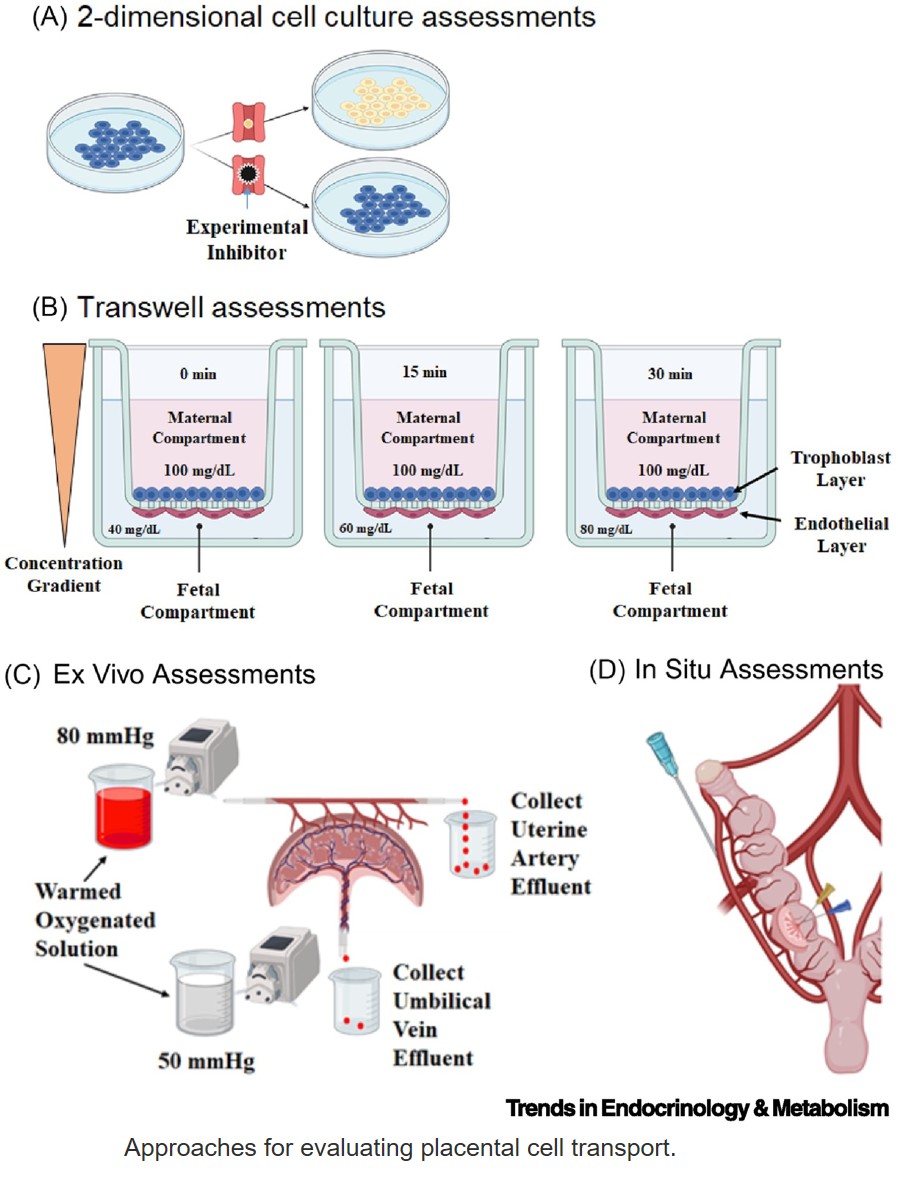
Commonly used in vitro and in vivo placental models capture key placental functions and toxicity mechanisms, but have significant limitations.
The physiological relevance of placental models varies, with a general hierarchy of simple in vitro < complex in vitro/ organ-on-chip < in vivo, but species-of origin considerations may alter their relevance to human physiology.
Cellular, rodent, human, and computational modeling systems provide insights into placental transport, physiology, and toxicology linked to maternal–fetal health.
Recent advances in 3D culture and microfluidic technologies offer more physiologically relevant models for studying the placenta.
Mathematical modeling approaches can integrate mechanistic physiological data and exposure assessments to define key toxicokinetic parameters.
Environmental chemical concentrations and omic data obtained from placental tissues can link toxicant influences on placental function to adverse birth outcomes.
Placental cell lines remain underutilized in high-throughput screening for toxicity testing, and present opportunities for adaptation and innovation in experimental protocols.
https://www.cell.com/trends/endocrinology-metabolism/fulltext/S1043-2760(25)00100-6