



Membrane contact sites as crossroads for infections
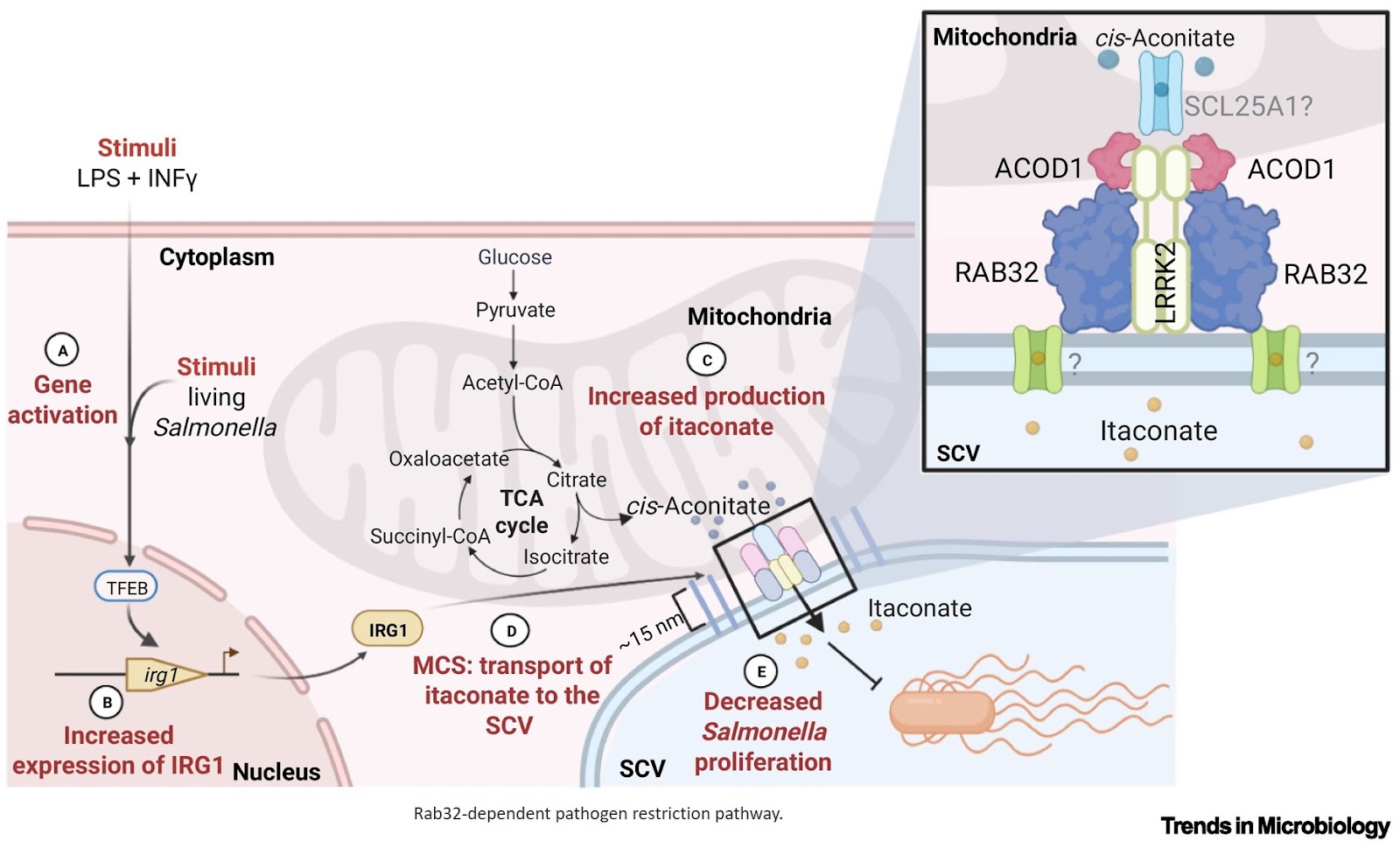
Host membrane contact sites (MCSs) act as key hubs for both pathogen manipulation and antimicrobial restriction pathways. Intracellular pathogens, such as Salmonella, influence cholesterol exchange by the modulation of host MCSs, leading to increased bacterial replication while suppressing host autophagy.
MCSs are critical targets hijacked and remodeled by a wide range of viruses throughout their life cycles to reorganize host organelles, enhance replication, and facilitate viral entry and egress.
Since MCSs are important hubs for the diversion of metabolism by intracellular pathogens and allow rapid metabolic switches in the host cell, they represent interesting therapeutic targets for infectious diseases.
https://www.cell.com/trends/microbiology/fulltext/S0966-842X(25)00364-6