

Retrotransposons in hematopoiesis and cancer
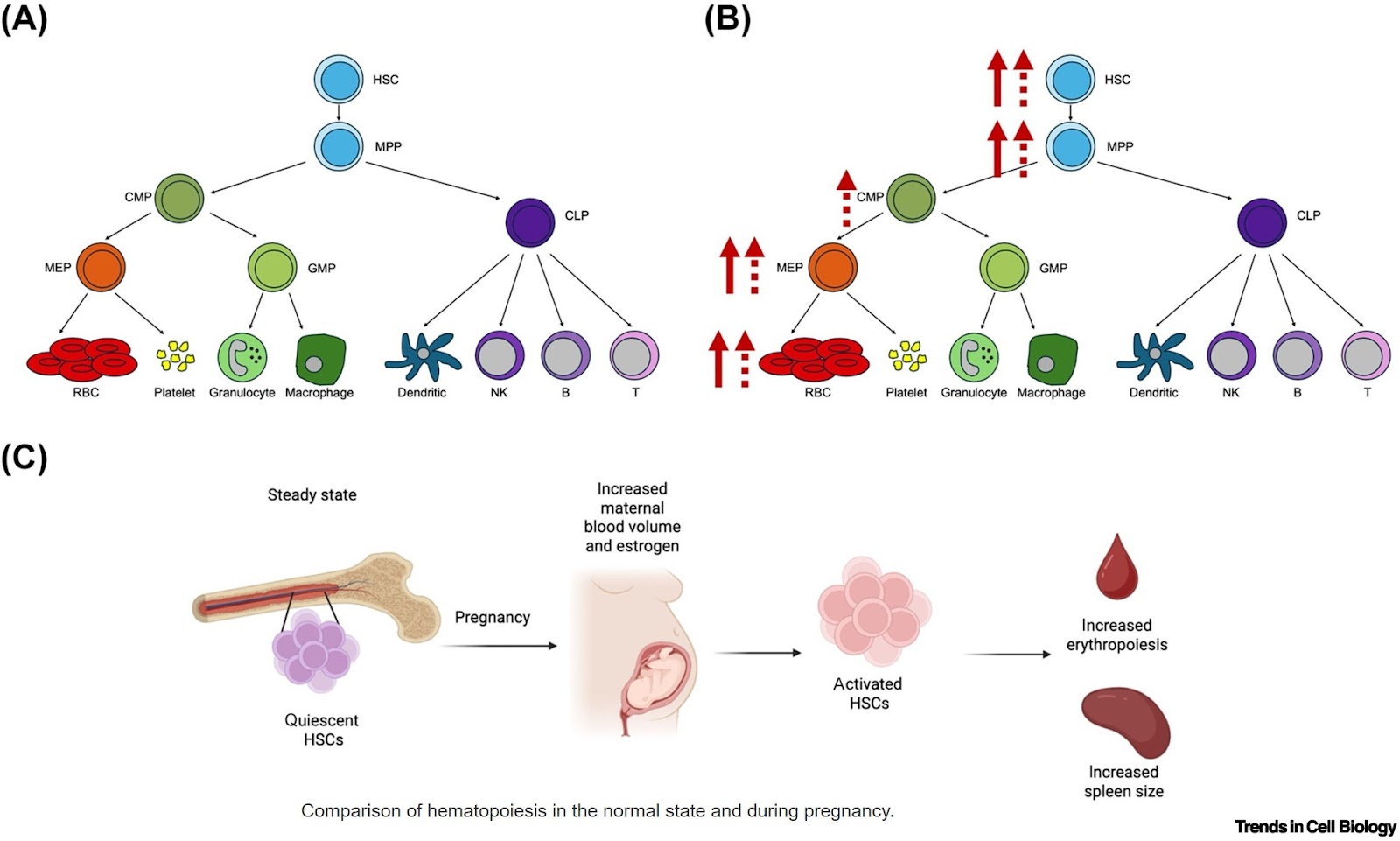
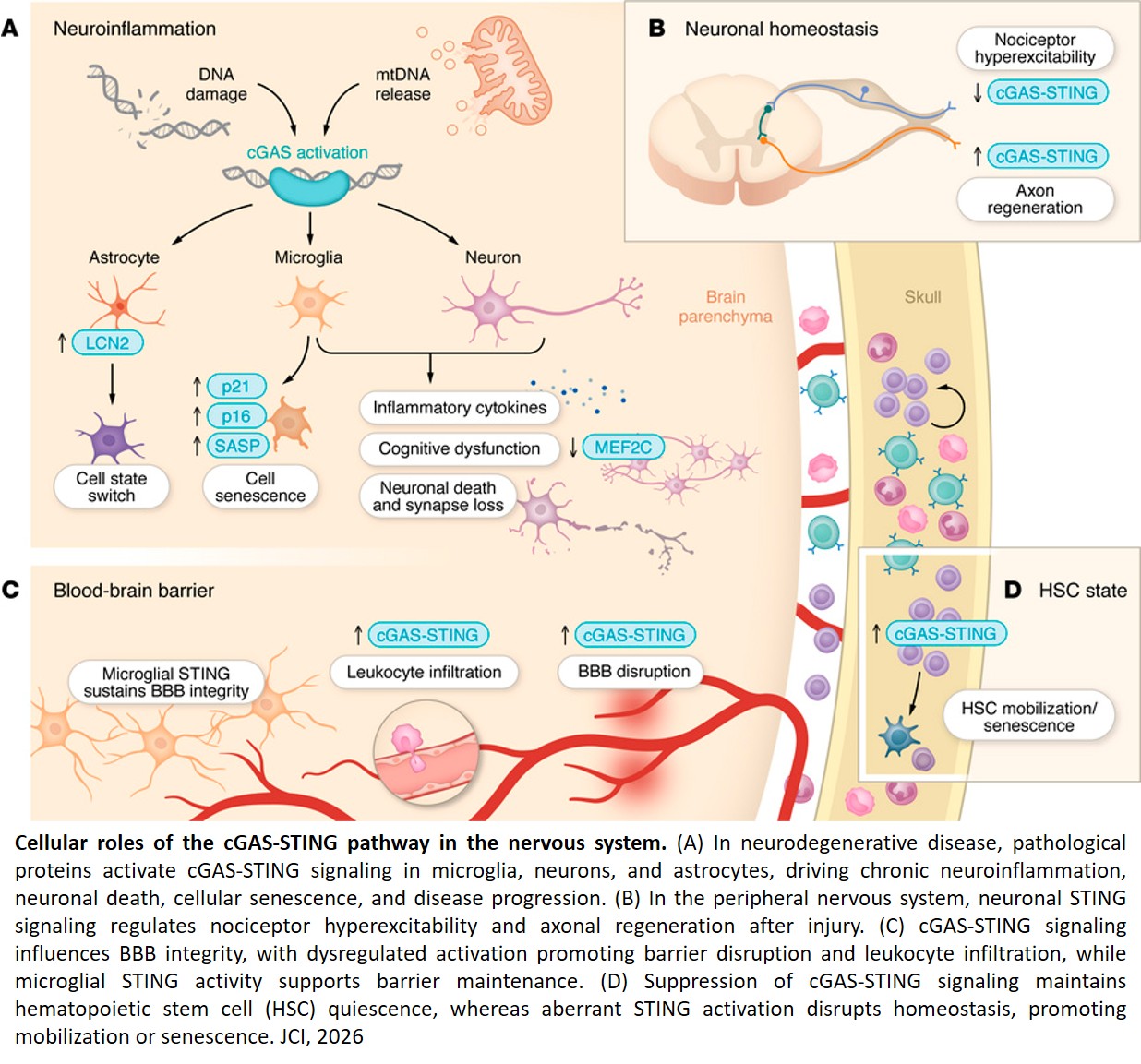
During hematopoietic stress, hematopoietic stem cells become activated and mobilize to organs such as the spleen to boost blood cell production.
Transposable elements, including DNA transposons, such as Helitrons, and retrotransposons, such as long interspersed nuclear elements, short interspersed nuclear elements, and endogenous retroviruses, form a large part of the genome and are controlled by several mechanisms, including DNA modifications, small RNA silencing pathways, and sequence-specific transcription factors.
While transposable elements, particularly long interspersed nuclear element-1 and endogenous retroviruses, have historically been considered harmful due to their potential for genomic instability, recent studies show that they also play essential roles in development, immune responses, and stem cell regulation.
Under stress conditions, such as aging, irradiation, chemotherapy, bleeding, and pregnancy, transposable elements become derepressed in hematopoietic stem cells, disrupting quiescence and triggering inflammatory pathways.
In the adult steady state, retrotransposons are mainly epigenetically silenced, but in many cancers, their reactivation promotes genomic instability, immune response, and tumor progression.
https://www.cell.com/trends/cell-biology/fulltext/S0962-8924(25)00280-6
https://sciencemission.com/retrotransposons-in-hematopoiesis-and-cancer