



Sex chromosomes drive how bodies deal with cancer, heart health and longevity
A new review published in Science brings together growing evidence that the X and Y chromosomes do much more than determining biological sex. They also shape how cells function, age and respond to disease.
Differences in health between men and women have long been attributed mainly to sex hormones such as estrogen and testosterone. However, genes on the X and Y chromosomes also play a direct role, working both on their own and alongside hormones.
It describes how sex chromosomes influence immunity, metabolism, brain aging, cancer and heart disease, and what this could mean for diagnosis, treatment and the design of clinical trials.
"X and Y chromosomes are often thought of as simple determinants for biological sex, but their role in human health is much larger," said one of the study's corresponding authors. "Our review shows that these chromosomes carry genetic instructions that shape how our cells age and how our bodies defend against major diseases throughout our lives."
The study shows that the genes on the X and Y chromosomes, rather than circulating hormone levels alone, determine disease risk, progression and therapeutic responses across key heath areas including aging, cancer, neurological conditions, immune system functions and cardiometabolic disease.
The review, which evaluated and synthesized existing evidence from human studies, mouse models and genomic technologies, describes several processes inside cells that shape health across the lifespan.
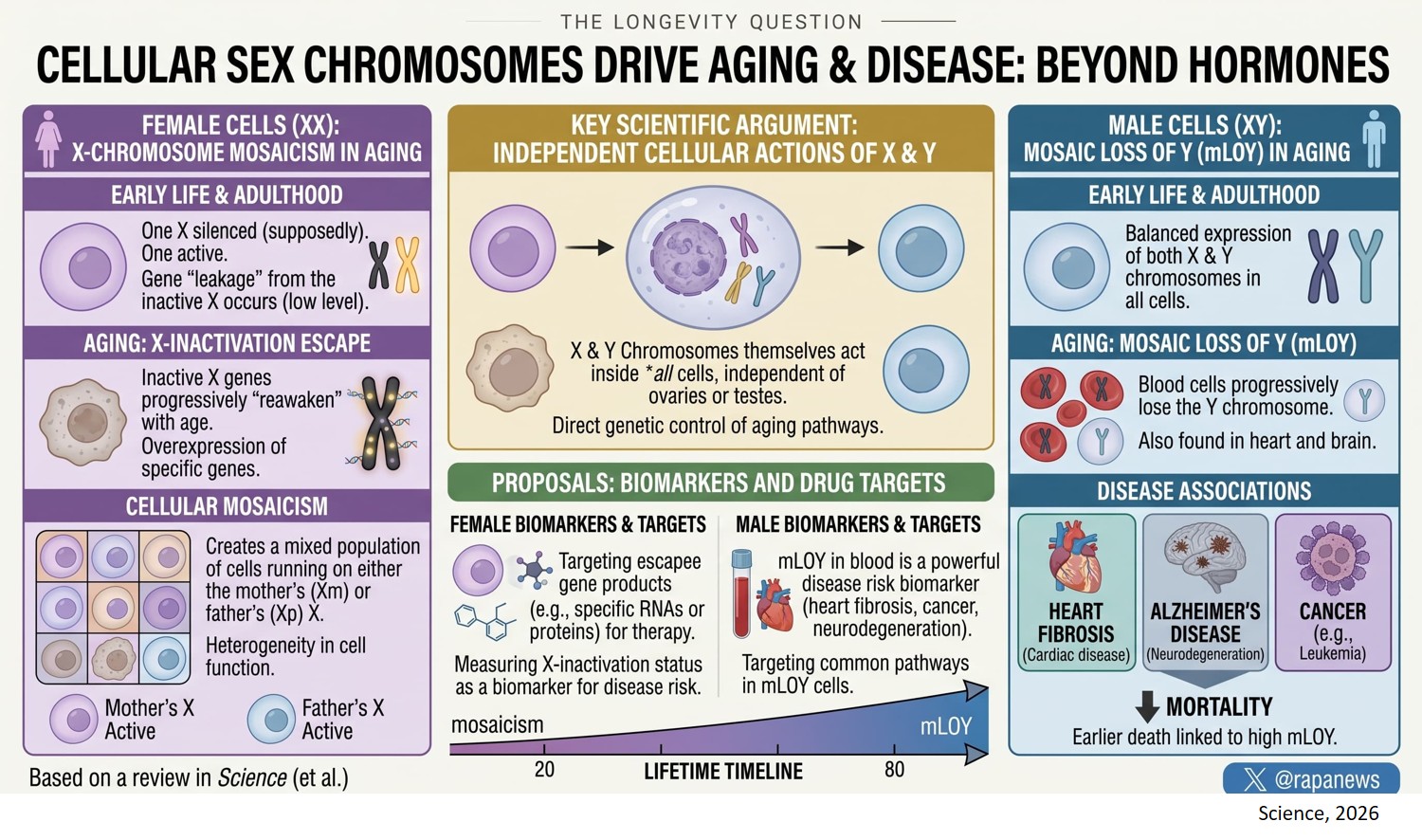
In women, one of the two X chromosomes is largely switched off early in development, but some of its genes stay active and others can switch back on with age, giving female cells extra doses of certain genes. Studies in mice suggest it also matters whether a cell's active X came from the mother or the father. Men inherit their only X chromosome from their mother, while in women each cell uses either the mother's or the father's copy. In mice whose cells relied mostly on the mother's X, faster brain aging and memory decline was observed.
With age, some cells lose a sex chromosome. In women, loss of an X is linked to higher leukemia risk, though its broader effects remain largely unknown. In men, loss of the Y, most often measured in blood, is linked to cancers, heart disease, severe infections and Alzheimer's disease. The loss of these chromosomes is being explored as both a biomarker of and potential contributor to age-related disease.
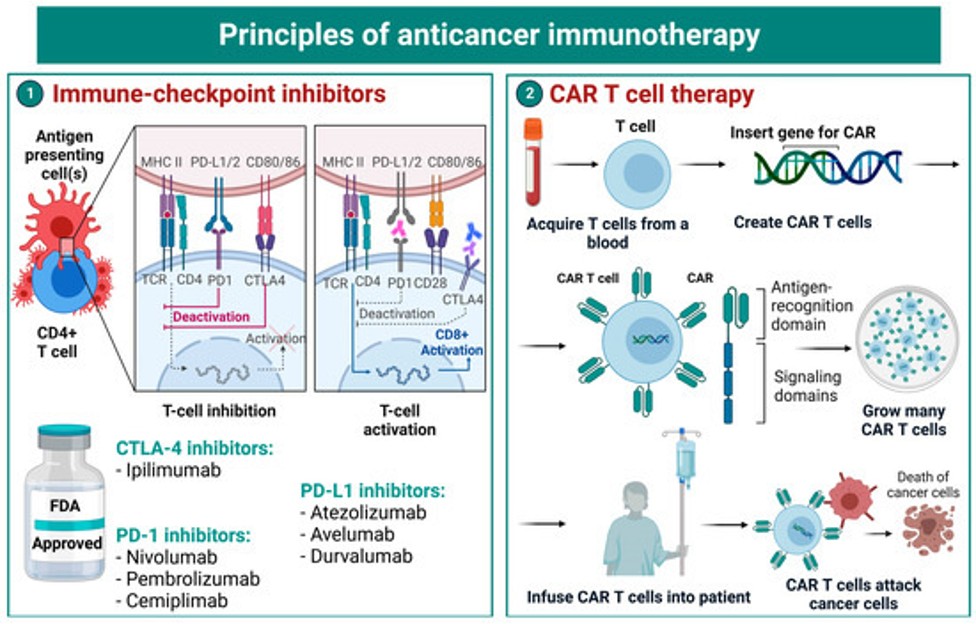
"When we look inside human cells, we see that X and Y chromosomes are participants in health and disease throughout a person's life," said the author. "In cancer, for example, our laboratory has found that tumors that lose the Y chromosome can evade the immune system, yet may respond better to immunotherapy. Understanding this biology could help us tailor treatment."
.