



Socioeconomic factors influence children’s brain structure and function
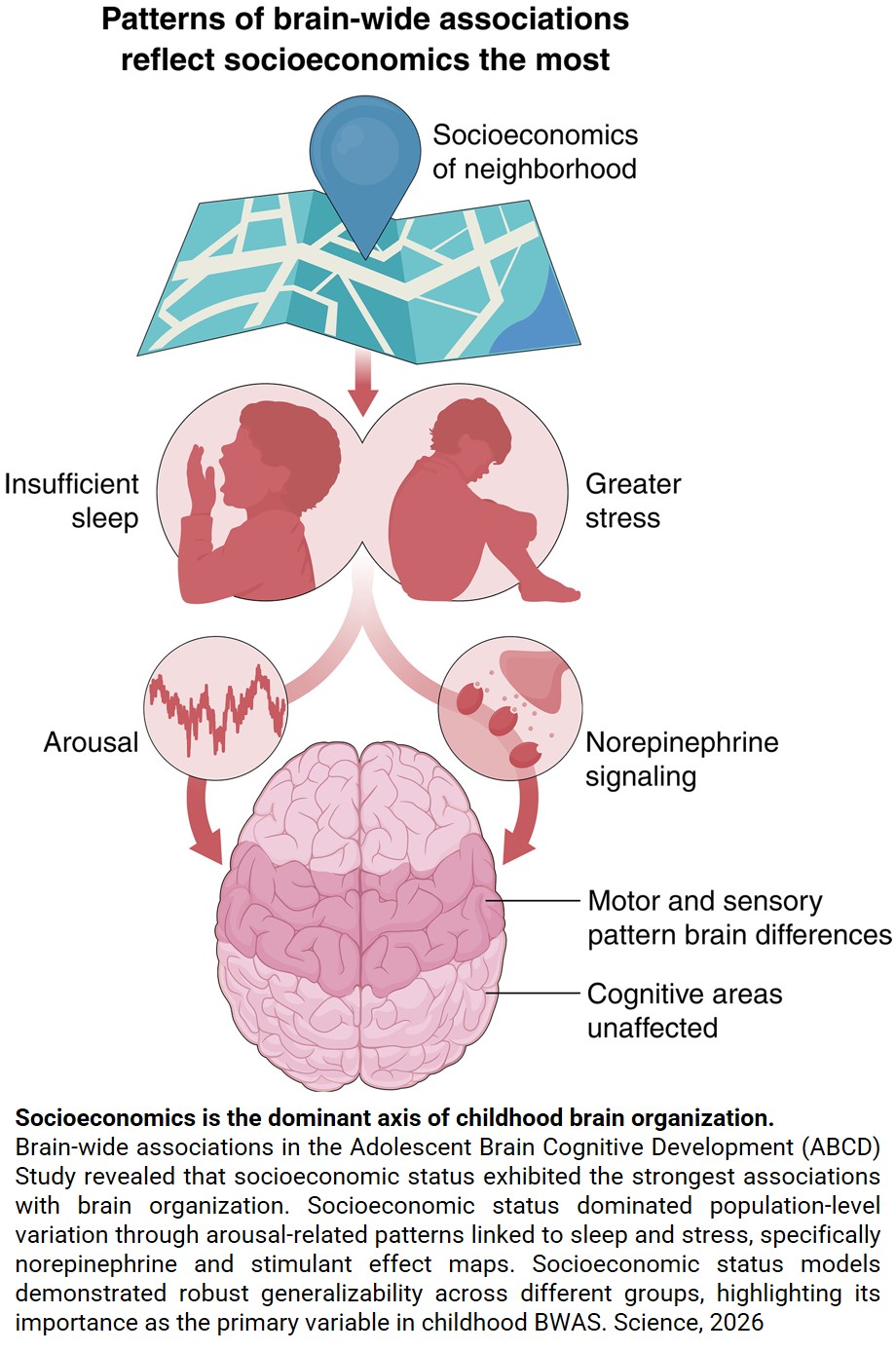
A new study suggests that variables linked to socioeconomic status (SES) – such as increased stress and reduced sleep – have strong relationships to brain structure and function in children.
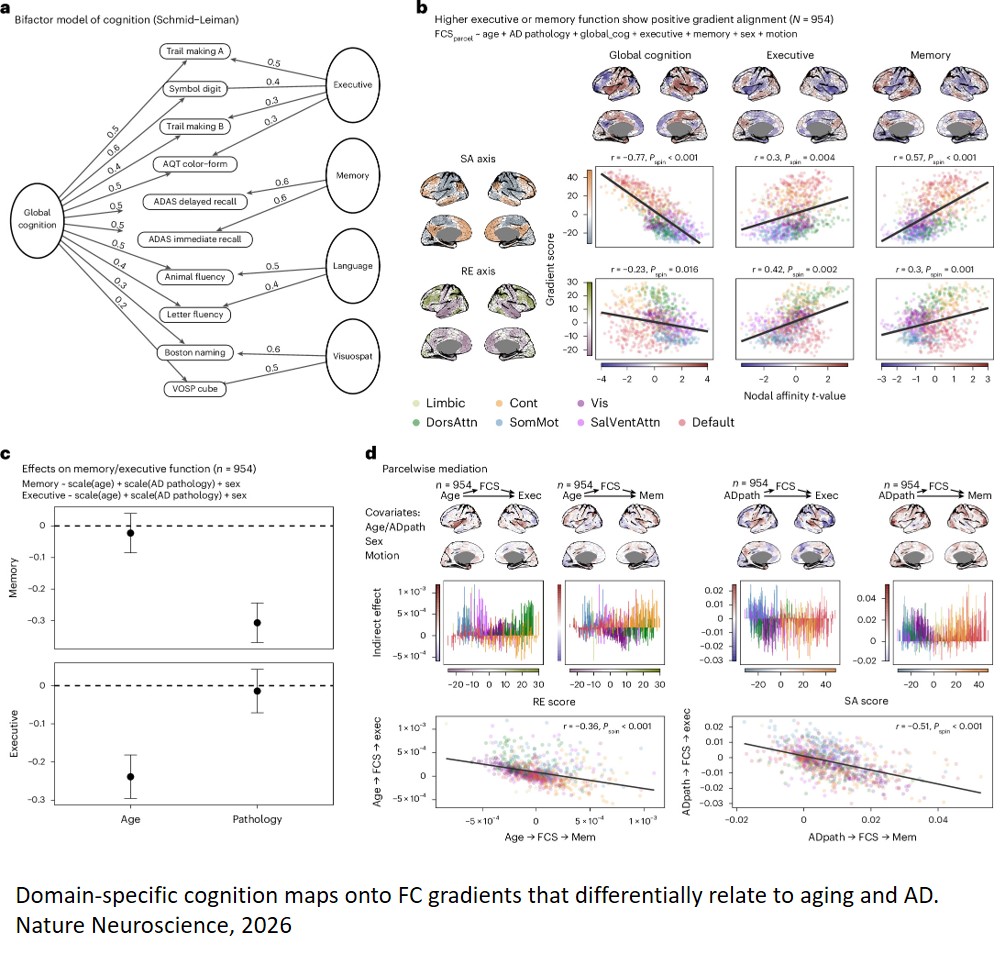
Brain-wide association studies (BWAS) examine how variability in brain structure or function across many people relates to differences in behavior, mental health, or environmental exposures. Such studies often evaluate brain measures such as functional connectivity and cortical thickness, which vary in individuals and can change over time.
Here, the researchers sought to identify which exposures (from 649 different variables) were most strongly associated with functional connectivity and cortical thickness in a sample of youth aged 9 to 10 from the Adolescent Brain Cognitive Development (ABCD) Study.
The authors found that a composite of factors related to SES – like family income and neighborhood opportunity – were most strongly associated with functional connectivity. Such SES-associated differences in functional connectivity were strongest in brain regions involved in sensory and motor processing, where screen time and reduced sleep – both linked to lower socioeconomic status – showed strongest associations.
Because these brain regions are related to arousal, and because arousal operates as a regulator of brain activity, it is possible socioeconomic status–related stressors may alter arousal patterns over time, producing lasting differences in brain function, say the authors.
The researchers saw the same patterns when they replicated their study in a sample from the UK Biobank (95% white British, white Irish, or other white background). Combined with analyses stratified by genetic ancestry in the original youth sample, these findings indicate that the brain differences associated with socioeconomic factors are unrelated to genetic ancestry, say the authors.
The researchers note that it “remains unclear when strong associations between the brain and SES first emerge or when environmental interventions may be most beneficial,” but “socioeconomic opportunity is not destiny." Any patterns established during sensitive periods of growth may not be permanent.