





Viagra ingredient as a therapy for mitochondrial disease
Sildenafil – an active ingredient also marketed under the name of Viagra – improves symptoms in patients with Leigh syndrome. This has now been reported in the Cell journal. Leigh syndrome is a rare, previously untreatable metabolic disorder occurring in childhood and causing severe neurological and muscular symptoms. In a pilot study involving six patients, sildenafil showed a positive effect on the course of the disease.
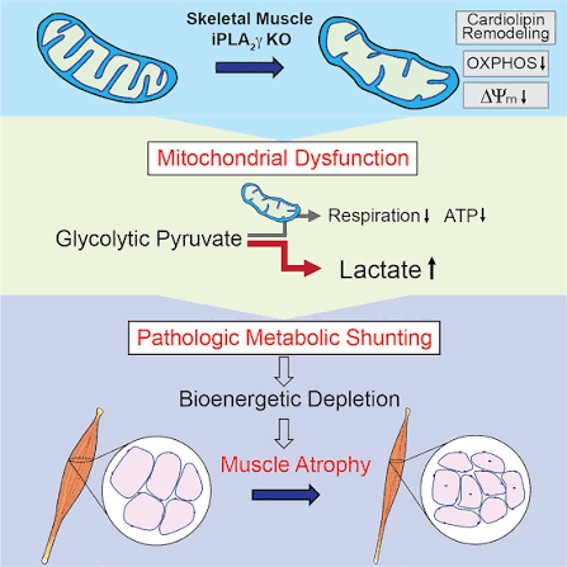
Leigh syndrome is a congenital disorder of the brain and muscles caused by a defective energy metabolism, often manifesting in infancy or early childhood. The disorder progresses slowly and is accompanied by severe symptoms such as epileptic seizures, muscular weakness and paralysis, while mental development may also be impaired. Patients with Leigh syndrome have a significantly lower life expectancy, and there is currently no approved drug therapy.
Now, however, a research team has identified a candidate drug that showed promising effects in a pilot study – and which may seem surprising at first glance: sildenafil, a so-called PDE-5 inhibitor. The drug is best known as a treatment for erectile dysfunction in adults. However, thanks to its vasodilatory effect, it also finds use in the treatment of pulmonary hypertension in infants.
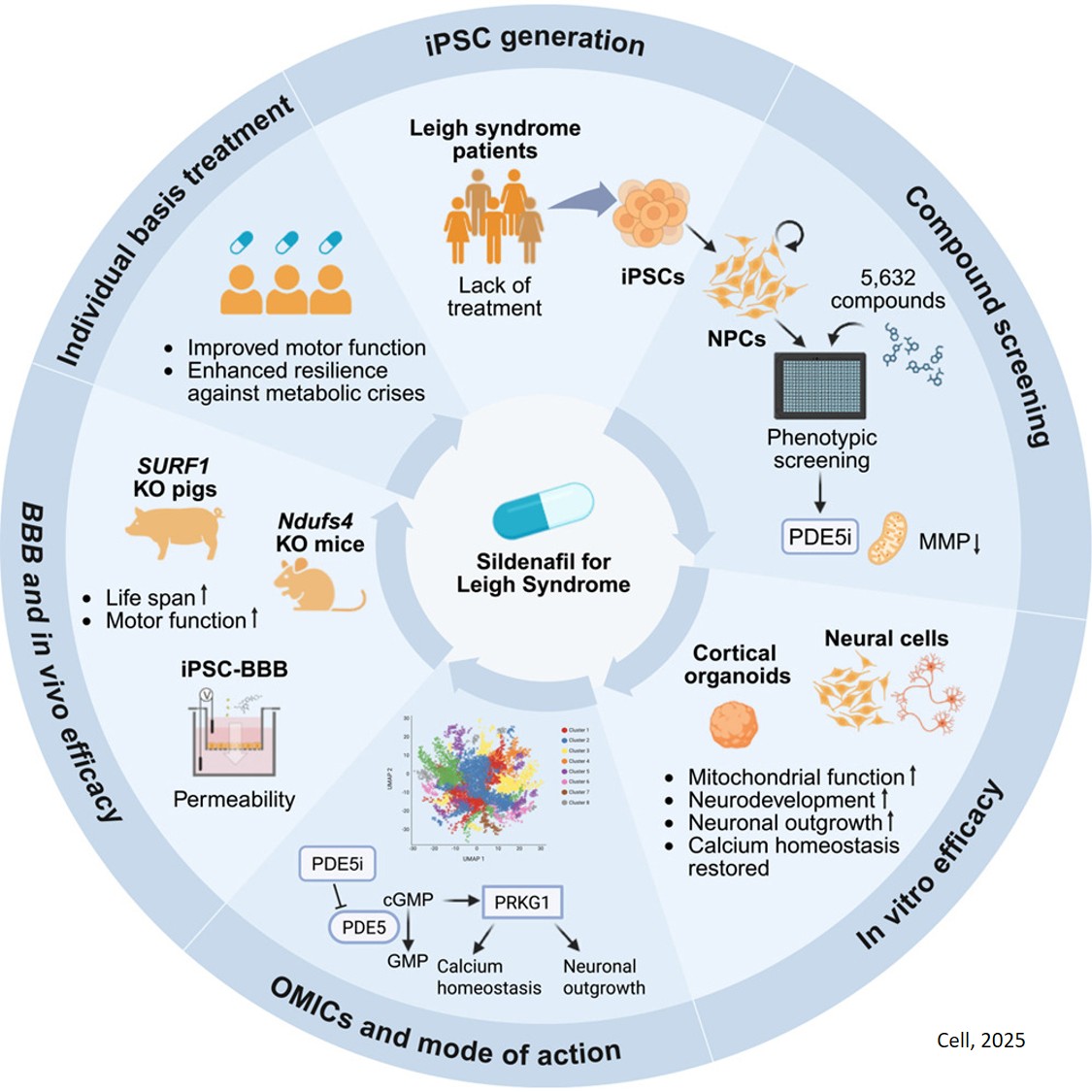
The study entailed administering sildenafil continuously to six Leigh syndrome patients between the ages of 9 months and 38 years. Within the time span of only a few months, their muscular strength in particular improved, and in some cases the neurological symptoms also disappeared. Moreover, they recovered more quickly from metabolic crises, i.e., overloads of the energy metabolism, which can suddenly worsen the course of this disorder.
"For example, in the case of a child undergoing sildenafil treatment, the walking distance increased tenfold, from 500 to 5,000 meters," as the senior author explains. "In another child, the therapy completely suppressed metabolic crises that occurred almost monthly, while another patient no longer suffered from epileptic seizures.". The author went on to emphasize: "Such effects significantly improve the quality of life of Leigh syndrome patients. While we will have to confirm these initial observations in a more comprehensive study, we are very pleased to have found a promising drug candidate for the treatment of this serious hereditary disease."
Such success cannot be taken for granted, as Leigh syndrome is rare, affecting only one in 36,000 children. "The low case numbers make it difficult to research the disease and present some obstacles in our urgent search for effective therapies," explains the author. With such a small number of patients, large-scale studies are hardly possible, meaning that specialists from several centers must collaborate internationally. What is more, it is not possible to simply remove brain or nerve tissue from patients in order to investigate the causes of the disease.
In order to identify sildenafil as a potentially effective drug, the researchers had to resort to some methodological tricks. In an initial step, they took skin cells from the patients and used them to produce so-called induced pluripotent stem cells in the laboratory – cells that are capable of developing into very different cell types. From the stem cells, they cultured nerve cells whose metabolism exhibited the same defective functionality as that of the patients. In the next step, the researchers selected over 5,500 active substances that were already approved for the treatment of other diseases or for which extensive safety and efficacy data were available, and tested their effect on the cultured nerve cells.
"This is the largest drug screening for the treatment of Leigh syndrome to date," emphasizes Dr. the lead author of the study. "It showed that sildenafil, among other drugs, improved the electrical functionality of the nerve cells." Additional laboratory tests supported the results obtained at the cellular level: In three-dimensional miniature replicas of the brain, known as organoids, sildenafil enhanced the growth of nerve cells, for example. The drug also improved the energy metabolism and increased life expectancy in animal models.
"Based on these results, we decided to administer the drug as part of an individual therapeutic trial in six patients with Leigh syndrome," as the lead author stated. "Another decisive factor was the fact that detailed safety data was available for the long-term use of sildenafil in children, as the active ingredient is already approved for other pediatric disorders." All of the patients tolerated the drug well overall.
Based on the results now published, the European Medicines Agency (EMA) has granted sildenafil the status of an orphan drug (ODD), meaning a drug for rare diseases. Such drugs can undergo a simplified approval process, which is intended to support the development of therapies for rare diseases. In order to validate the new findings and – given that the previous observations are confirmed – prepare for the approval of sildenafil for Leigh syndrome, the research team is planning a Europe-wide placebo-controlled clinical trial as the next step. The trial will be conducted as part of the SIMPATHIC EU project.
https://www.cell.com/cell/fulltext/S0092-8674(26)00173-X
https://sciencemission.com/sildenafil-as-a-mitochondrial-disease-therapy