

How aspartate plays a role in antitumor immunity
Metabolites play a crucial role in various physiological processes including innate immune responses.
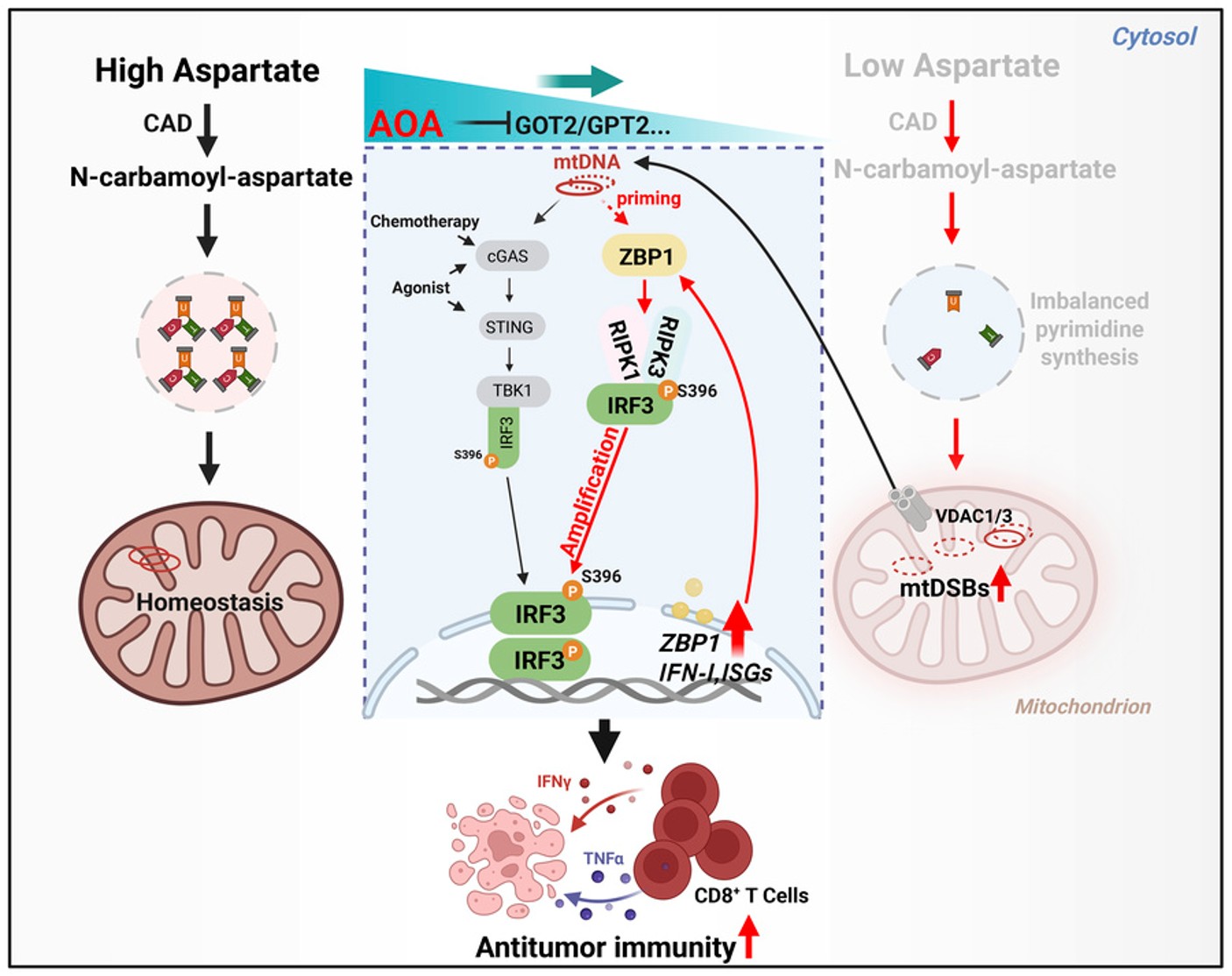
The researchers identified aspartate metabolism as a key regulator of cyclic GMP-AMP synthase (cGAS)–stimulator of interferon genes (STING) signaling.
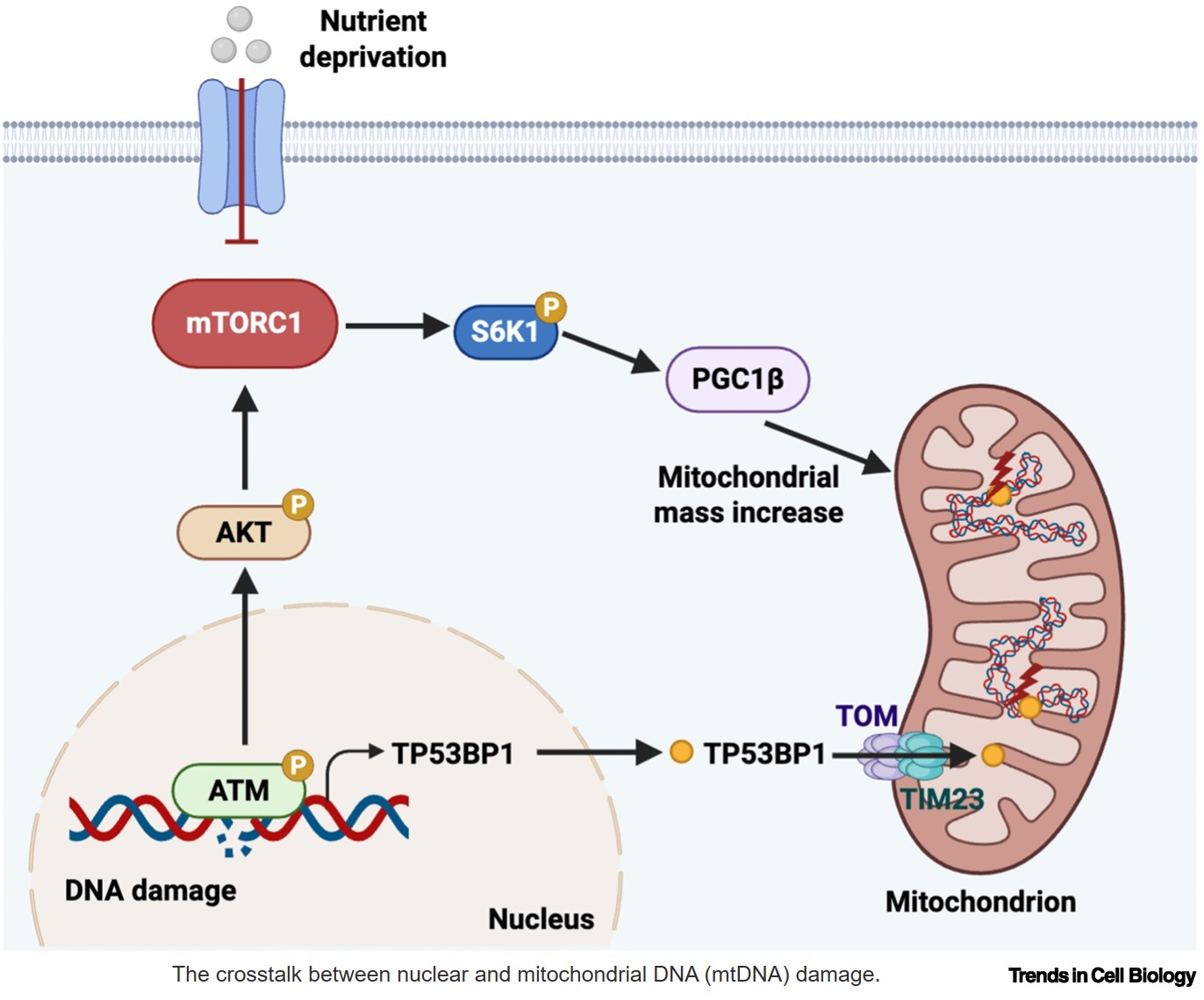
Reducing aspartate levels substantially enhanced the cGAS-STING pathway, leading to stronger upregulation of type I interferons and interferon-stimulated genes. The authors demonstrate disruption of de novo pyrimidine synthesis by decreasing aspartate levels, induced mtDNA replication stress and increased mtDNA double-strand breaks, promoting mtDNA release into the cytosol.
Cytosolic mtDNA synergized with cGAS-STING agonists to upregulate Z-DNA binding protein 1 (ZBP1), which recruits RIPK1/3 to sustain IRF3 phosphorylation, forming a positive feedback loop that amplifies innate immune signaling.
They also demonstrate that aspartate levels negatively correlated with antitumor immunity in colorectal cancer patient samples.