

How chemotherapy influences cancer inflammation
Chemotherapy can be life-saving for many patients, but not all tumors respond—and some that do, may eventually become resistant. Investigators have identified a possible explanation for this resistance, offering new insight into why certain cancers evade treatment.
The study found that, in some cases, chemotherapy may unintentionally reshape the immune system in ways that allow cancer to persist, even as it kills tumor cells.
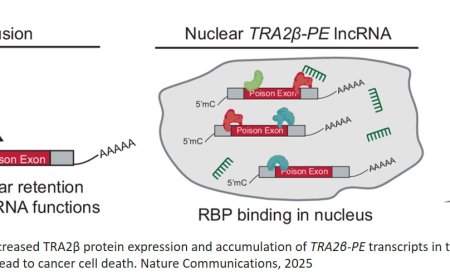
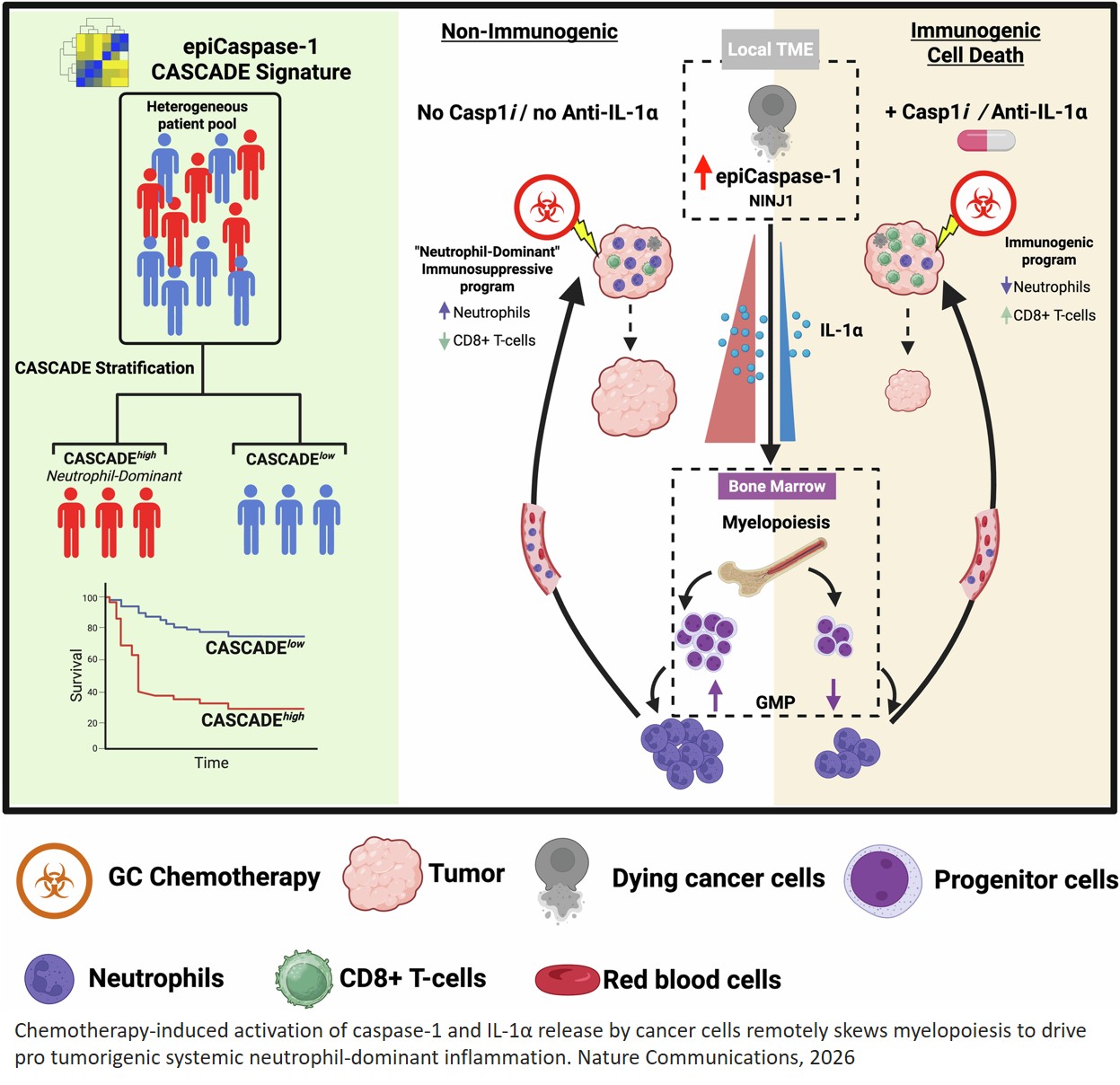
The study found that gemcitabine, a standard chemotherapy, triggers a type of cancer cell death called pyroptosis—which causes cells to burst open and release inflammatory signals that inhibit tumor treatment. The research was published in Nature Communications.
Instead of activating the immune system to attack the tumor, this process causes cancer cells to release IL‑1α—a molecule that travels through the bloodstream to the bone marrow, disrupting and skewing how new immune cells are produced. Specifically, this molecule causes the bone marrow to shift from producing beneficial immune cells that target cancer to producing different cells that support tumor growth, ultimately leading to poor patient outcomes.
“We noticed that IL‑1α released by the dying cancer cells travels to the bone marrow and reprograms the immune system negatively,” the author said. “However, as shown in the results, by blocking the trigger for the inflammatory signal or neutralizing the disruptive molecule, we were able to stop this harmful chain reaction and restore normal bone marrow activity and help the immune system work with chemotherapy instead of against it.”
For the next steps, the researchers will work toward moving into an early-phase clinical trial, laying the groundwork for evaluating safety, feasibility and early signs of effectiveness in patients.
https://www.nature.com/articles/s41467-026-71471-3
https://sciencemission.com/Chemotherapy-induced-activation-of-caspase-1