


A few fibres enable communication between the two hemispheres of the brain
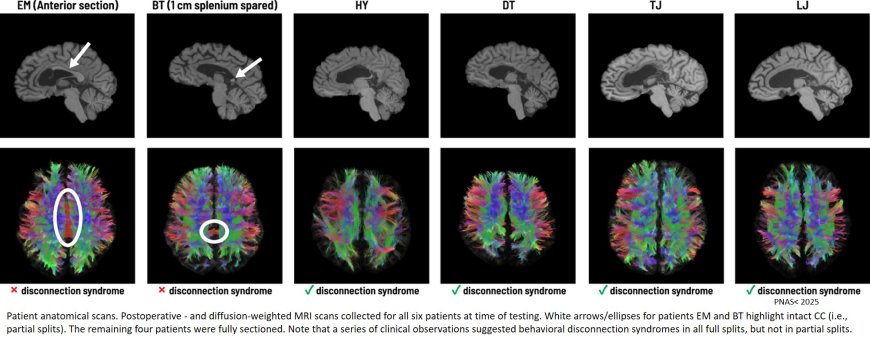
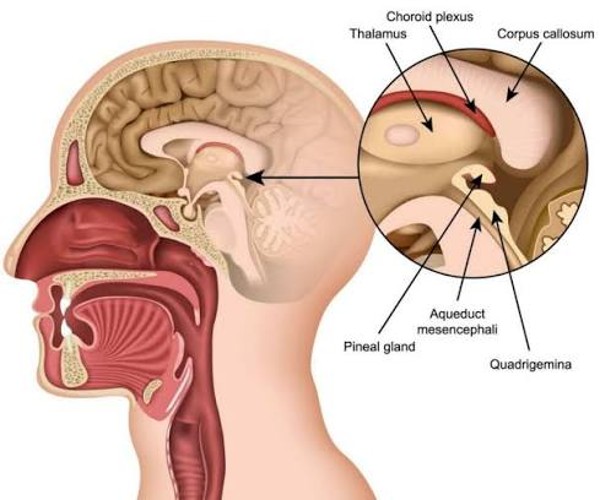
Just a few fibres are enough for the two hemispheres of the brain to communicate with each other. This was shown by a new international study published in the journal Proceedings of the National Academy of Sciences (PNAS) and underline the human brain’s amazing ability to reorganize – even when the most important connection between the hemispheres, the corpus callosum, is partially severed.
Until recently, damage to the corpus callosum – the brain’s largest fiber bundle – has been associated with impairments in speech, motor functions, or perception. However, the new study with so-called ‘split-brain’ patients shows that preserving around one centimetre of the corpus callosum’s fibres is enough to largely maintain the exchange of information between the two brain hemispheres and thus prevent neurological symptoms.
Using functional magnetic resonance imaging (fMRI), the research team investigated how partial or complete transections of the corpus callosum affected neural synchronisation. While a complete transection largely prevented information exchange between the hemispheres, communication remained almost normal in patients with few residual connections.
These findings challenge long-held assumptions about the relationships between brain structure and function. “Our results underline the immense adaptability of the functional architecture of the human brain,” explains the senior author. “Even a few fibres between the cerebral hemispheres appear to be sufficient to maintain a complex network architecture.”
These findings offer valuable insights for rehabilitation research after brain injury with targeted therapeutic interventions aiming to exploit the brain’s neuroplastic potential to facilitate the reorganization of impaired networks.