



An unexpected food source for tumors
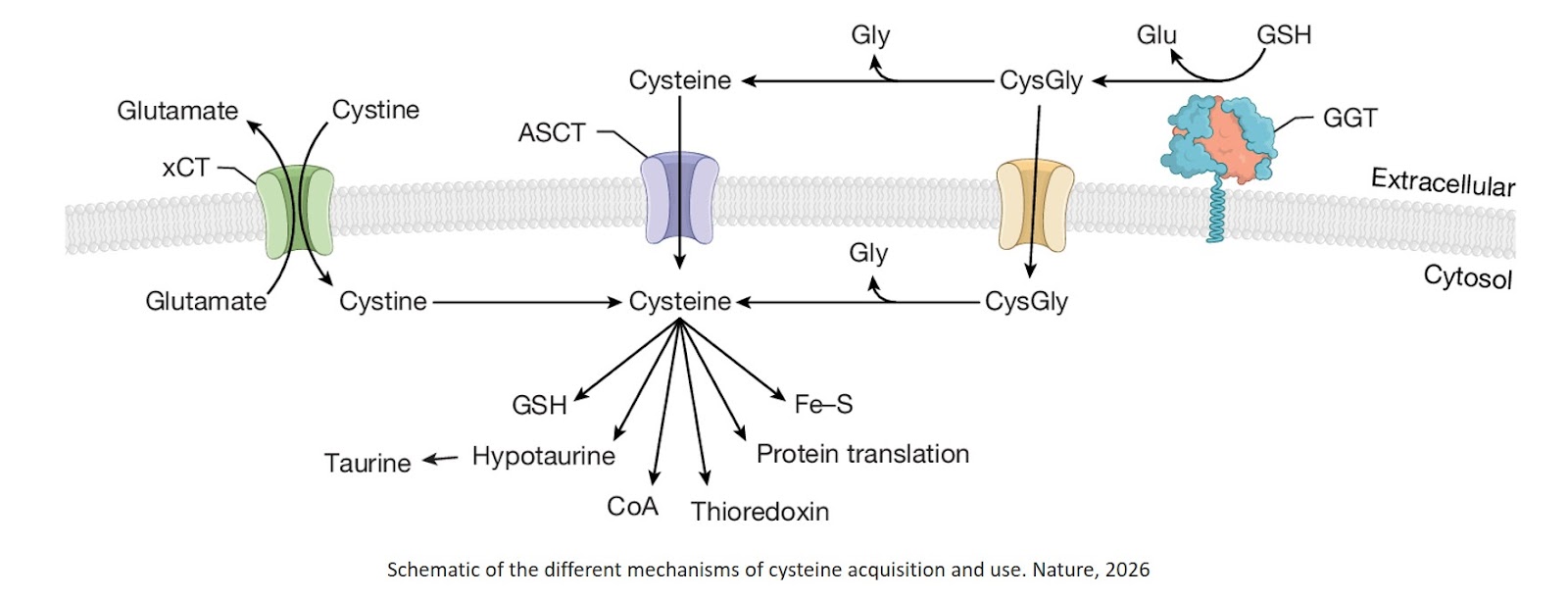
Researchers discovered an antioxidant, glutathione, that cancer cells appear to be “addicted to” as fuel, opening new pathways for investigation and a potential drug that can restrict the way tumors use this nutrient.
The study was published in top-tier scientific journal Nature.
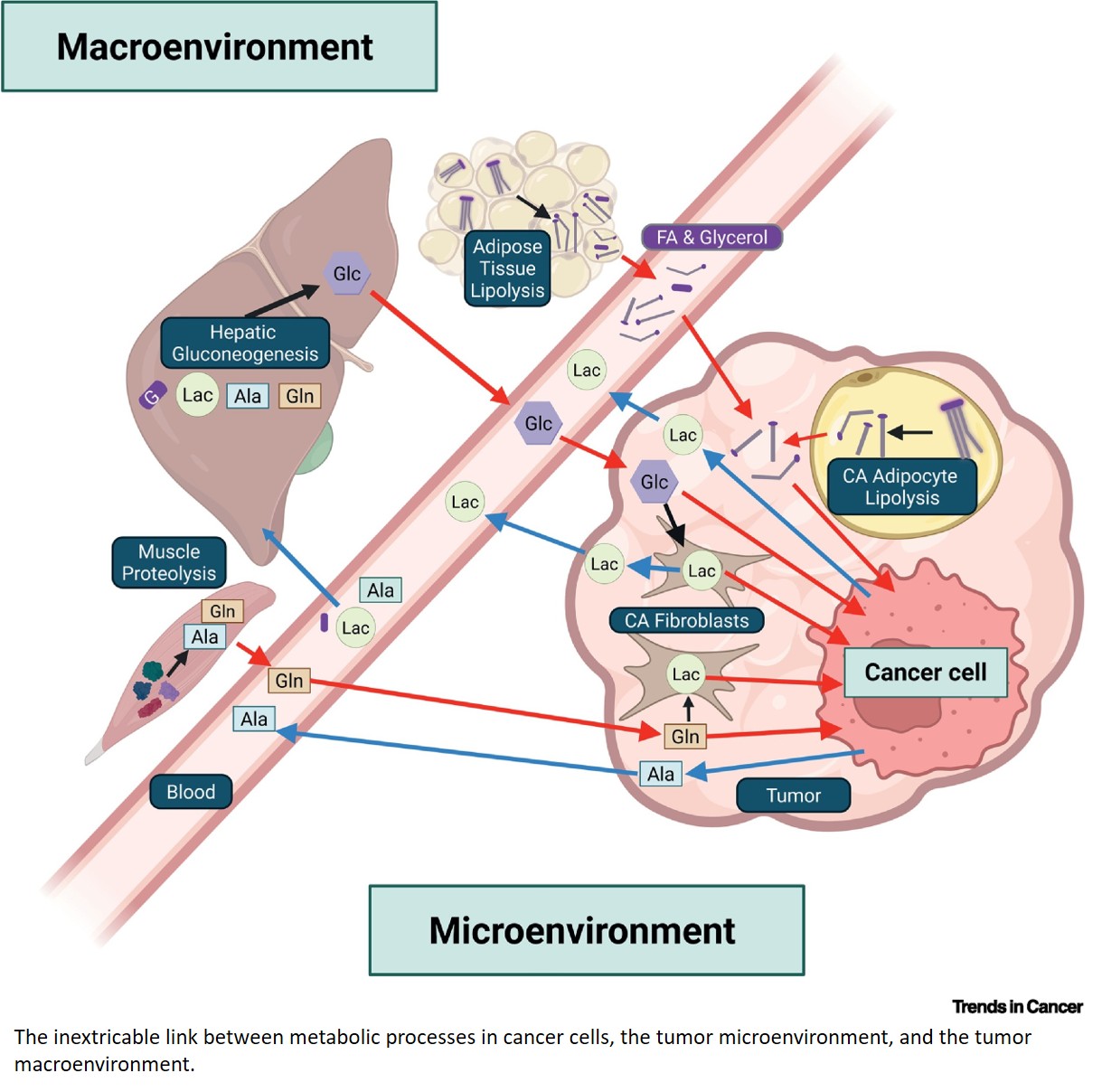
Nutrients are often scarce in the tissue and cells surrounding tumors. But cancer cells have produced an effective strategy to take in nutrients.
This is where glutathione, a powerful pro-tumor nutrient that the senior author has been studying for several years, came into focus.
“Cancer cells and normal cells potentially use different food sources,” the author explained, “and we discovered how cancer cells, specifically, break down this antioxidant and use it as fuel.”
The new role for glutathione is notable, the author said, because until now, most scientists who study glutathione have focused on the way it can prevent or repair cell damage, rather than its ability to feed cancer cells.
“Maybe we need to re-examine the pantry that cancer relies on and look at things that we never thought could actually be used as food for tumors,” the author said. “There are additional complex metabolites that others are looking at, so we’re potentially opening a whole new interest into how cancer cells acquire nutrients and how to block that activity. It’s a really exciting time.”
The body makes glutathione naturally, but it is also widely sold as an antioxidant supplement. While glutathione is often accompanied by pro-health claims, that is in contrast to more nuanced and cautionary messages from the National Cancer Institute about additives, nutrients, and dietary factors and their relationship to cancer.
“It’s important to understand how cancer hijacks certain substances that we may think of as harmless,” the author said — emphasizing that antioxidants can be a double-edged sword in some circumstances.
For example, last year, the authors discovered that taurine, another antioxidant available in foods, supplements, and energy drinks, drives the growth of leukemia cells. The work was also reported in Nature.
Earlier, the team discovered how a whole-food plant-based diet may reduce pro-tumor food sources in the body. It laid the groundwork for the current study, exploring the complex links between antioxidants, health, and cancer.
The latest research goes many steps further: Researchers analyzed breast tumor samples from individuals who had donated their tissue to Wilmot’s Biobank. By isolating and examining the fluid inside these tumors, researchers found abundant storage of glutathione, confirming that tumors are devouring it as a nutrient source. Using preclinical models of breast cancer, the team also found they could slow tumor growth by blocking the cancer’s ability to use glutathione.
The discovery may apply more broadly to other types of cancer, the author said, as preliminary research shows that many tumors consume glutathione.
The author emphasized that although the antioxidant glutathione is linked to cancer, it does not mean that individuals should stop eating antioxidant-rich whole foods.
“Eating a balanced diet with fruits and vegetables is important. It can control weight, reduce inflammation, and support a healthy immune system,” the author said. “But people should be cautious about taking supplements in general, particularly glutathione. Taking a pill that is unregulated by the FDA and has a high concentration of glutathione can present risks.”
In the current study, the team used advanced technology to search for therapies that could inhibit a tumor’s ability to use glutathione. Researchers identified a hit, a drug that was developed nearly a decade ago.
The authors are exploring new ways to improve the existing drug and to pinpoint precise proteins involved in feeding glutathione to tumors. Other plans include testing combinations of anti-cancer drugs in the context of dietary changes that could improve cancer outcomes.
The goal is to develop novel therapies that kill tumors without impacting healthy cells.
“Even though glutathione was discovered 100 years ago, we are finding completely new aspects to its biology,” the author said. “There is a lot left to understand but we’re hopeful we can translate these discoveries to new therapies.”
https://www.nature.com/articles/s41586-026-10268-2
https://sciencemission.com/glutathione-supplies-cysteine-to-tumours