



A fungal protein that causes leaf loss in crops discovered
An international research team has identified in the pathogenic fungus Verticillium dahliae the region of the genome responsible for the production of a specific protein that the pathogen secretes during the infection process. This protein causes leaf loss in host plants and determines the virulence of the pathogen. The research findings were published in the journal Nature Communications.
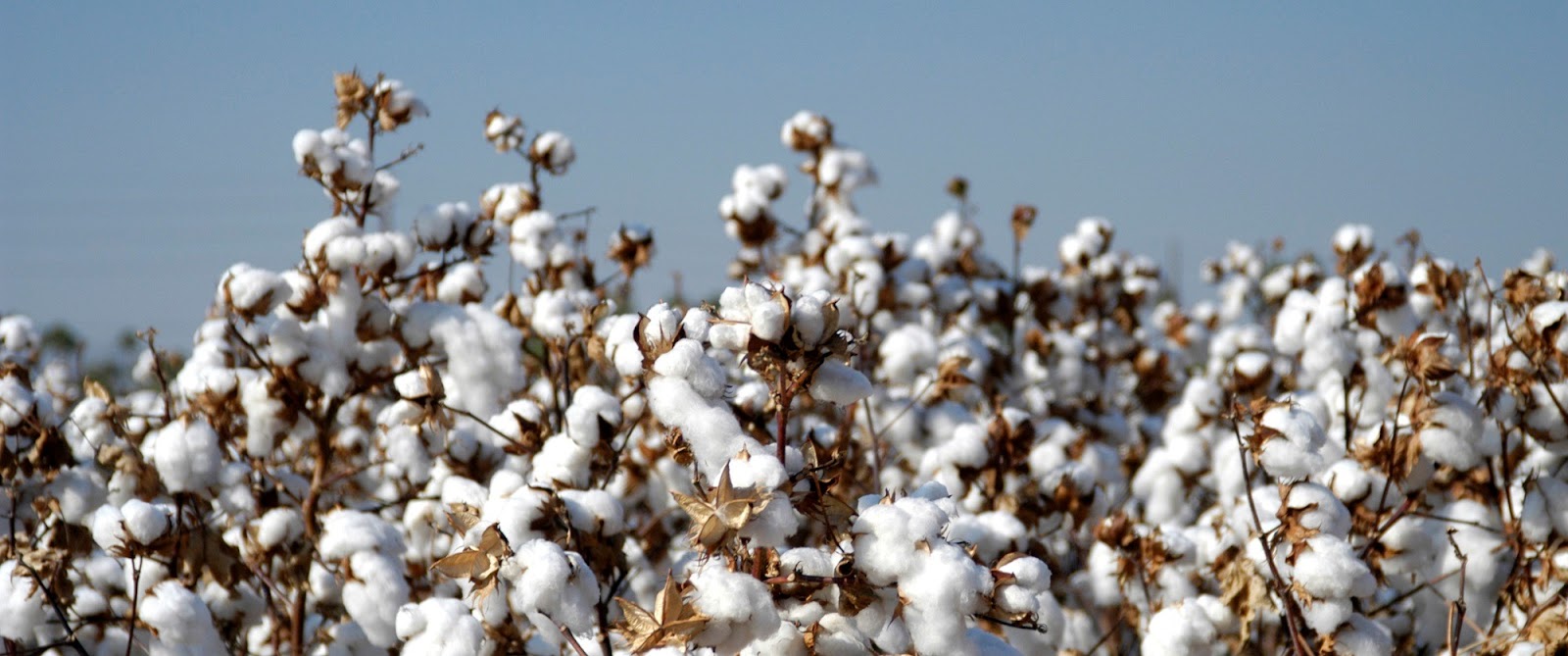
The most virulent strains of Verticillium dahliae, a pathogenic fungus known in agriculture to be the cause of wilt diseases, result in complete leaf loss (defoliation), particularly in cotton and olive trees. This leads to the death of the affected plants and, consequently, to significant crop losses. Until now, the genetic mechanisms by which Verticillium dahliae causes this leaf loss were unknown.
The researchers identified a D-pathotype–specific genomic region encoding two duplicated secreted effector genes. Simultaneous deletion of both copies abolished pathogenicity and defoliation in cotton and olive, and affected virulence in Nicotiana benthamiana and Arabidopsis thaliana.
Expression of the effector in non-defoliating strains induced cotton defoliation, and purified protein caused wilting and leaf drop.
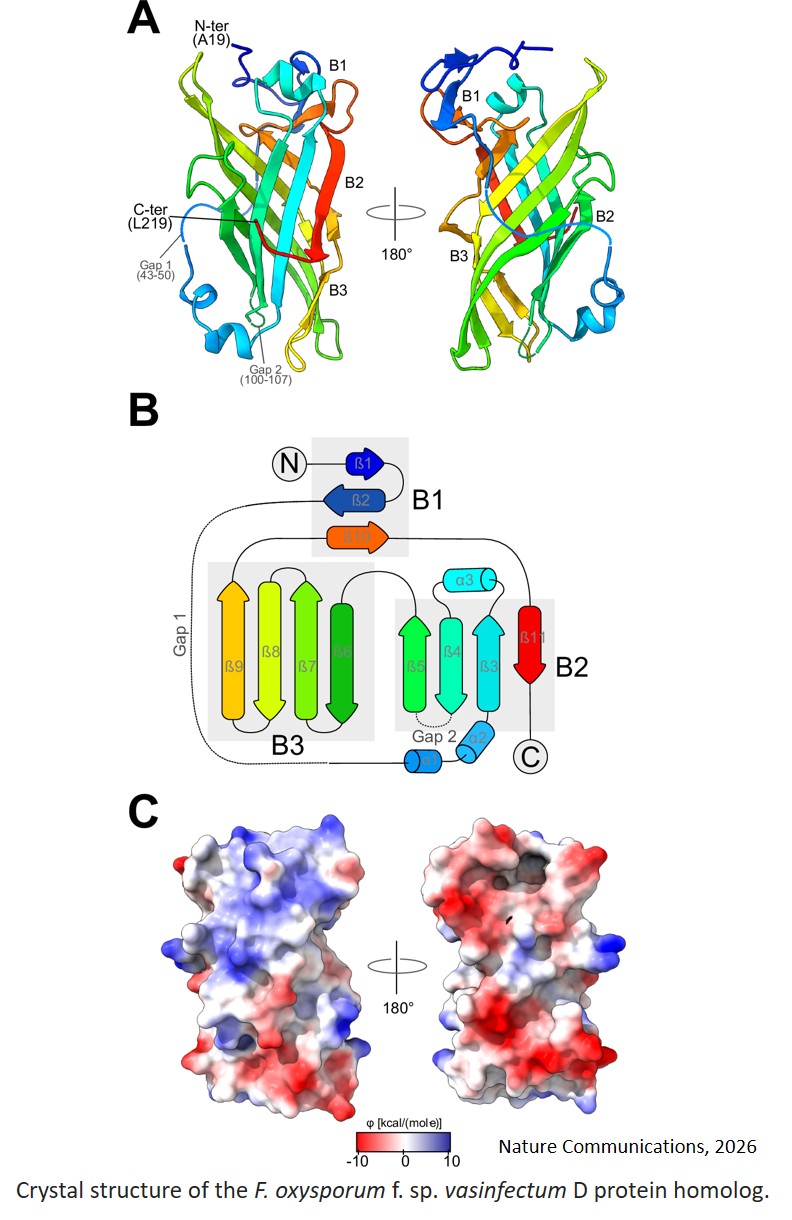
Structural analyses revealed a previously uncharacterized protein fold conserved across Verticillium and Fusarium species, with evidence of functional diversification and host specificity.
Phylogenomic and genomic context analyses indicate repeated horizontal transfer mediated by giant transposable elements known as Starships.
“The gene for the protein that causes leaf loss was discovered on a so-called ‘Starship’. These are huge mobile genetic elements that can be transferred between different species of fungus and carry genes, including the gene responsible for leaf loss,” explains the senior author. “Genetic analyses have detected remnants of a putative ‘Starship’ carrying the leaf-drop gene in several other fungi that cause wilt diseases.”
Understanding the genetic mechanisms by which Verticillium dahliae causes such an aggressive disease can contribute to the development of novel methods for controlling plant diseases – through improved, specific detection of the most aggressive isolated strains, but also through the breeding or genetic modification of resistant olive and cotton plants.