

Mechanism of diabetic drug mediated heart failure protection
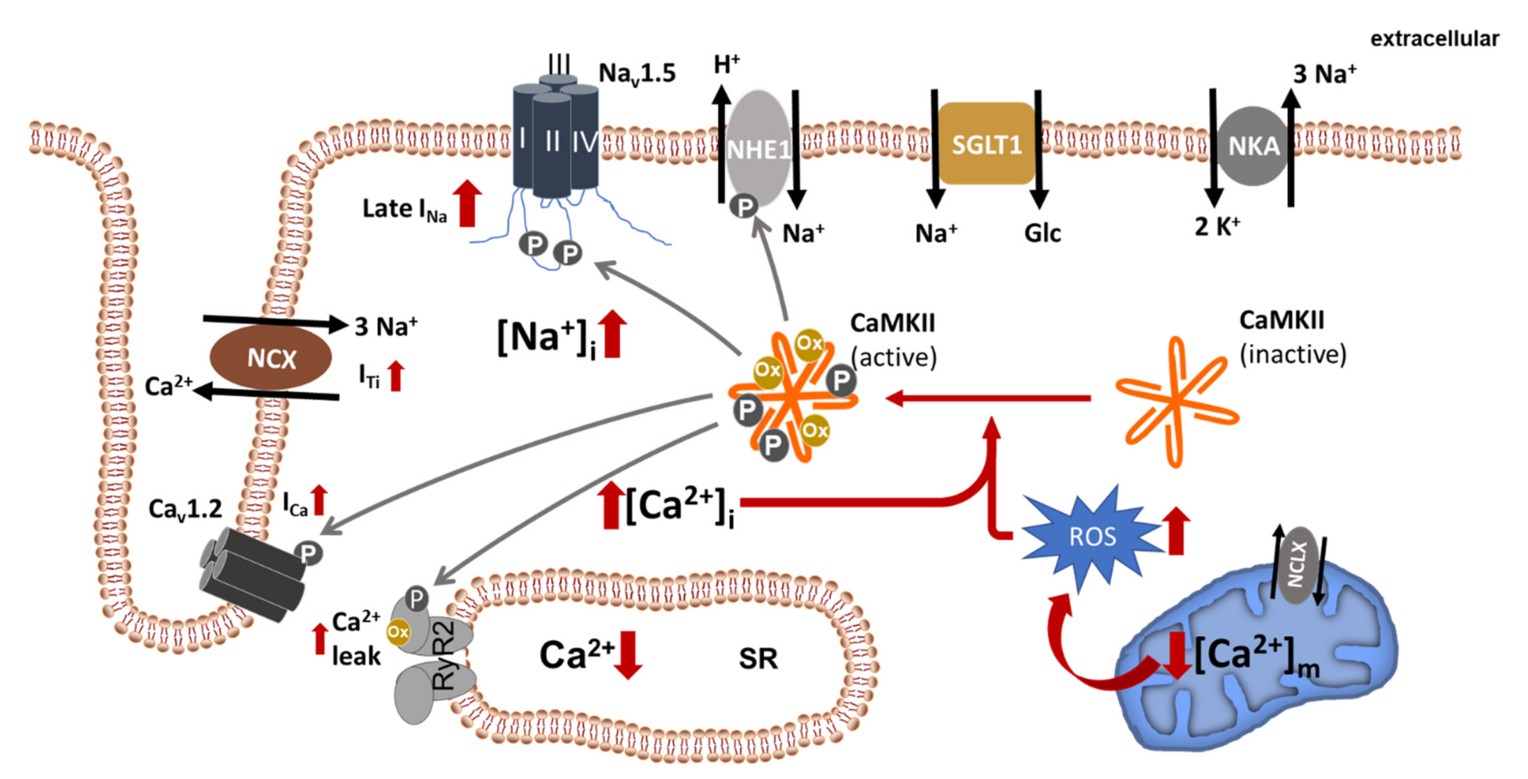
Researchers have discovered that SGLT2 inhibitors, a class of drugs originally developed to treat diabetes and now widely used for heart failure, work by activating a key enzyme that helps heart cells produce and use energy more efficiently. The study, published in Science, potentially solves a longstanding gap in knowledge about these drugs and opening the door to potential new treatments for heart failure.
The study found that SGLT2 inhibitors directly activate an enzyme called PANK1 in heart cells. This activation boosts production of coenzyme A (CoA), a molecule essential for converting nutrients into energy. Researchers found that increasing CoA production improved the ability of human heart cells to contract and relax, two critical functions that are impaired in heart failure.
"Our findings suggest these drugs are helping the failing heart restore its energy-producing capacity," said the senior author. "We identified PANK1 as a direct target of these medications and found that activating this pathway makes heart cells work better. This may explain many of the remarkable benefits patients experience with these drugs."
For years, physicians have known that SGLT2 inhibitors significantly reduce hospitalizations and deaths among heart failure patients, but have struggled to explain exactly why, because the drugs were designed to target the SGLT2 protein which is found in the kidneys, not the heart.
Using human heart tissue from transplant recipients and donors, the researchers found that SGLT2 inhibitors increased the heart's ability to use multiple fuel sources, including sugars, fats, amino acids, and ketones. The drugs also increased levels of CoA, which plays a central role in cellular energy production. To identify how that happened, the team traced the effect back to PANK1, an enzyme that regulates the first and most important step in CoA production. The researchers demonstrated that the drugs physically bind to PANK1 and activate it.
"The evidence was especially compelling when we found that activating PANK1 alone reproduced many of the benefits of the drugs, while blocking the pathway largely eliminated those benefits," said a co-author of the study. "We cannot completely rule out other contributing mechanisms, but the data strongly support PANK1 as a major driver."
The discovery may also help explain why SGLT2 inhibitors often begin benefiting heart failure patients within days of starting treatment.
Despite years of research into these medications, the role of PANK1 had gone unnoticed. "Honestly, no one thought to look," the senior author said. "Researchers knew these drugs were doing something important in the heart, but the target responsible for those effects had remained elusive."
The findings could have important implications for future drug development. While SGLT2 inhibitors are highly effective, they can cause side effects such as urinary tract infections, dehydration, and, in rare cases, diabetic ketoacidosis. "One of the most exciting possibilities is developing drugs that directly target PANK1," the author said. "That could allow us to capture the heart benefits while potentially avoiding some of the side effects associated with current therapies. We're actively working on that now."
https://www.science.org/doi/10.1126/science.aeh4856