



Widespread liver dysfunction in Down syndrome
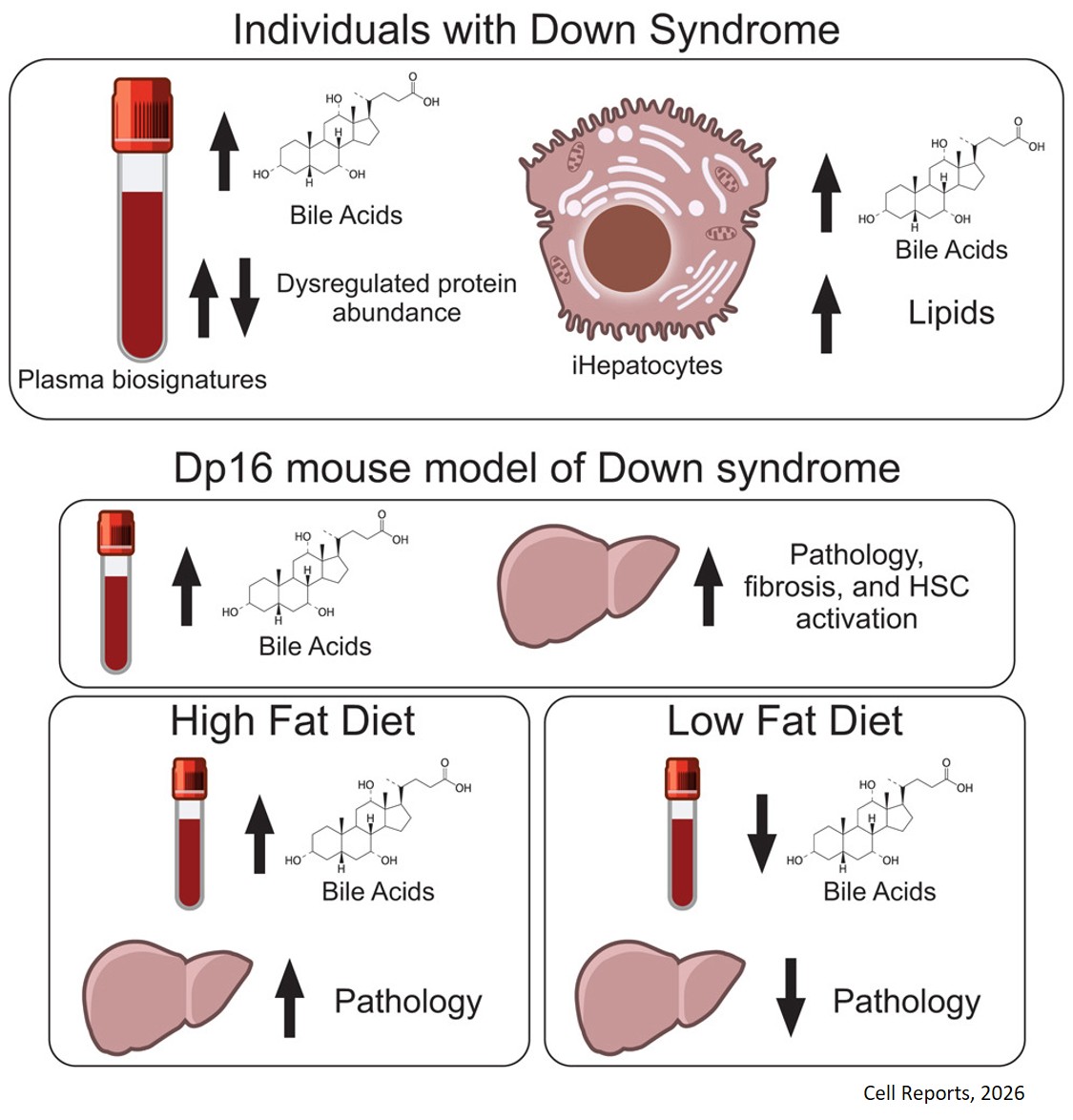
Researchers have uncovered compelling evidence that individuals with Down syndrome experience significant alterations in liver metabolism, including elevated levels of bile acids in the bloodstream and other biomarkers of liver dysfunction. The study, published in Cell Reports, suggests that these changes may be modifiable through diet, providing hope for improved health outcomes.
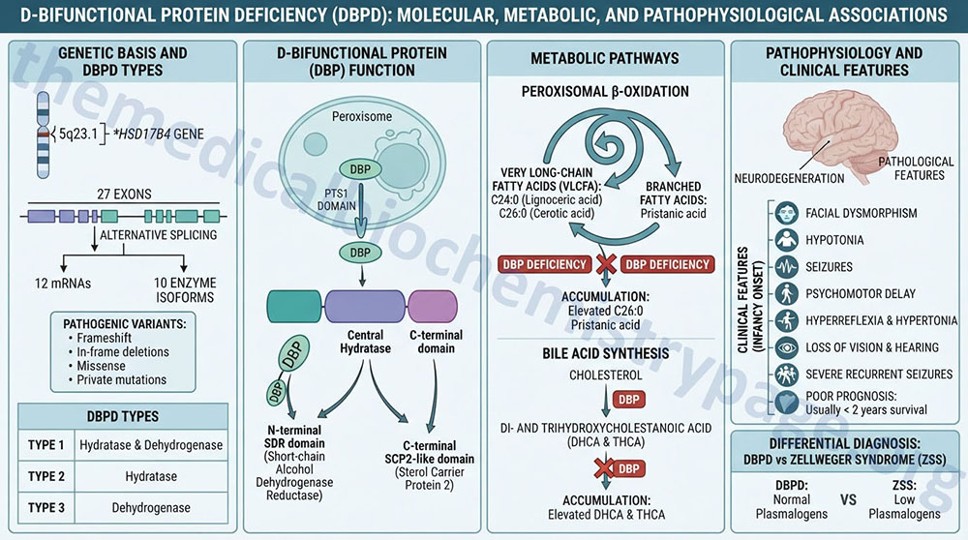
The liver is a dynamic and vital organ that removes toxins from blood, produces bile for fat digestion, metabolizes nutrients, and makes proteins for blood clotting, making it essential for detoxification, metabolism and immunity. Using multiomic analysis of plasma samples from more than 400 research participants in the Human Trisome Project, a large cohort study of the population with Down syndrome run by the Crnic Institute, the team identified consistent elevations in bile acids across the lifespan, independent of body mass index (BMI) or co-occurring conditions. Bile acids are molecules made from cholesterol in the liver that are crucial for digesting fats and fat-soluble vitamins in the small intestine, while also acting as signaling molecules that can regulate metabolism and inflammation.
The study also demonstrated that hepatocytes, the most abundant cells in the liver, derived from induced pluripotent stem cells donated by individuals with Down syndrome exhibit intrinsic metabolic dysfunction, including altered bile acid production and abnormally high fat storage. These cellular findings reinforce the systemic observations in research participants and point to a genetic basis for liver abnormalities in Down syndrome.
To better understand the mechanisms underlying liver dysfunction in Down syndrome, the researchers turned to the Dp16 mouse model, which mirrors many genetic features of Down syndrome. These mice exhibited striking abnormalities in the liver, including inflammation, fibrosis, and a ductular reaction, a phenomenon involving bile duct proliferation and remodeling of blood vessels. Metabolomic analysis revealed elevated bile acids like those observed in people with Down syndrome, and gene expression profiling uncovered widespread disruptions in metabolic and inflammatory signaling pathways. Notably, dietary fat intake profoundly influenced these outcomes: mice fed a high-fat diet developed steatosis, a form of liver disease, and exacerbated liver injury, while a low-fat diet mitigated these effects.
“Our data show that Down syndrome profoundly impacts hepatic metabolism,” says the senior author. “Importantly, we found that dietary fat intake can exacerbate or ameliorate these effects in the mouse models, suggesting that nutrition could play a key role in managing liver health in this population.”
"The study demonstrates the importance of combining human research studies with cellular and animal models to drive scientific discovery," says the lead author of the study. "These findings open the door to practical interventions, where something as simple as dietary modification could significantly improve liver and overall health."
The research team plans to explore clinical interventions, including low-fat diets and lifestyle modifications, to determine their impact on liver health in individuals with Down syndrome.
https://www.cell.com/cell-reports/fulltext/S2211-1247(25)01607-9
https://sciencemission.com/hepatic-metabolism-in-Down-syndrome