
Key protein that stops malaria parasite growth identified!
An international team of scientists has shed light on the development of the malaria parasite and have identified a unique protein essential for its survival and transmission, which offers a promising new target for antimalaria drugs.
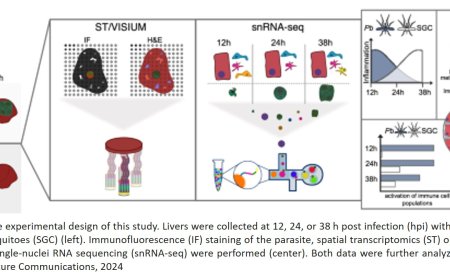
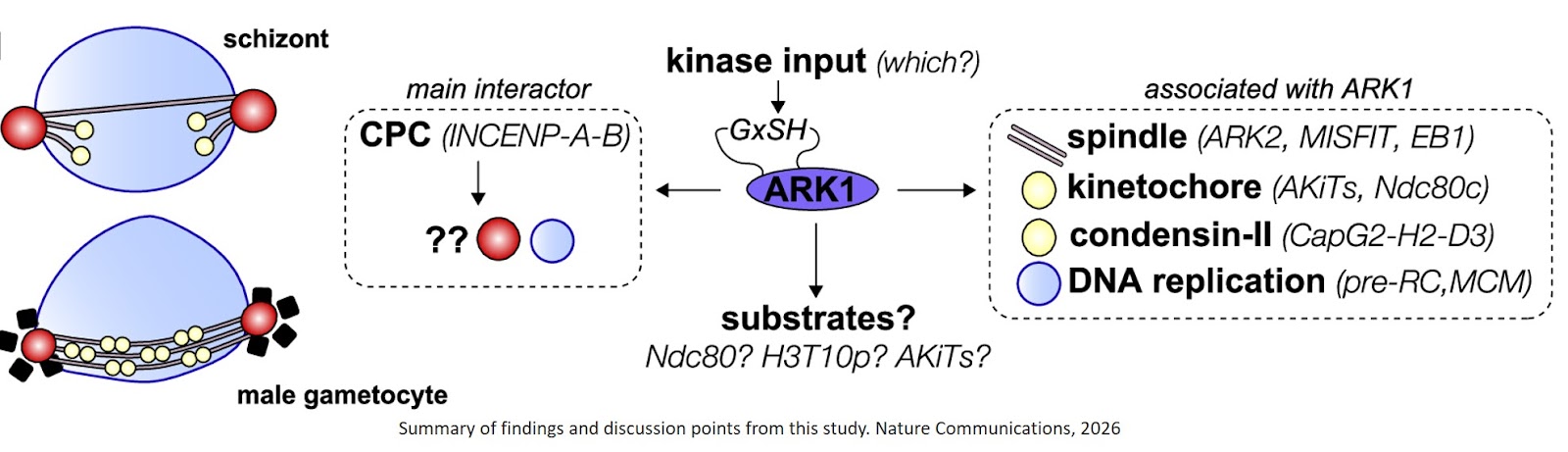
The discovery centres on a molecule named Aurora-related kinase 1 (ARK1). In a new study published in Nature Communications, researchers have revealed that ARK1 acts as a ‘traffic controller’ during the parasite's unusual cell division and growth process.
Malaria remains one of the world's deadliest diseases, caused by Plasmodium parasites that replicate rapidly within humans and mosquitoes. Understanding how these parasites divide and multiply is crucial to stopping the disease.
Unlike human cells, the malaria parasite divides and grows in a unique, atypical way. The research team discovered that ARK1 is responsible for organising the ‘spindle’ —the molecular machinery that pulls genetic material apart to create new parasites.
When the researchers turned off ARK1 in the lab, the results were striking. The parasite could no longer form proper spindles, causing its replication to fail, and crucially, parasites lacking ARK1 could not complete their development both in the host and the mosquito, effectively stopping the disease from being passed on.
“The name 'Aurora' refers to the Roman goddess of dawn, and we believe this protein truly heralds a new beginning in our understanding of malaria cell biology," said the first author of the study.
"What makes this discovery so exciting is that the malaria parasite's 'Aurora' complex is very different from the version found in human cells. This divergence is a huge advantage," another author added. "It means we can potentially design drugs that target the parasite's ARK1 specifically, turning the lights out on malaria without harming the patient."
This study maps out the unconventional molecular machinery of the parasite, providing a "blueprint" for future drug discovery efforts aimed at breaking the cycle of malaria transmission.