





Gene signature predicting lung cancer recurrence
Lung cancer is the leading cause of death from cancer. It kills more people in the U.S. than breast, prostate and colon cancer combined. When lung adenocarcinoma, the most common primary lung cancer in the U.S., grows into nearby blood vessels (a process called vascular invasion), the tumor is more likely to recur even if surgically removed. Pathologists can identify areas of vascular invasion post-operatively, but surgeons could perform more extensive surgery to lower the risk of recurrence if they could predict which tumors were more likely to have vascular invasion.
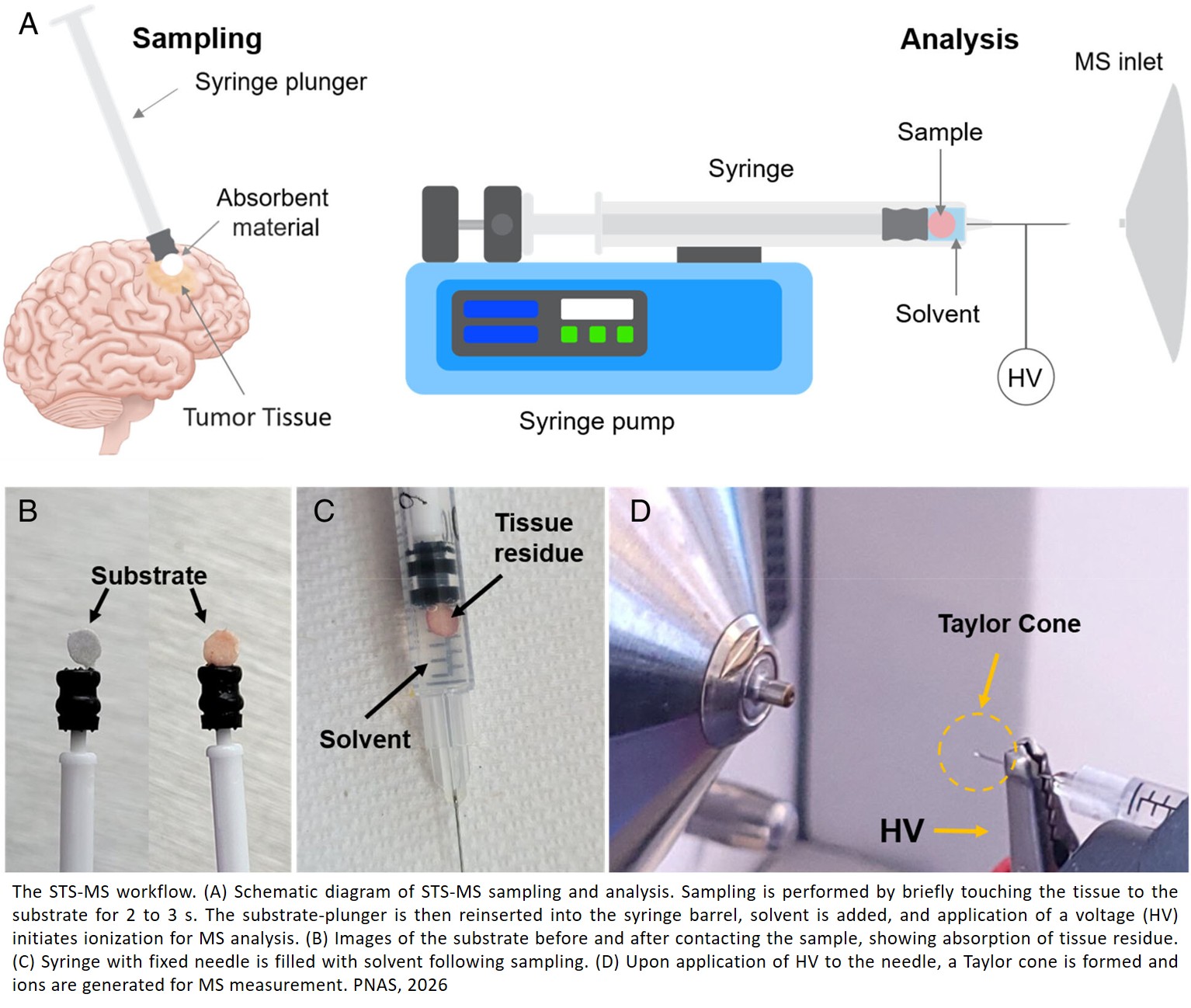
Researchers believe they have, for the first time, identified genes whose activity changes in lung tumors with vascular invasion. Additionally, they also discovered that they could detect these changes in small pieces of the tumor collected during a presurgical biopsy procedure.
“We think this is a potential game changer for patients with early-stage lung cancer,” says the corresponding author. “Our findings suggest a simple biopsy-based test could help doctors better identify patients at higher risk of recurrence and guide treatment decisions.”
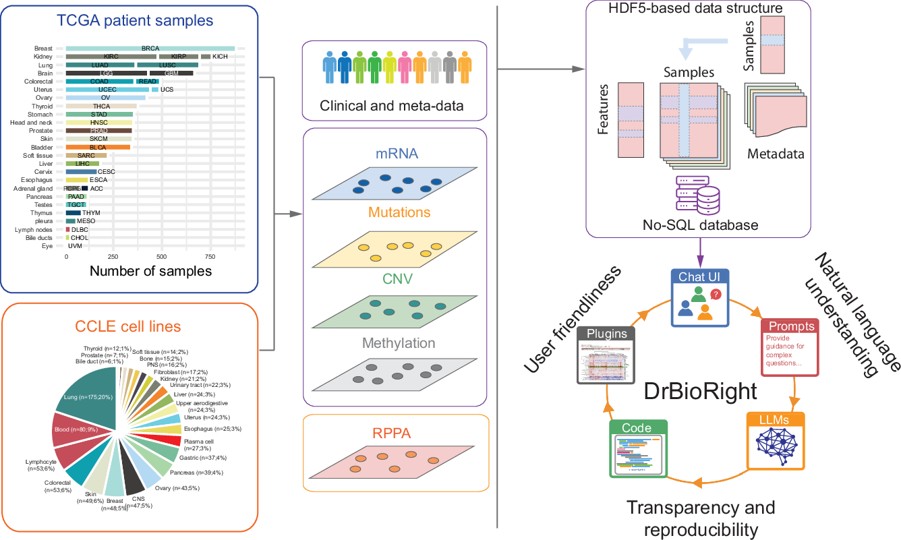
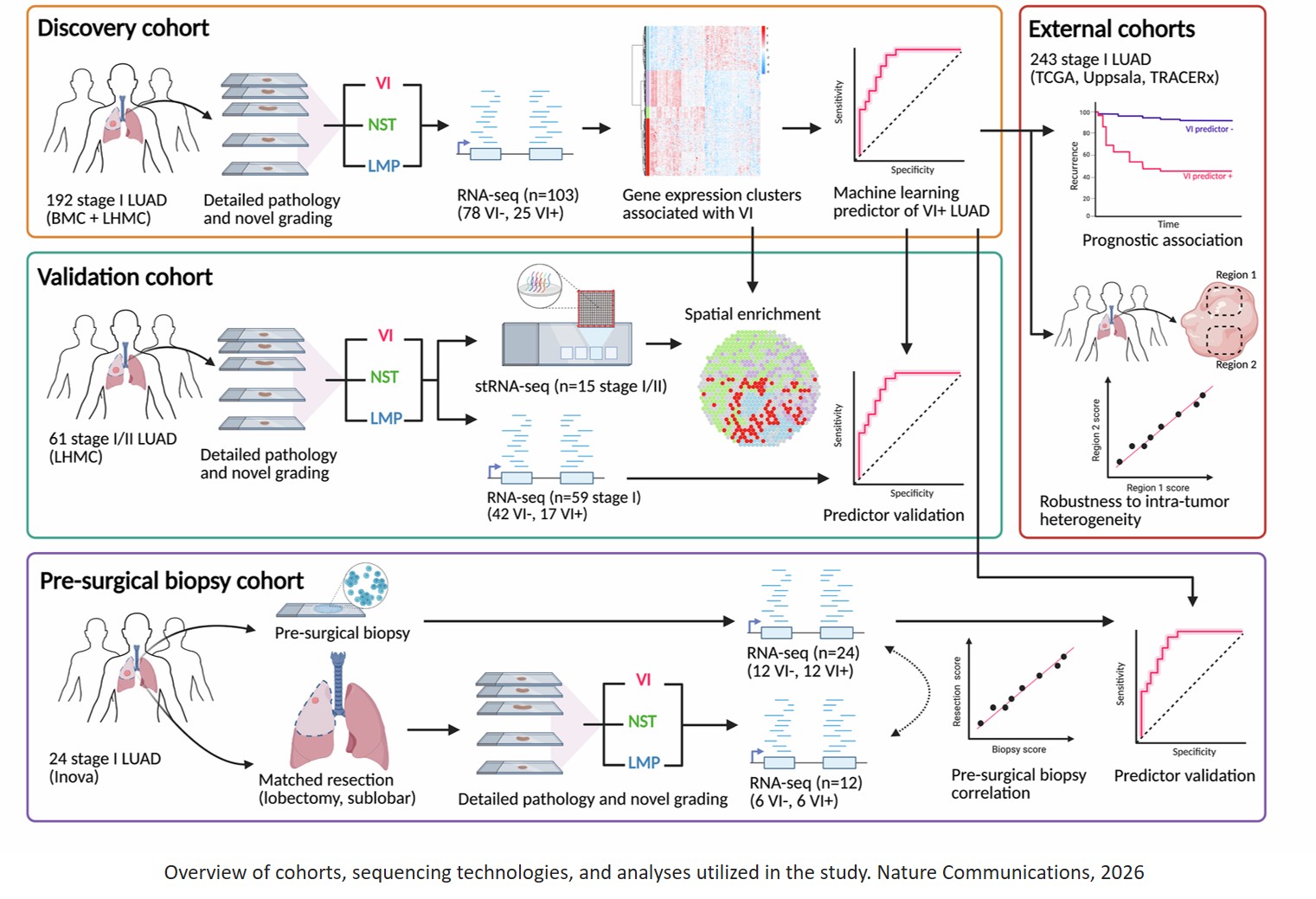
Using gene activity measurements, the researcher found more than 400 genes that differ between tumors with and without vascular invasion and confirmed these patterns in an independent cohort. They then developed and validated a machine-learning predictor that predicts whether vascular invasion is present. They found this test worked well at predicting tumor recurrence in other datasets and, crucially, gave accurate results about vascular invasion when measured in tiny biopsy samples taken before surgery.
The researchers believe this predictor will play an important role in picking a treatment matched to how aggressive the tumor is. “When lung cancer is detected early, there is a higher likelihood it can be cured. We want to get the treatment right: we don’t want to undertreat an aggressive cancer and risk recurrence, but we also don’t want to over-treat a less aggressive cancer. The ability to know this prior to surgery will allow the surgeon to choose the right surgical approach,” adds the author.
According to the researchers, there is growing evidence that vascular invasion is associated with poor prognosis in other kinds of cancer, such as breast, liver and gastric cancer. The researchers need to determine if the same genes that are active in vascular-invasive lung adenocarcinoma are altered in other cancers.
“This project began years ago due to the persistent clinical challenge: we need a better way to identify high‑risk tumors from just a biopsy. This multidisciplinary collaboration allowed us to turn that challenge into a new molecular approach that can screen early‑stage lung cancer patients for the biology linked to vascular invasion. It’s a powerful example of how clinical insight and advanced analytics can come together to improve patient care,” said a coauthor.
https://www.nature.com/articles/s41467-026-70600-2
https://sciencemission.com/Vascular-invasion-associated-gene-expression