

Keeping cells’ recycling system in balance
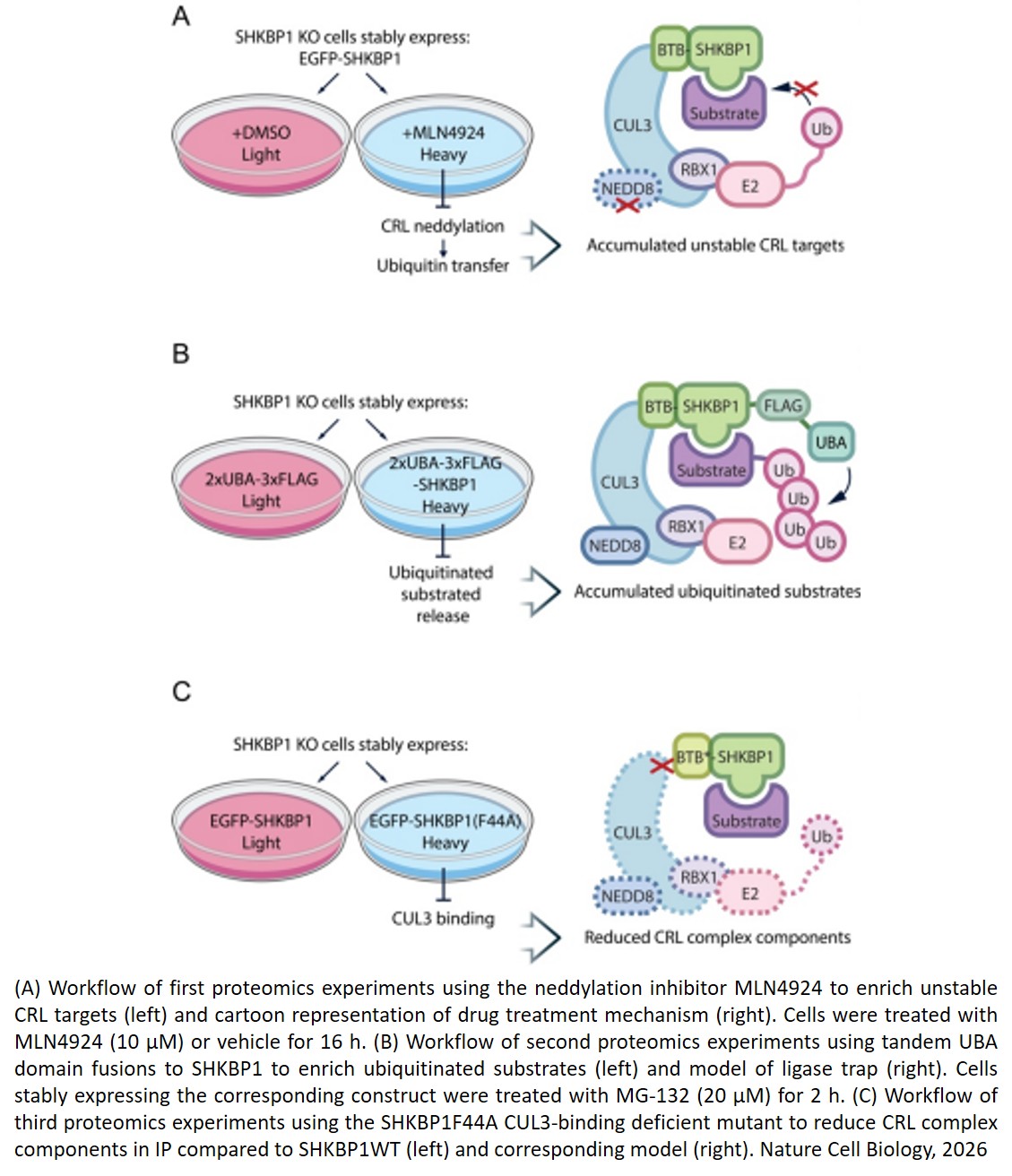
The researchers have discovered a new way cells regulate how they respond to stress, identifying an interaction between two proteins that helps keep a critical cellular recycling system in balance.
The findings show that a protein called SHKBP1 regulates another protein, p62, which plays a key role in clearing damaged cell components and activating antioxidant defenses. By helping maintain this balance, SHKBP1 allows cells to respond appropriately to stress – a process that can break down in diseases such as cancer and neurodegenerative disorders.
The study, published in the Journal of Cell Biology.
“Our cells are constantly dealing with stresses, whether from normal metabolism or specific insults from the environment,” the author said. “A protein called p62 is a central player in this recycling operation, as it gathers damaged proteins into compartments called 'p62 bodies' where they can be dealt with.”
However, the key challenge for p62 is a Goldilocks problem, the author said. With too little activity, toxic proteins can accumulate, which is seen in Alzheimer's and Parkinson's disease. With too much p62 activity, the system becomes overactive, which happens in many cancers, as cancer cells use the output of this recycling process to fuel tumor growth.
Using a combination of advanced biochemical and imaging techniques, the team sought to view how the two proteins interact inside living cells.
“What we found was that SHKBP1 binds directly to a portion of p62 that normally allows it to aggregate into large clusters, so SHKBP1 binding physically prevented p62 molecules from clustering together into large bodies,” the author said. “Removing SHKBP1 caused p62 bodies to grow larger and less fluid, while adding extra SHKBP1 made them smaller and more dynamic.”
Cells rely on a well-known antioxidant defense system called the Keap1–Nrf2 pathway to respond to oxidative stress. Under normal conditions, this system is balanced, but when cells experience stress, it switches on a protective response that helps limit cellular damage. p62 plays an important role in this process by helping remove a protein that suppresses the antioxidant response. The new study shows that SHKBP1 influences this system indirectly, by controlling how p62 behaves, helping determine how strongly the protective response is activated.
Cancer cells often hijack this pathway to survive chemotherapy, while neurons in neurodegenerative diseases may fail to activate it when needed most.
Though the research was focused on the discovery of basic cellular mechanisms, there are exciting connections to human diseases that may spur new therapeutic strategies in the future, the author said.
“Understanding how SHKBP1 influences this balance could open new therapeutic avenues,” the author said. “If loss of SHKBP1 function naturally boosts the Nrf2 response, perhaps we could develop drugs that safely inhibit SHKBP1 in the brain to provide neuroprotection.”