

Intermediate Src-kinase state that accounts for vital biological function

Scientists have characterized a hidden intermediate state at the center of Src kinase function. This hidden state allows the kinase to repeatedly modify its target, without needing to release and reattach to the target each time. The researchers showed this state is vital to T-cell activation and cell migration, emphasizing the importance of short-lived protein states to major biological processes and opening new avenues for targeting kinases therapeutically. The study was published today in Science.
Kinases act as master switches for protein function and are central to cell growth and survival. Kinases remove a phosphate group from adenosine triphosphate (ATP) and attach it to other proteins. This process, called phosphorylation, requires the kinase to move through different shapes, or states. While some discrete states of phosphorylation are well established, a research team used nuclear magnetic resonance spectroscopy to investigate the short-lived intermediate states adopted by members of the Src kinase family.
“By studying what these hidden states look like, we found that we could better explain many mechanisms of biology relating to kinases,” the senior author said.
Many biological processes, such as cell migration, rely on processive phosphorylation of a protein, in which multiple phosphates are added onto a single protein at different sites. This requires rapid removal of the adenosine diphosphate (ADP) waste from the kinase. The researchers found that Src has a hidden state that acts like a quick-release mechanism, ensuring ADP is quickly discarded from the kinase.
“These kinases have to work in a processive manner, so that once they dock onto their target, they can phosphorylate it at multiple sites in one go before they disassociate,” the author explained. “For this reason, they need to quickly release the produced ADP so that a new molecule of ATP can bind and start a new cycle.”
This ADP/ATP turnover needs to happen rapidly; otherwise, the kinase moves away too soon, and the target protein is inadequately phosphorylated. While the fleeting appearance of this hidden state explains its elusiveness, its conservation across other kinases, including Lck and Hck, underscores its importance for cell function. When the researchers eliminated this state by making targeted mutations, they found that cell migration (controlled by Src and Hck) and T-cell regulation (controlled by Lck) were significantly impacted.
“These observations show that these hidden states of kinases act to ensure the precise regulation of different cellular functions”, said the first author.
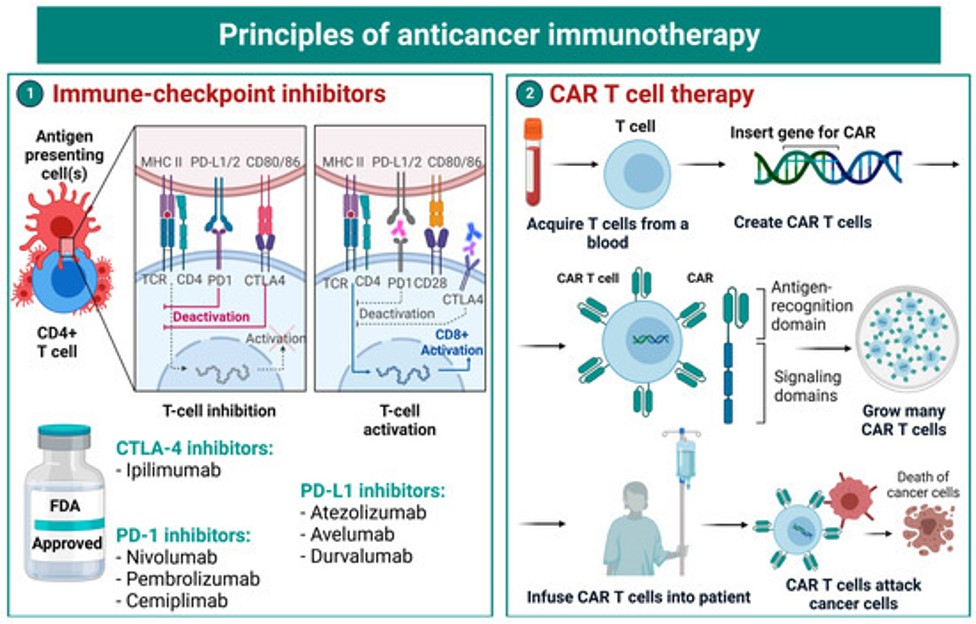
The findings expand our fundamental understanding of kinase function and set the stage for new therapeutic approaches that selectively target these newly discovered conformational states. Additionally, the hidden state may be exploited to fine-tune kinase activity within engineered systems, such as chimeric antigen receptor (CAR) T cells.
“Src kinases are vital in health and many diseases, as well as for the function of adoptive immunotherapies, such as CAR T cells, that have shown great benefit in targeting certain cancers,” said a co-author. “These insights reshape our understanding of how cellular signals are transmitted and reveal new strategies to therapeutically alter kinase activity and modulate cell behavior.”
While the study is informative for potential therapeutic approaches, the expansion of our knowledge on the kinase conformational landscape goes beyond the Src kinase family. The researchers are exploring hidden states across other kinases to understand this essential protein family better.
“It is likely that there are other hidden or invisible states that we have not yet detected,” the senior author said. “We’ve only scratched the surface — many more invisible states remain to be revealed.”