

People use same neurons to see and imagine objects
Why can images of things we have seen seem so real when we later recall them from memory? A new study sheds light on the answer.
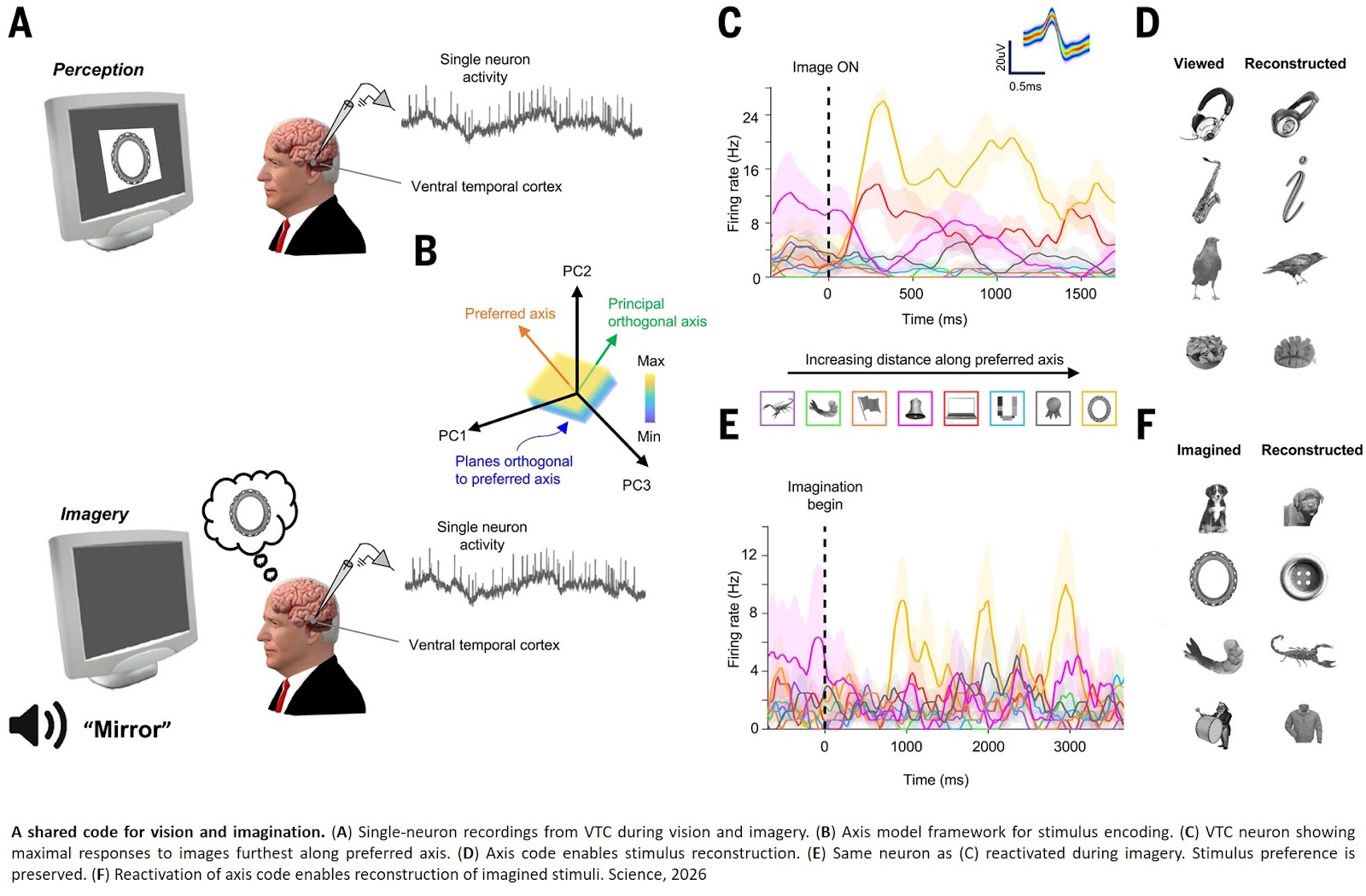
The study shows that the same brain neurons are activated when we imagine something and when we perceive something. The research is the first to provide a detailed understanding of the shared mechanism that underlies visual perception and creation of mental images in the human brain. It was published in the journal Science.
“We generate a mental image of an object that we have seen before by reactivating the brain cells we used to see it in the first place,” said the study’s joint senior author. “Our study revealed the code that we use to re-create the images.”
The findings provide a biological basis for visual imagination, a process that is also critical for creative arts.
“Further insight into this neural process has the potential to open pathways toward developing new therapies for post-traumatic stress disorder, obsessive-compulsive disorder, and other mental conditions that involve uncontrolled vivid imagery,” said a co-author of the study.
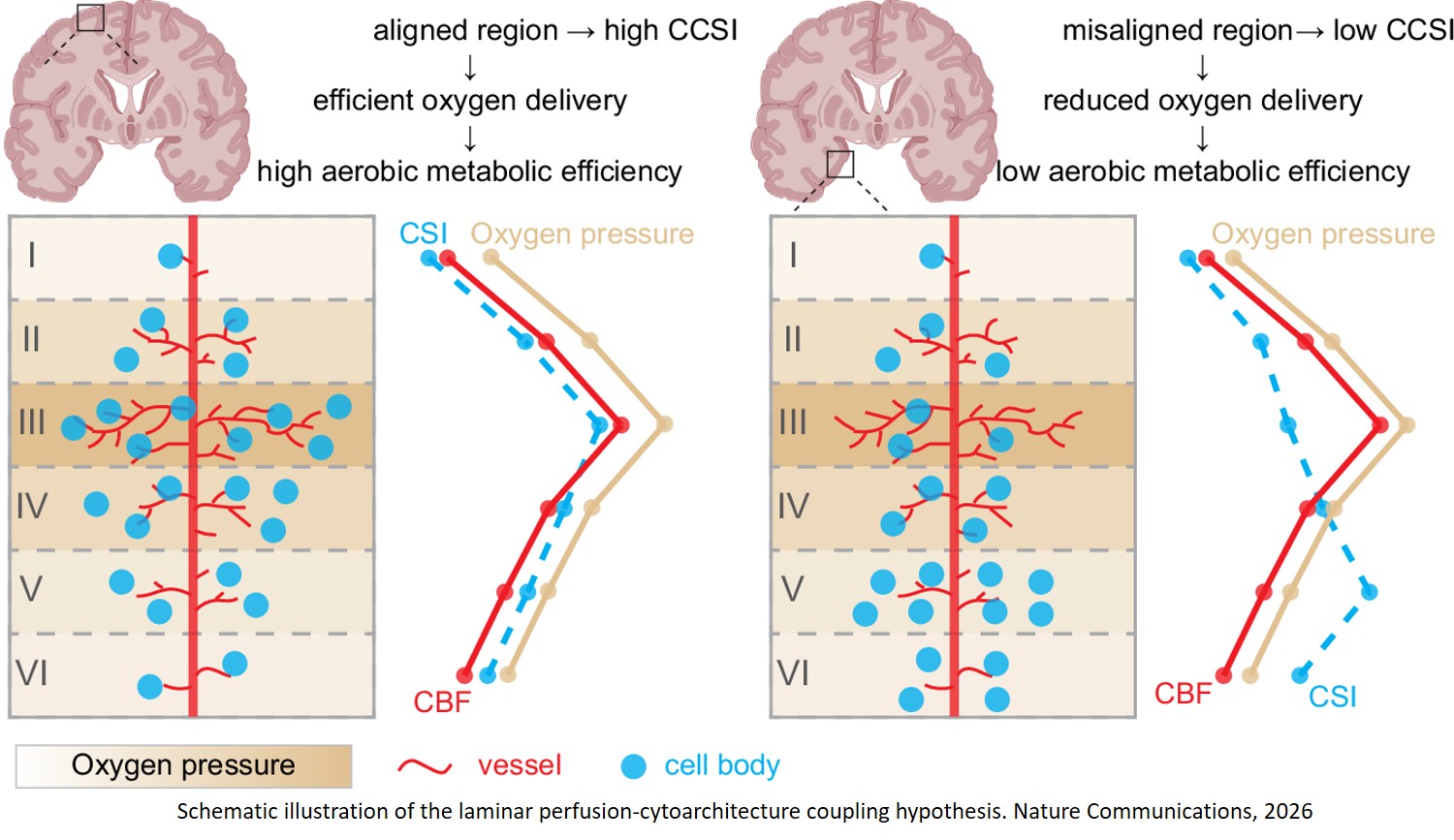
To conduct the study, investigators asked 16 adults with epilepsy, who had electrodes temporarily implanted in their brains for diagnosing their seizures, to view a series of images of faces and objects. After viewing them, a subset of the participants were asked to imagine those same images from memory.
Meanwhile, researchers recorded the electrical activity of hundreds of individual neurons in each participant’s brain.
When the patients viewed the images, neurons were activated in their fusiform gyrus, an area of the brain essential for high-level visual processing, particularly for faces. For 80% of the visually responsive neurons recorded in the study, the researchers uncovered the aspects of the images they reacted to, thereby revealing their neural code.
When the patients later imagined the images, about 40% of these neurons reactivated using the same code, thereby recreating the pattern of activity that occurred during the initial viewing of the images.
“Advanced artificial intelligence tools were critical to our investigation at all stages,” said the first author of the study. “We used deep visual neural networks to create numerical descriptions of objects so that we could understand the neurons’ code. We then verified the code by using generative AI to create never-before-seen images and correctly predict the brain’s responses to these images.”
Previously the authors had identified the neural code for object recognition in nonhuman primates. The current study reveals that the same neural code is present in humans and that it explains visual imagination.
Still to be determined are what triggers the neural reactivation the investigators found, and how memories lead to reactivation of just the right subset of neurons needed, the investigators said.
https://www.science.org/doi/10.1126/science.adt8343