

Mechanisms of serotonergic psychedelics in Autism spectrum disorder
Social-communication deficits, cognitive rigidity, and atypical sensory processing are common characteristics of autism Spectrum Disorder (ASD). Risperidone and aripiprazole treatments provide only limited symptomatic relief but do not address the underlying neurobiological mechanisms.
Dysregulated serotonergic signaling, impaired neuroplasticity, and chronic neuroimmune activation are central features of ASD pathophysiology. Psilocybin and LSD, Serotonergic psychedelics, high-affinity 5-HT2A receptor agonists modulate these core pathways.
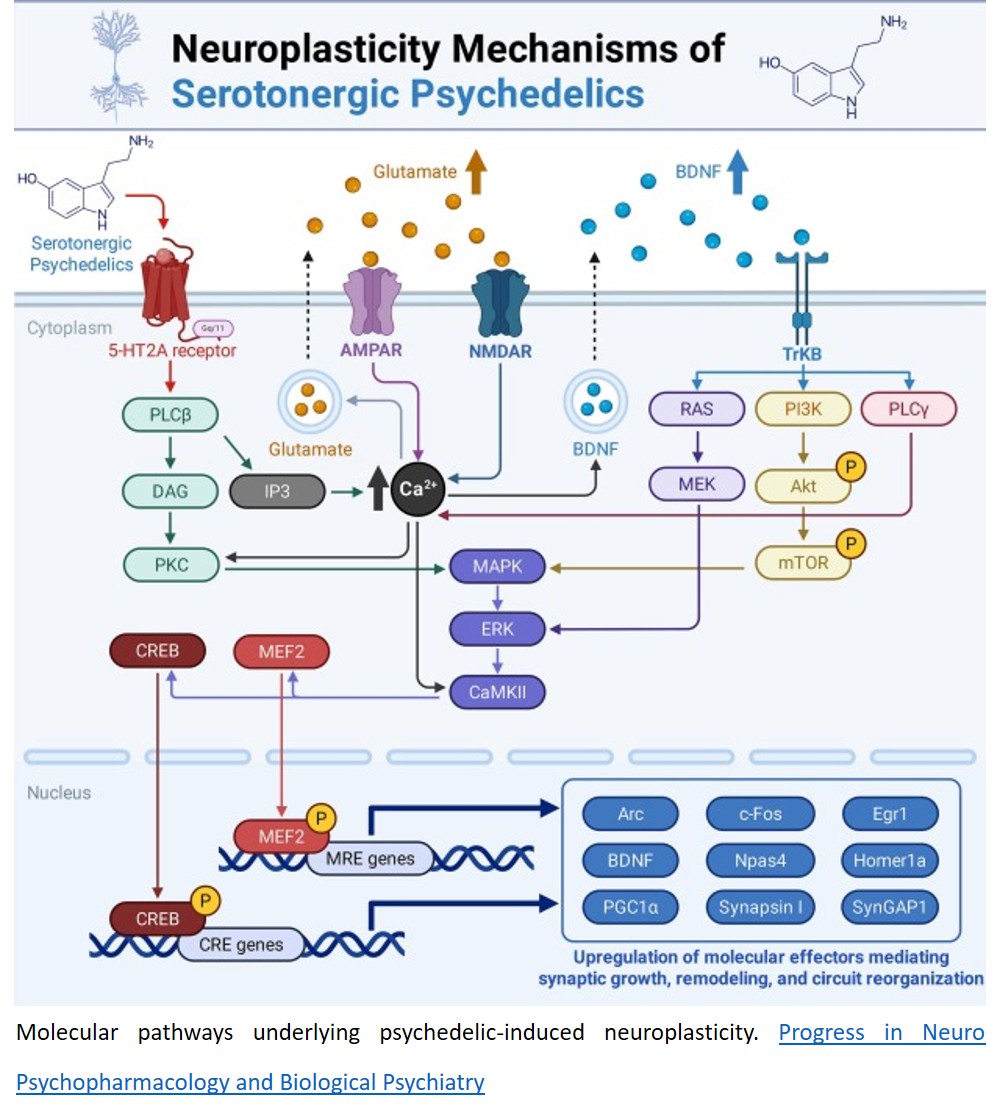
The researchers in this review, evaluate the role of psychedelics in enhancing synaptic plasticity via BDNF and mTOR signaling, suppressing pro-inflammatory cytokines and counteract the hyper-segregated connectivity commonly observed in ASD.
The authors believe that the rigorous clinical trials are urgently needed to establish safety, efficacy, and optimal developmental windows for intervention.
https://www.sciencedirect.com/science/article/pii/S0278584626001144