



The timing of trauma leaves a lasting mark on the brain and behavior
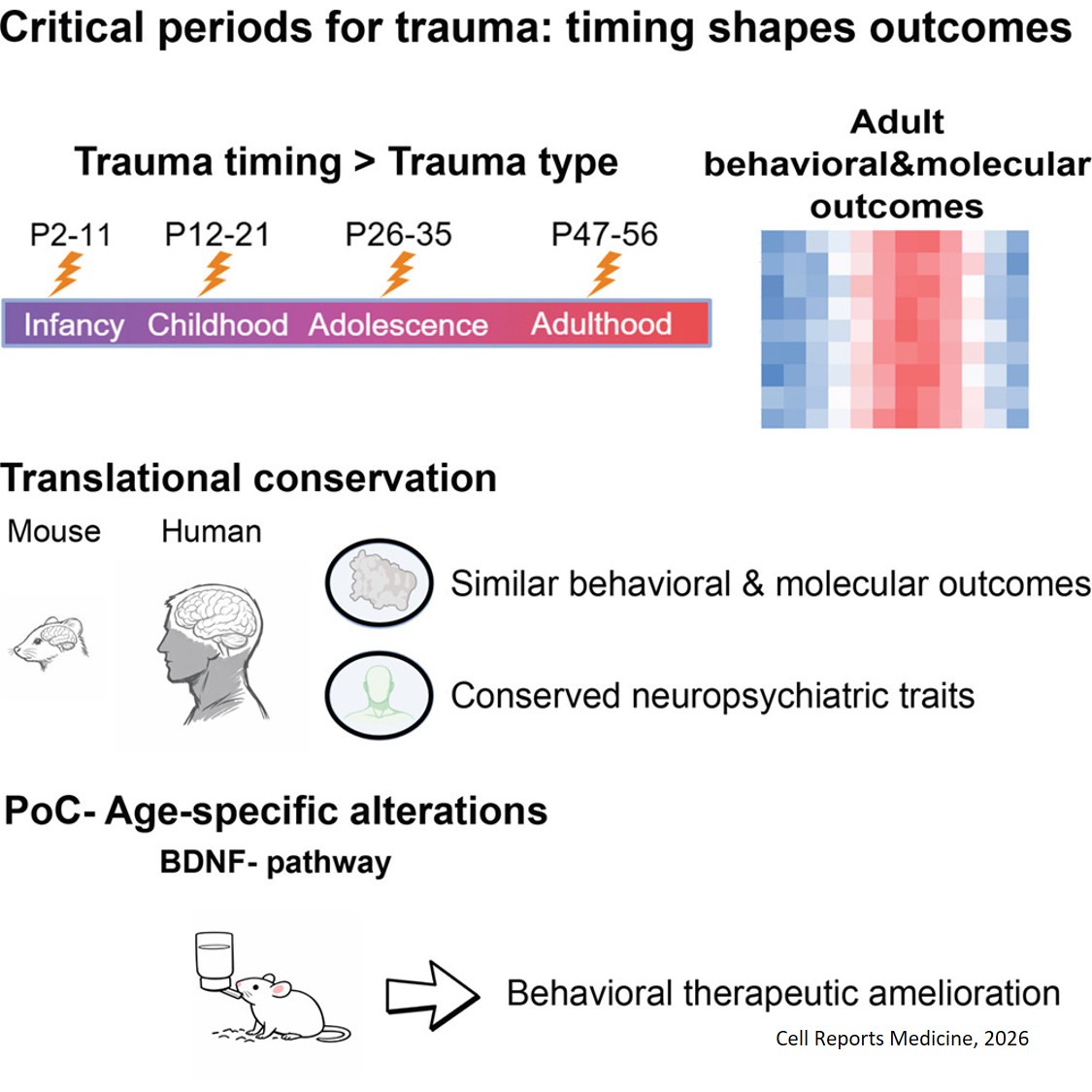
A research team has demonstrated that traumatic experiences occurring at specific stages of life — particularly from childhood through the early years following adolescence — have persistent effects on brain development and adult behavior.
It is not so much the type of trauma that makes the difference, but rather the timing in which it is experienced, which translates into dysfunctional behaviors such as aggression, depression, anxiety, and attention deficits. This discovery could pave the way for more precise and personalized treatments for certain neuropsychiatric conditions.
The work was published in the journal Cell Reports Medicine.
It is already well known that traumatic experiences increase the risk of psychiatric disorders, such as post-traumatic stress disorders (PTSD), but it remains unclear why similar events can lead to very different outcomes in different individuals. In this study, the research team demonstrates that the developmental stage at which trauma occurs — more than the type of trauma itself — plays a key role in determining distinct behavioral outcomes.
By studying mouse models and combining the findings with analyses of a patient cohort, the researchers showed that the association between trauma and behavior can be linked to different stages of brain development: early childhood, childhood, adolescence, and young adulthood. For example, trauma experienced during childhood leads to social interaction difficulties, whereas trauma during adolescence induces aggressive and dominant behaviors. Anxiety-related symptoms were observed across all cases.
Using omics and proteomic analyses, the researchers found that the impact of trauma is durably recorded in the brain, altering the function of specific regions. At the time trauma occurs, biological processes are activated in the brain that reshape its structure and function, including programmed cell death, oxidative stress, and the biogenesis of vesicles from cellular membranes. Early-life trauma primarily affects the amygdala, hippocampus, and hypothalamus, whereas later trauma mainly impacts the prefrontal cortex.
Furthermore, these studies enabled the research team to identify a potential therapeutic target: the BDNF (Brain-Derived Neurotrophic Factor) pathway, a key regulator of brain plasticity. By modulating this pathway, it may be possible to mitigate the effects of trauma when it occurs during young adulthood.
These findings suggest the existence of critical developmental windows during which the brain is particularly vulnerable to trauma, but also potentially more responsive to targeted therapeutic interventions. The hope is that these discoveries may lead to more precise treatments for psychiatric disorders arising from traumatic events, introducing a personalized medicine approach based on the age at which the trauma occurred.
https://www.cell.com/cell-reports-medicine/fulltext/S2666-3791(26)00215-6
https://sciencemission.com/diverse-developmental-trajectories