



Mitochondrial ABHD11, a drug target in T-cell-mediated inflammation
A new study has revealed a new way to potentially treat certain autoimmune diseases by targeting a protein that helps regulate energy production in immune cells.
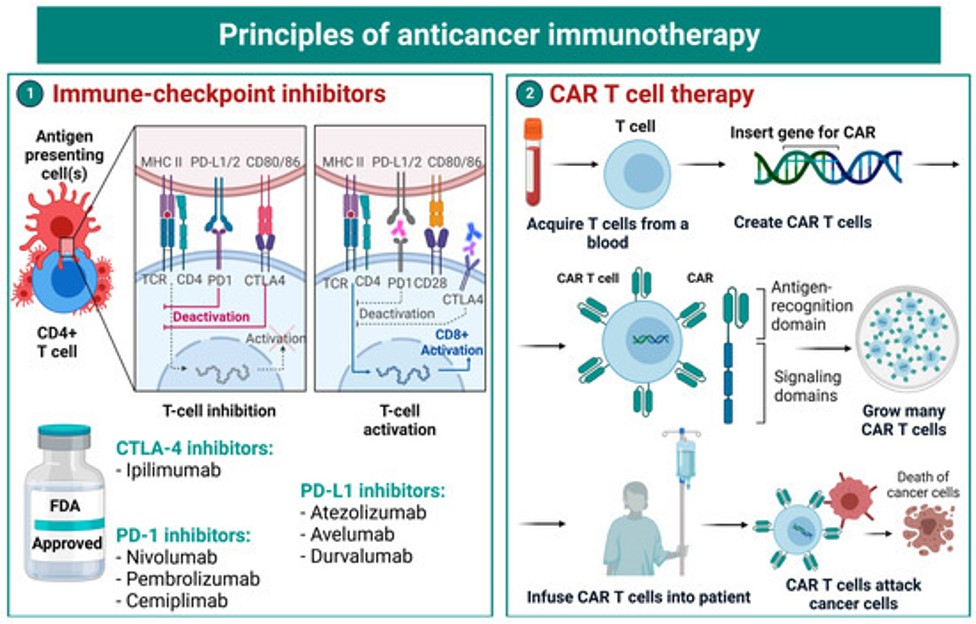
Autoimmune diseases, such as rheumatoid arthritis or type 1 diabetes are driven by immune cells called T-cells, which are normally responsible for protecting the body from infections. However, in autoimmunity, these T-cells mistakenly start attacking the body’s own tissues.
When T-cells normally respond to infections, they undergo changes in their metabolism (which is the ability to process dietary fuels like sugar and protein) to help them carry out their immune response. In autoimmune diseases like rheumatoid arthritis or type 1 diabetes, these changes go awry, causing the T-cells to harm the body. By targeting the metabolic changes in these T-cells, it could be possible to find new treatments for this condition.
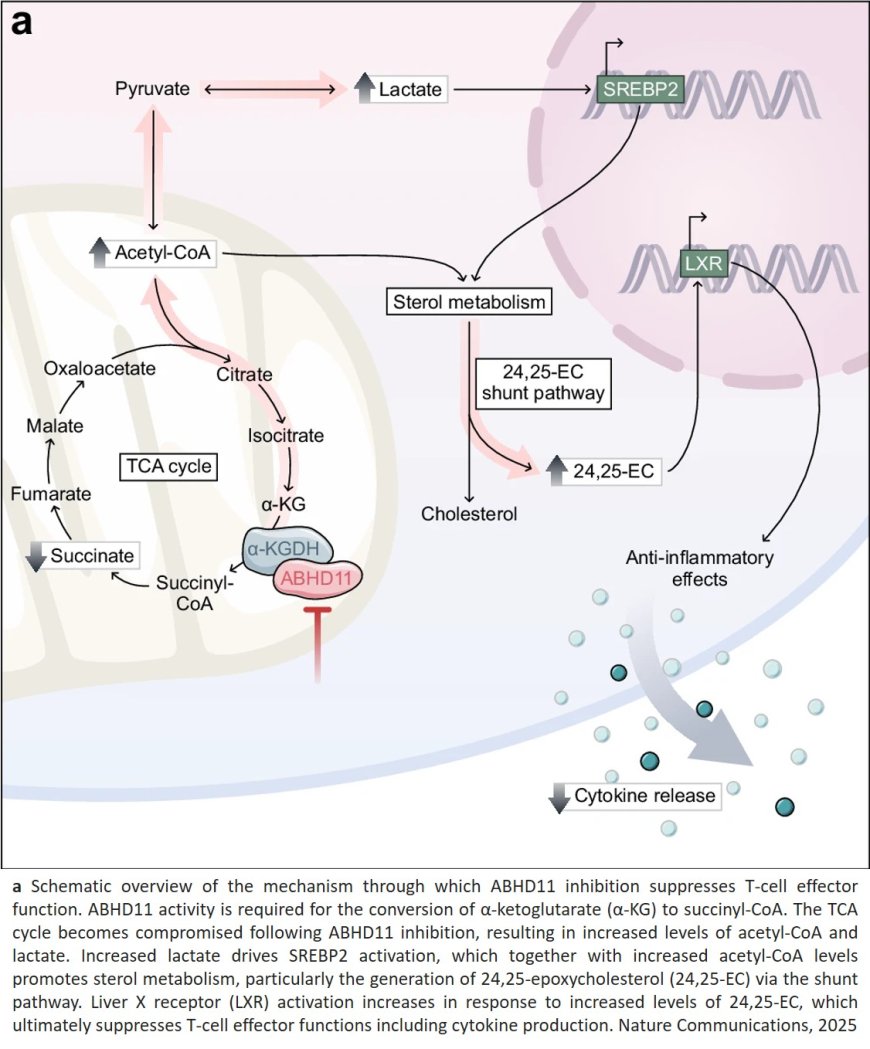
The new research, published in Nature Communications, has revealed that a protein called ABHD11, found in the mitochondria (the cell’s engines that power an immune response), plays a key role in regulating T-cell overactivity. Researchers, studying immune cells from the blood of individuals living with and without type 1 diabetes or rheumatoid arthritis, have found that using a drug to stop the ABHD11 protein from working reduces inflammation by minimising T-cell over-activity, limiting their production of inflammatory signals.
The research also observed that blocking ABHD11 with the drug delayed the development of type 1 diabetes, offering hope for future therapies aimed at controlling autoimmune conditions.