


Why APOE4 carries higher risk of developing Alzheimer’s disease

Researchers have identified why the gene APOE4 carries a significantly higher risk of developing Alzheimer’s disease – a major breakthrough for possible treatment. The study also proves, for the first time, that brain cells can change their “diet” as we age.
It turns out the gene prevents cells from utilizing alternative energy sources when they are no longer able to absorb glucose — a discovery that could pave the way for entirely new treatment options in the future.
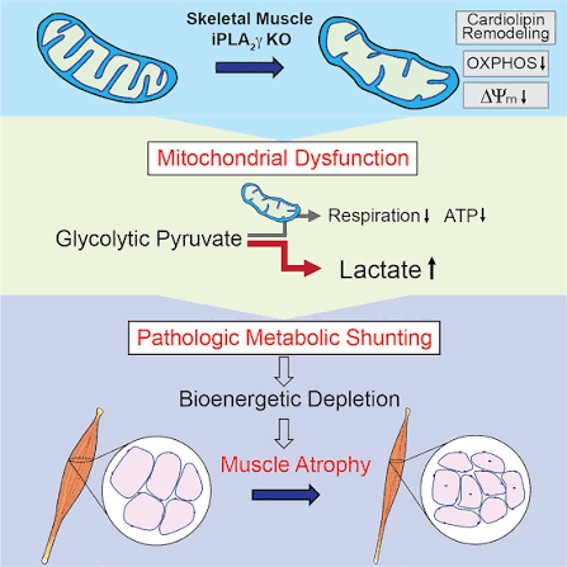
As we grow older, our brain cells slowly lose the ability to efficiently use glucose for energy production - an essential tool for our brain’s health. New research now proves for the first time that the cells can instead switch to lipids to survive, explains the senior author.
“The ability to use glucose diminishes in the aging brain, forcing nerve cells to use alternative sources for energy production. Our research now documents that this alternative energy source is lipids,” the author explains.
The research provides groundbreaking new insight into why we may develop Alzheimer’s as we age – and especially why the specific “Alzheimer’s gene” APOE4 increases the risk so significantly. It simply blocks the nerve cells from utilising the alternative energy source – lipids – when their normal supply of glucose decreases.
“By using transgenic mouse models and stem-cell-derived human brain cell models, we uncovered that the pathway enabling nerve cells to burn lipids for energy production doesn’t work with APOE4, because this APOE variant blocks the receptor on nerve cells required for lipid uptake,” explains the author.
Sortilin (SORT1) is a lipoprotein receptor that shows genome-wide association with hypercholesterolaemia, Alzheimer disease and frontotemporal lobe dementia.
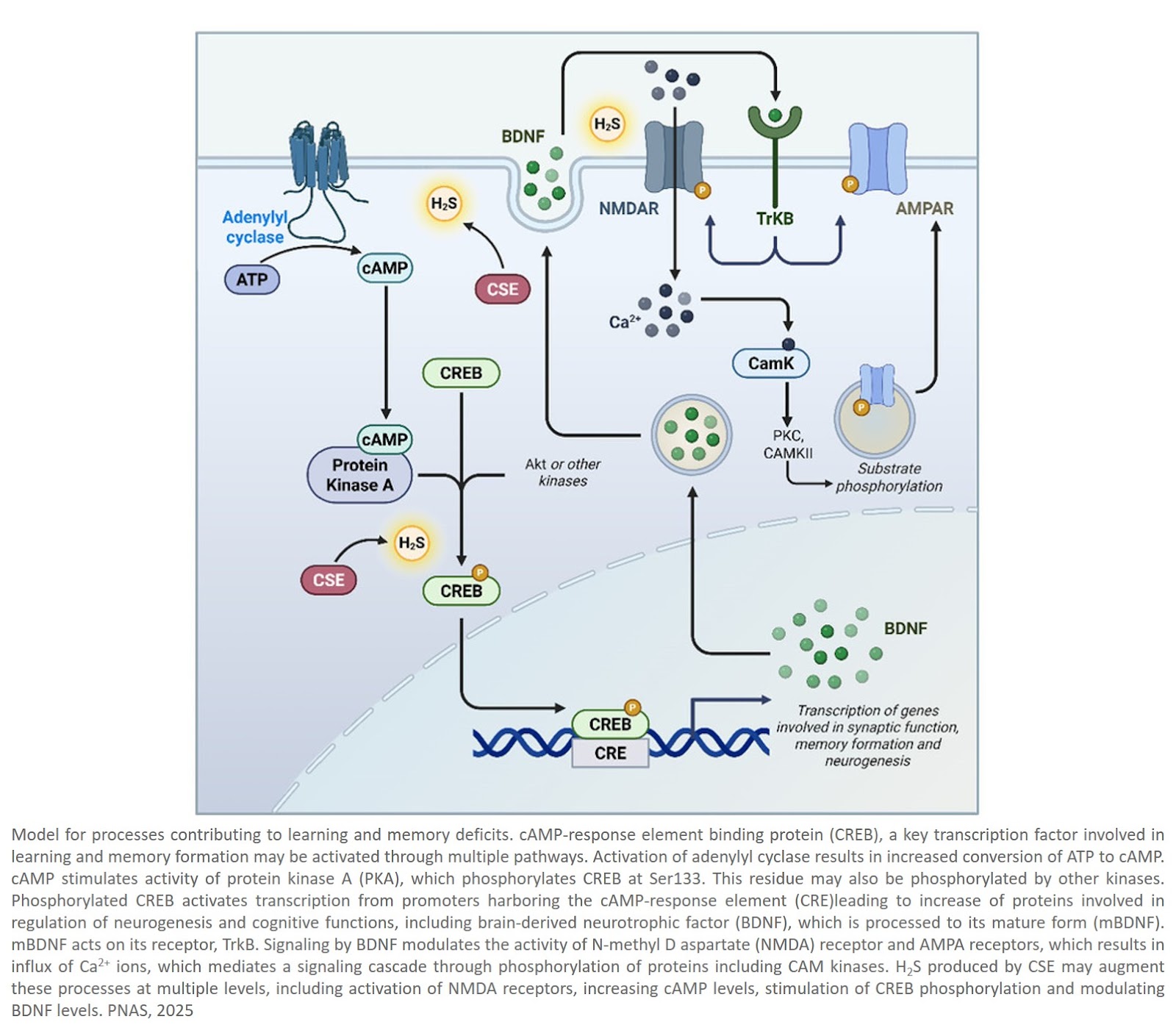
The researchers show that sortilin mediates neuronal uptake of polyunsaturated fatty acids carried by apolipoprotein E (apoE). They also demonstrate that internalized lipids are converted into ligands for peroxisome proliferator-activated receptor alpha inducing transcription profiles that enable neurons to use long-chain fatty acids as metabolic fuel when glucose is limited.
This pathway works with apoE3 but cannot operate with the Alzheimer disease risk factor apoE4, which disrupts sortilin’s endocytic activity.
Around 163 million people globally carry two copies of the gene – most recently brought into the spotlight when actor Chris Hemsworth revealed that he also carries the variant. But until now, it has not been known exactly why this variant of the APOE gene carries such a high risk of Alzheimer’s, Willnow explains.
“Our research shows that the brain is highly dependent on being able to switch from glucose to lipids as we age. So those individuals who are carriers of the APOE4 gene variant – which seems to inhibit that ability – are naturally at a much higher risk.”
But the author cautions carriers not to panic. The research results also point to both hope and – down the road– possible treatments.
“First of all, being a carrier of the gene heightens the risk but does not equal developing Alzheimer’s. One thing we can all do is live healthier. We know that a healthy body, to a large extent, equals a healthy brain. Although not proven in patients yet, our data also suggest that providing more healthy lipids for the cells to thrive – especially poly-unsaturated fatty acids in vegetable or fish oil, may help. Even cells that work poorly will function better when given more fuel.”
And maybe the treatment is already out there, says the author.
“Now that we know why this decrease in brain health happens, we can start to look at how to prevent or delay it. There are already drugs on the market that specifically target the body’s ability to utilise lipids – it might be that one of those drugs can actually be used in the treatment, or even prevention, of Alzheimer’s. I am very hopeful that might be the case.”
Repurposing existing drugs is a well-known approach in the search for new treatments, since drugs are only approved for the diseases, they have been researched and tested against – but many may work for other conditions as well. However, getting approval for new uses requires rigorous research and testing, and that’s where the team now hope to focus their efforts.
“We need a proof of concept, and we can hopefully find that by using human-derived cell models from stem cells. If we restrict their access to glucose but trigger their survival by improving their ability to use lipids instead, we suddenly have – if not a cure – then at least a form of treatment for Alzheimer’s” the author says.
https://www.nature.com/articles/s42255-025-01389-5
https://sciencemission.com/Interaction-of-sortilin-with-apo-E3