


Autoimmune diseases from mitochondrial dysfunction in myeloid cells
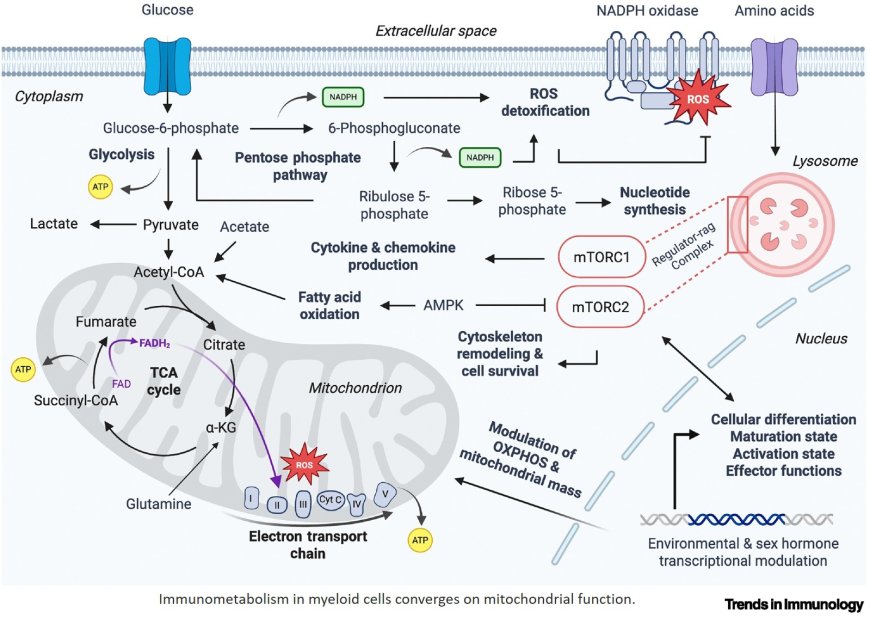
Mitochondrial dysfunction in myeloid cells is increasingly recognized as a core feature of many autoimmune diseases.
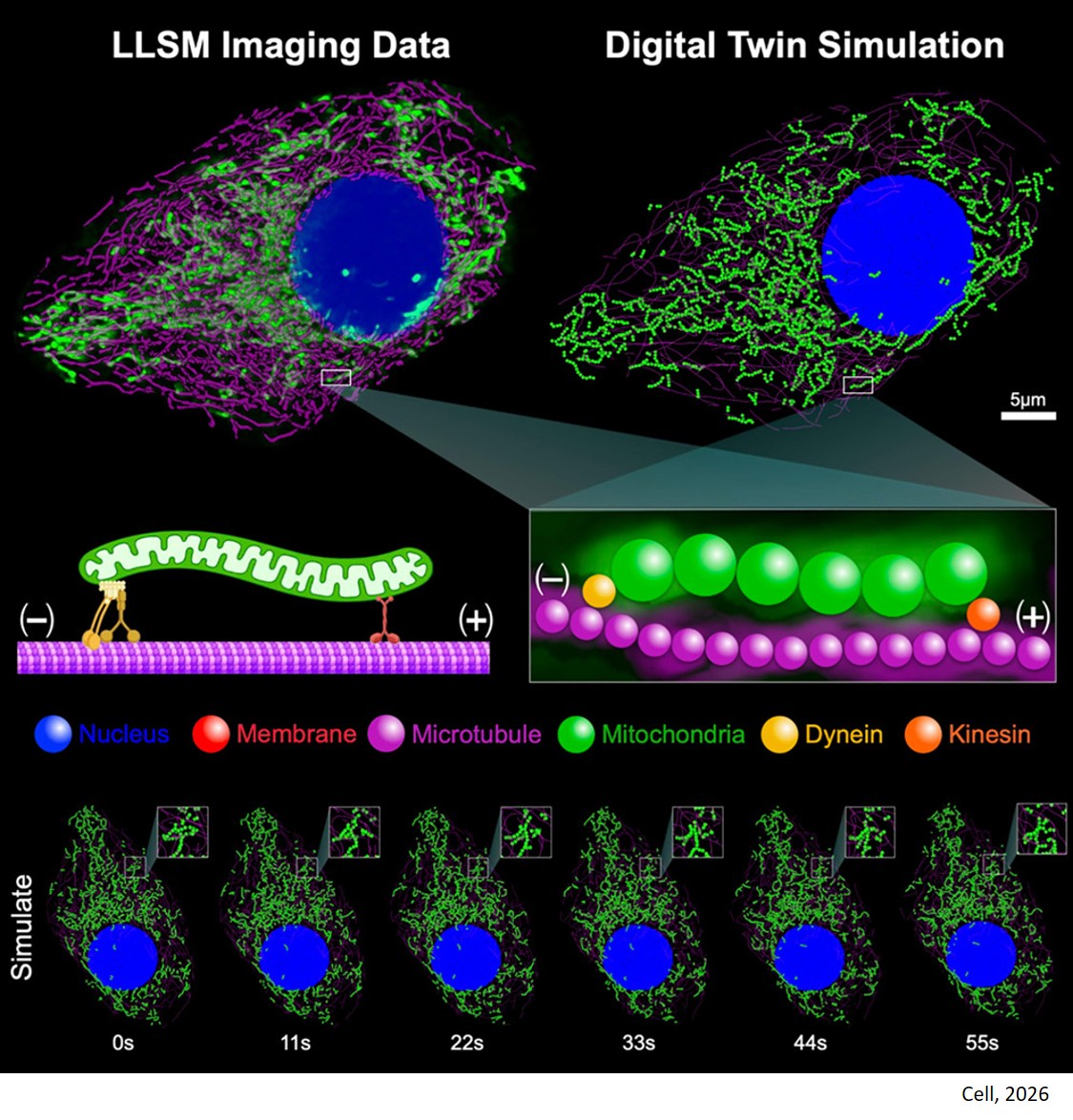
Myeloid cells are highly dependent on mitochondrial integrity to regulate energy metabolism and deliver appropriate effector responses.
Both genetic predisposition and environmental factors influence the susceptibility of mitochondrial dysfunction during the early stages of autoimmunity.
Mitochondrial impairment leads to broad disruptions in myeloid cell bioenergetics, hyperactivation of inflammatory pathways, and the release of immunogenic danger signals.
In established autoimmunity, myeloid cells exhibit maladaptive features suggestive of functional exhaustion, senescence, and epigenetic reprogramming consistent with trained immunity.
https://www.cell.com/trends/immunology/fulltext/S1471-4906(25)00201-7
https://sciencemission.com/Mitochondrial-dysfunction-in-myeloid-cells