




Mitochondria keep immune cells “ready to respond”
Researchers show that active mitochondria maintain dendritic cells, the immune system’s sentinels, in a “ready-to-respond” state, linking cellular metabolism to gene regulation and T-cell activation.
The findings, published in Cell Metabolism, open new avenues to improve vaccines and cancer immunotherapy.
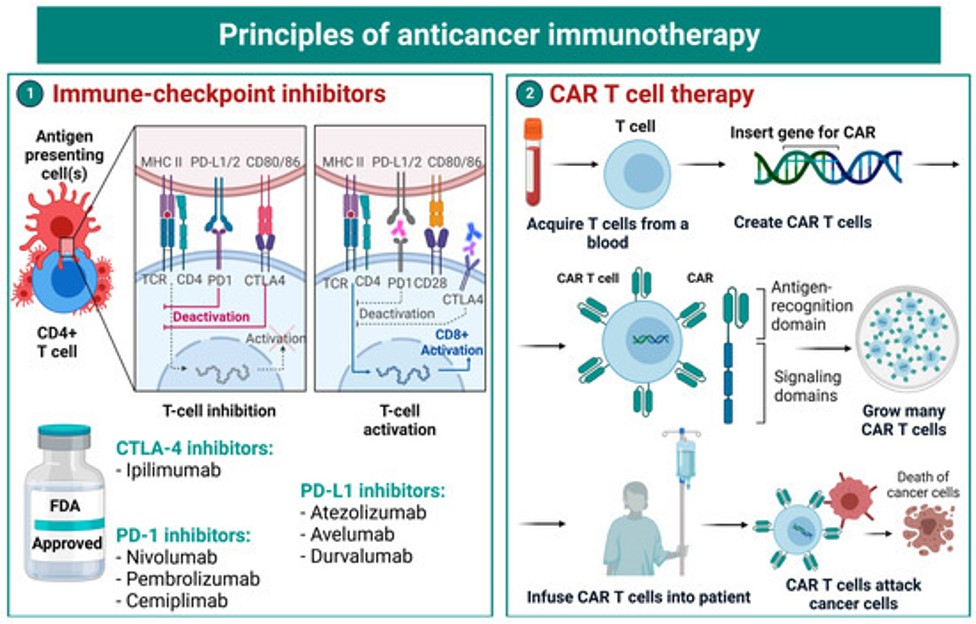
Dendritic cells play a central role in immunity: they detect threats and activate T cells to fight infections and tumors. Understanding how these cells are regulated is crucial to both enhance immune responses and counteract their dysfunction in diseases such as cancer.
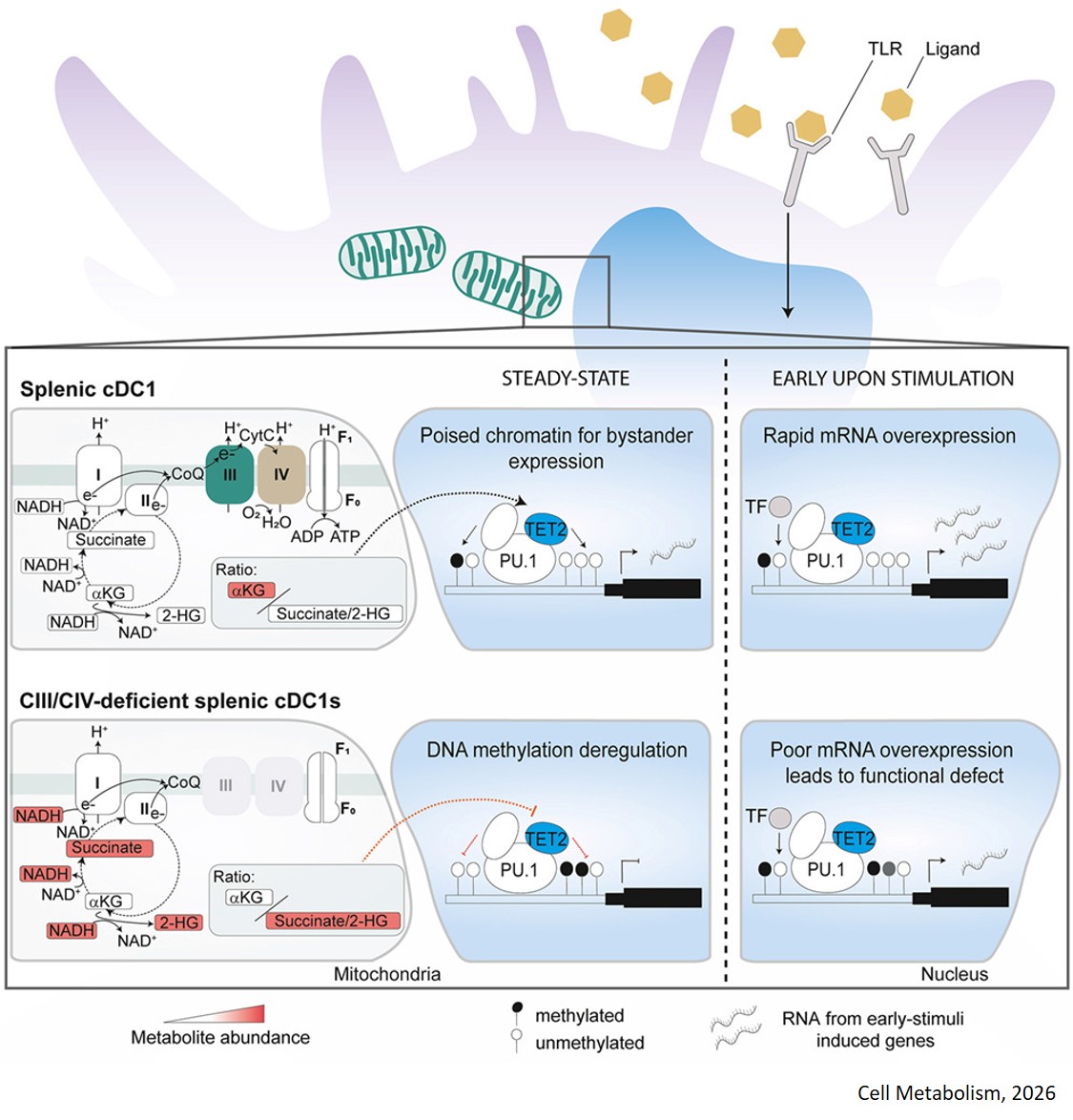
The study reveals that a specific mitochondrial process, the flow of electrons through the respiratory chain, is essential to keep these cells primed. This challenges the long-standing view that mitochondria play only a minor role during dendritic cell activation.
“Our findings show that mitochondria do much more than produce energy, they keep dendritic cells in a ‘ready’ state, allowing them to respond rapidly to threats such as tumors,” explains the author.
Focusing on a specialized subset known as cDC1, which excels at activating tumor-killing T cells, the researchers used genetically modified mouse models and human dendritic cells to dissect mitochondrial function. Surprisingly, they found that immune readiness does not depend primarily on energy production (ATP), but on maintaining electron flow through the mitochondrial chain.
“What is remarkable is that this process is not about energy production, but about preserving the cell’s internal balance, which directly shapes how genes respond to danger signals,” says the author.
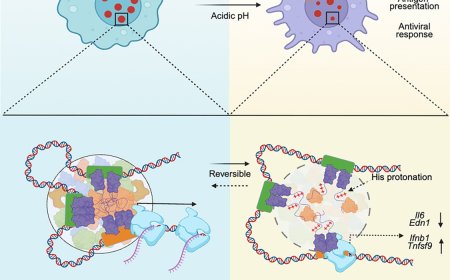
This electron flow preserves the cell’s internal chemical balance, including redox state and metabolite levels. In collaboration with experts in epigenetics, the team showed that disrupting this balance alters DNA methylation patterns at key regulatory regions, molecular switches that enable rapid gene activation. The enzyme TET2 emerged as a critical player, and its activation, for example with vitamin C, enhanced dendritic cell function in experimental models.
Functionally, impaired electron flow had major consequences: dendritic cells showed reduced activation, diminished migration to lymph nodes, and a weakened ability to stimulate T cells. As a result, anti-tumor immune responses were compromised.
“These results highlight metabolism as a key regulator of immune function and suggest new strategies to boost dendritic cell activity in cancer and other diseases,” adds the author.
Importantly, the researchers demonstrated that restoring electron flow could rescue these defects. By introducing an alternative enzyme (AOX), they reinstated mitochondrial function without increasing energy production, recovering the cells’ ability to activate T cells and control tumor growth in mice.
These findings identify a previously unrecognized “electron flow checkpoint” that governs immune cell readiness. Targeting this metabolic pathway could enhance dendritic cell-based therapies, particularly in cancers where immune activation is impaired.
The study highlights metabolism as a powerful lever to fine-tune immune responses and paves the way for new strategies in immunotherapy and vaccine development.”.
https://www.cell.com/cell-metabolism/fulltext/S1550-4131(26)00106-3