


ROS as drivers and destroyers of high-grade glioma
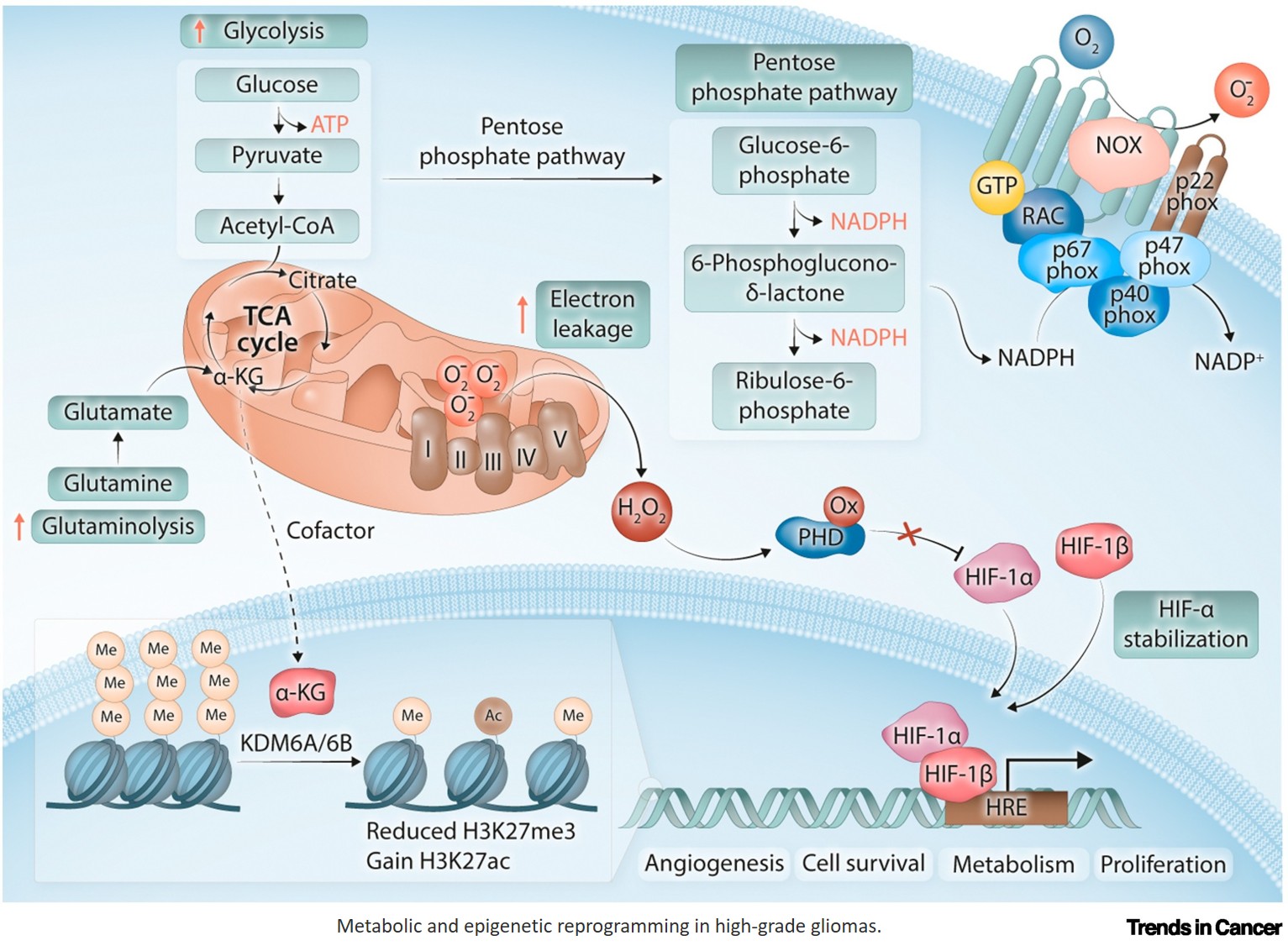
Survival of high-grade glioma and diffuse midline glioma (DMG) remains dismal, driven by tumor location, complex molecular features, adaptive immune exclusion, and resistance to chemoradiotherapy through metabolic and epigenetic reprogramming.
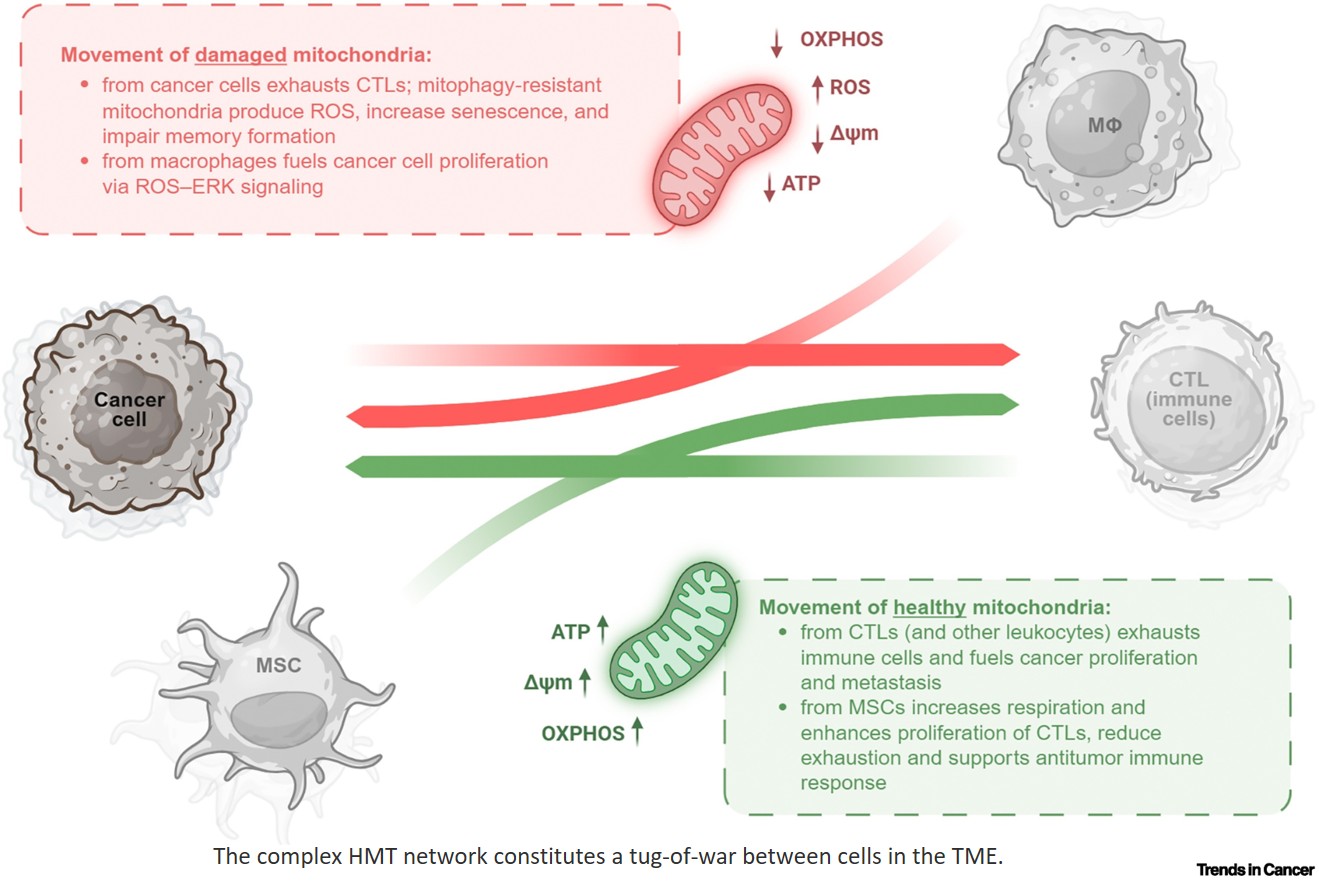
Radiotherapy and the recently FDA approved dordaviprone (ONC201, Modeyso) for progressive DMGs, both act through the generation of reactive oxygen species (ROS), driving oxidative damage and stress responses. However, ROS also promotes resistance via redox signaling and tumor–neuron– microenvironment connectivity, framing ROS as both ‘drivers and destroyers’.
Combined metabolic and epigenetic reprogramming and myeloid-dominant immune microenvironment further elevate ROS across high-grade gliomas.
Deeper insights into ROS-driven progression and resistance, alongside approaches targeting ROS, DNA repair, and metabolic vulnerabilities, could transform radiotherapy from palliative to therapeutic while enhancing immune therapies.
https://www.cell.com/trends/cancer/fulltext/S2405-8033(26)00005-1