

NUCLEOCYTOPLASMIC TRANSPORT INHIBITION AS A POTENTIAL THERAPEUTIC TARGET IN ENDOMETRIAL CANCER
SEB ANNUAL CONFERENCE, FLORENCE -2026, CELL BIOLOGY ABSTRACT
Eglė Žalytė݄- (Institute of Biosciences Life Sciences Center Vilnius University, Lithuania), Laura Marija Račytė- (Institute of Biosciences Life Sciences Center Vilnius University, Lithuania), Aistė Avižaitė (Institute of Biosciences LifeSciences Center Vilnius University, Lithuania), Evelina Šidlovska (National Center of Pathology, Lithuania),Margarita Montrimaitė (National Cancer Center, Lithuania),Gediminas Januška (National Cancer Center, Lithuania),Rūta Čiurlienė (National Cancer Center, Lithuania)
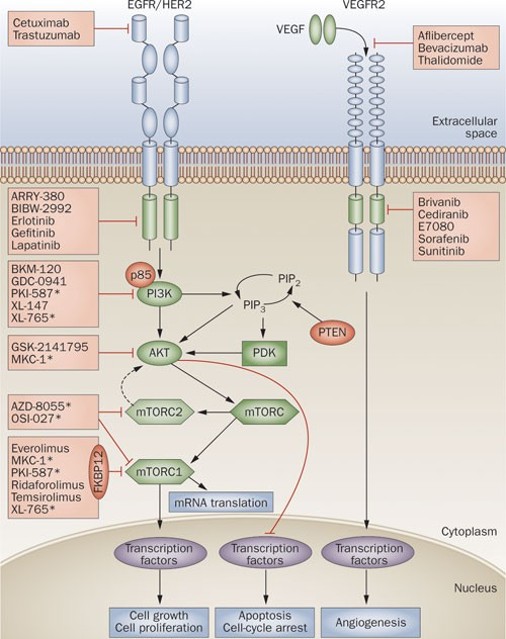
Endometrial (uterine) cancer ranks as the sixth most common cancer in women worldwide (Bray et al., 2024), with Lithuania and Poland leading in Europe. Older age, obesity, and some metabolic conditions are commonly linked to increased endometrial cancer risk, however, these factors do not explain its elevated prevalence in Lithuanian women (Makker et al., 2021). The standard management of endometrial cancer involves hysterectomy followed by adjuvant chemotherapy. However, the most common medicines used to treat endometrial cancer have many downsides. This study aimed to identify most effective targeted therapy treatments for Lithuanian endometrial cancer patients. First, we created personalized 2D and 3D endometrial cancer models from the tumor tissues of Lithuanian patients. We characterized these model systems by assessing cell growth rate, colony forming efficiency, expression of endometrial cancer and stem cell markers, and mutations of cancer-related genes. Then, we tested a panel of clinically relevant targeted therapy agents on endometrial cancer cells (2D) and multicellular spheroids (3D). We assessed cell metabolic activity, cell death, apoptosis, and changes in mitochondrial membrane potential. Our findings indicated that inhibitors targeting the PI3K/AKT/mTOR pathway and nucleocytoplasmic transport were the most effective chemotherapeutic agents. Furthermore, drug screening in malignant and non-cancerous endometrial tumor cells revealed that nucleocytoplasmic inhibition has the highest selectivity to malignant cells. In conclusion, our study unveiled different drug response patterns and identified nucleocytoplasmic transport inhibition as a promising therapeutic approach to treat endometrial cancer.