

DYSREGULATED AKT–FOXO3A AXIS IMPAIRS REDOX RESILIENCE IN RTT SYNDROME
Laura Gemmo (University of Ferrara, Italy), Sara Melija (University of Ferrara, Italy), Alessandra Pecorelli (University of Ferrara, Italy), Giuseppe Valacchi (University of Ferrara, Italy
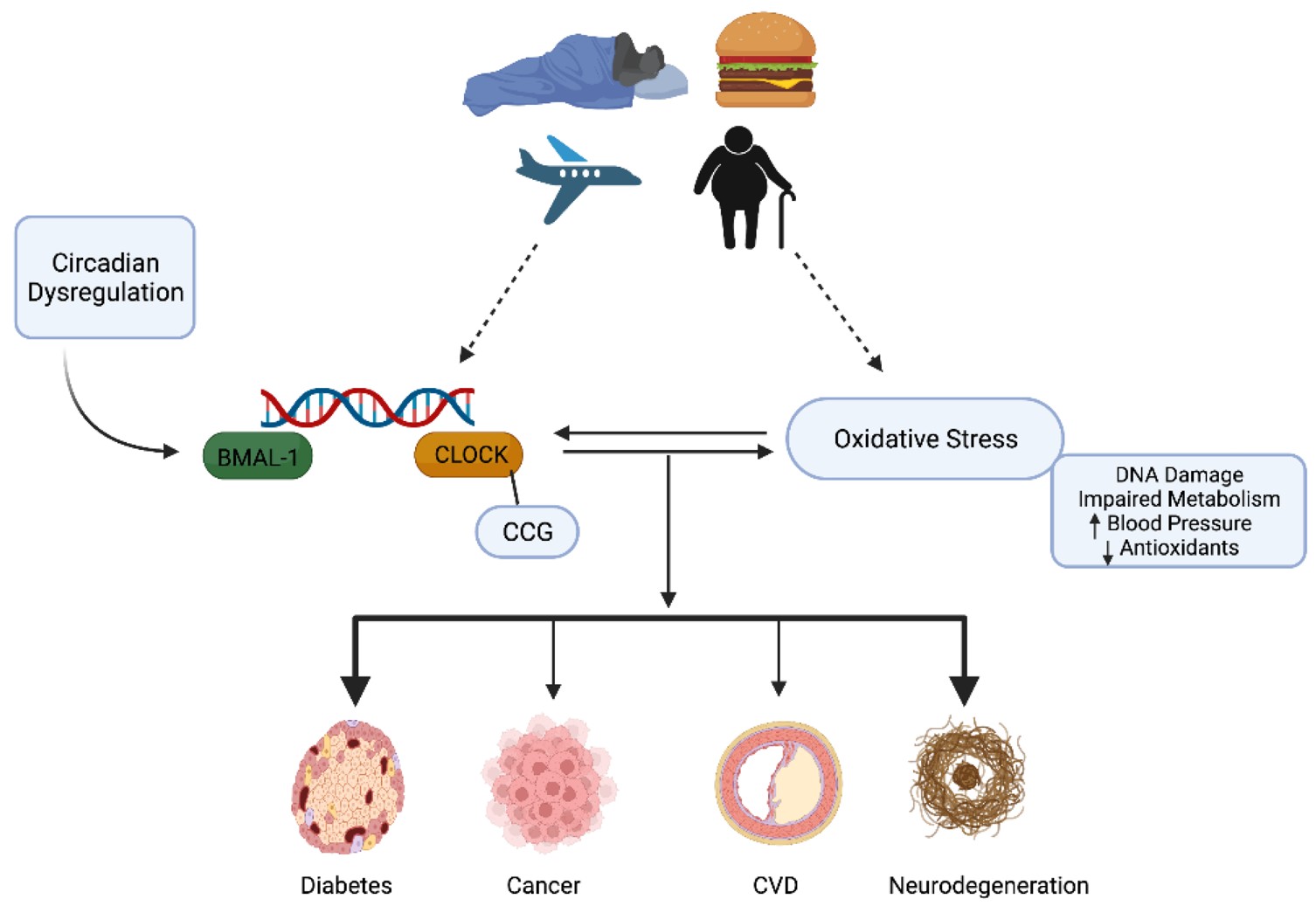
Rett syndrome (RTT) is a severe neurodevelopmental disorder primarily caused by MECP2 mutations, manifesting with systemic redox imbalance, chronic oxidative stress and oxinflammatory features. Emerging evidence highlights impaired adaptive responses to oxidative unbalance as possible critical drivers of RTT progression. The transcription factor Fork head box O 3a (FoxO3a) plays a pivotal role in cellular resilience, integrating signals to activate antioxidant enzymes, autophagy and apoptosis resistance pathways. Despite this, its involvement in RTT pathophysiology remains mainly uncharacterized. This study hypothesizes that aberrant PI3K/Akt–FoxO3a signaling could contribute to RTT redox homeostasis defects. Human fibroblasts from healthy controls and RTT patients underwent 16h serum starvation followed by acute H₂O₂ challenge (100 μM, 30 min) to mimic oxidative stress. AKT and FOXO3a mRNA levels were assessed by qRT-PCR, while total and phosphorylated proteins were evaluated by Western blot. Preliminary findings show robust AKT and FOXO3A transcriptional upregulation in H₂O₂-stressed controls, versus blunted, non-significant increases in RTT cells. Notably, RTT fibroblasts exhibited significant total Akt reduction post-challenge, with trends toward decreased p-Akt and total FoxO3a. Ongoing immunofluorescence analyses aim to localize FoxO3a/p-FoxO3a shuttling, while further qPCR downstream targets include SOD2 and catalase. These results implicate a role for Akt–FoxO3a dysfunction in RTT oxinflammation, proposing pathway modulation as a novel therapeutic avenue to restore redox balance and slow down progression.