




Nanoparticles hijack skull immune cells to bypass the blood-brain barrier for brain drug delivery
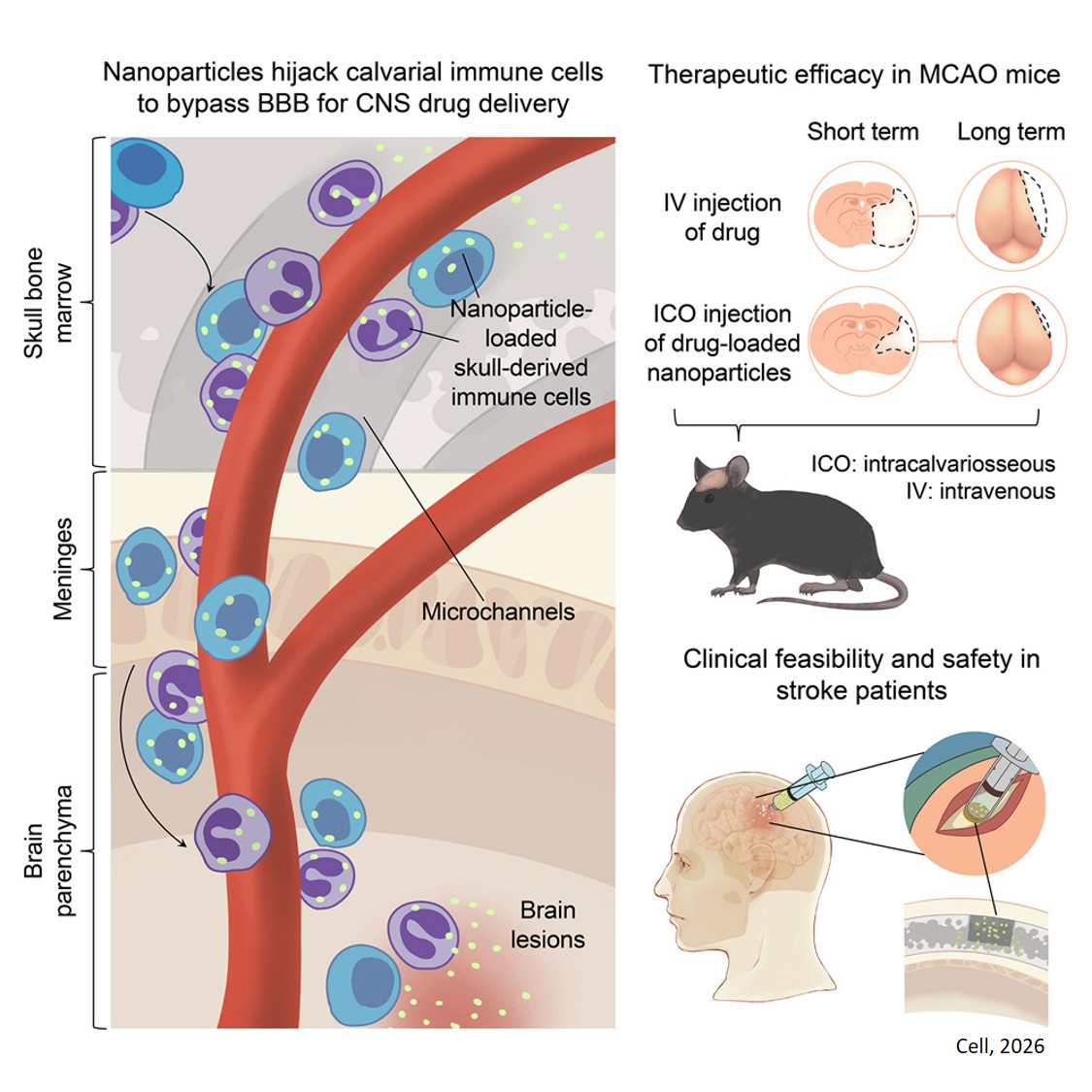
Recent discoveries in neuroimmunology, however, have revealed a previously underappreciated pathway connecting the skull bone marrow to the brain. Immune cells residing in the calvarial bone marrow can migrate through skull-meninges microchannels, allowing them to access brain tissue rapidly while bypassing the classical BBB. This finding has opened new possibilities for delivering therapeutic materials directly to the brain.
A research team has now demonstrated how this pathway can be harnessed for targeted CNS therapy. In a study published in the journal Cell, the researchers reported a strategy in which nanoparticles “hijack” calvarial immune cells, using them as carriers to transport therapeutic cargo directly into the brain for stroke treatment.
By injecting albumin-based nanoparticles into the skull bone marrow, the team achieved efficient uptake through local myeloid immune cells. Compared with conventional intravenous administration, this approach resulted in minimal systemic exposure and markedly improved delivery efficiency to the brain. In models of neuroinflammation or acute ischemic stroke, the nanoparticle-loaded immune cells migrated through skull-meninges channels and preferentially accumulated at brain lesion sites, enabling targeted drug delivery while bypassing the BBB.
Using the neuroprotective drug nerinetide (NA1) as a model drug, the researchers showed that this delivery strategy significantly reduced infarct size, brain edema and neurological deficits in mice, even at doses as low as one fifteenth of those required for intravenous delivery. Notably, therapeutic benefits were observed when treatment was initiated up to 4.5 hours after stroke onset, a clinically relevant time window. Long-term follow-up further revealed sustained preservation of brain structure, accompanied by improved functional recovery and survival.
To explore clinical feasibility, the team conducted the first in human exploratory study involving patients with malignant middle cerebral artery infarction. The skull bone marrow injection procedure was well tolerated, with no serious adverse events observed during follow-ups, and early signs of neurological improvement were observed in treated patients.
“This work demonstrates that the calvarial bone marrow is not just a passive reservoir of immune cells, but a functional gateway to the brain,” said the lead author of the study. “By leveraging immune cell trafficking, we can establish an effective immune-guided route for delivering therapeutics to the CNS.”
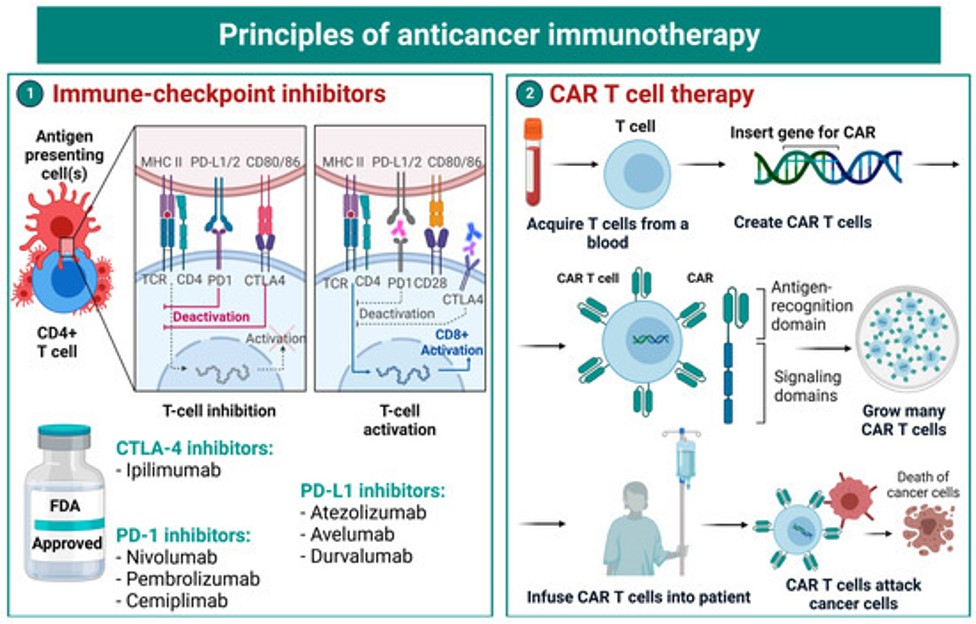
Beyond drug delivery, the team noted, the skull bone marrow-brain pathway may present alternative approaches for a variety of different carriers, such as stem cells or CAR-T cells, as well as functional nanomaterials designed for wireless, non-invasive brain interaction. “It points to a new class of brain interfaces that operate not only through information transport, but also via controlled matter delivery,” they said, “integrating therapy, immunomodulation, and brain-machine interaction.”
In summary, this promising approach offers a versatile platform for next-generation CNS treatments. By bypassing the blood-brain barrier, it can enable targeted delivery for a wide range of CNS disorders, while also laying the foundation for advanced, minimally invasive brain-machine interfaces.
https://www.cell.com/cell/fulltext/S0092-8674(25)01421-7
https://sciencemission.com/Nanoparticles-hijack-calvarial-immune-cells-f