


Understanding sepsis infections using cellular behavioromics
Despite the best efforts of Intensive Care Unit (ICU) staff and physicians and the most advanced life-support the researchers, witness a lot of deaths in the ICU that are attributed to sepsis.
“Sepsis is the body’s overwhelming immune response to an infection and sometimes that response can cause death,” says a clinician-scientist. “While many cases involve people with long term illnesses, seemingly healthy people can be at work or home one moment and then within hours be admitted to ICU.”
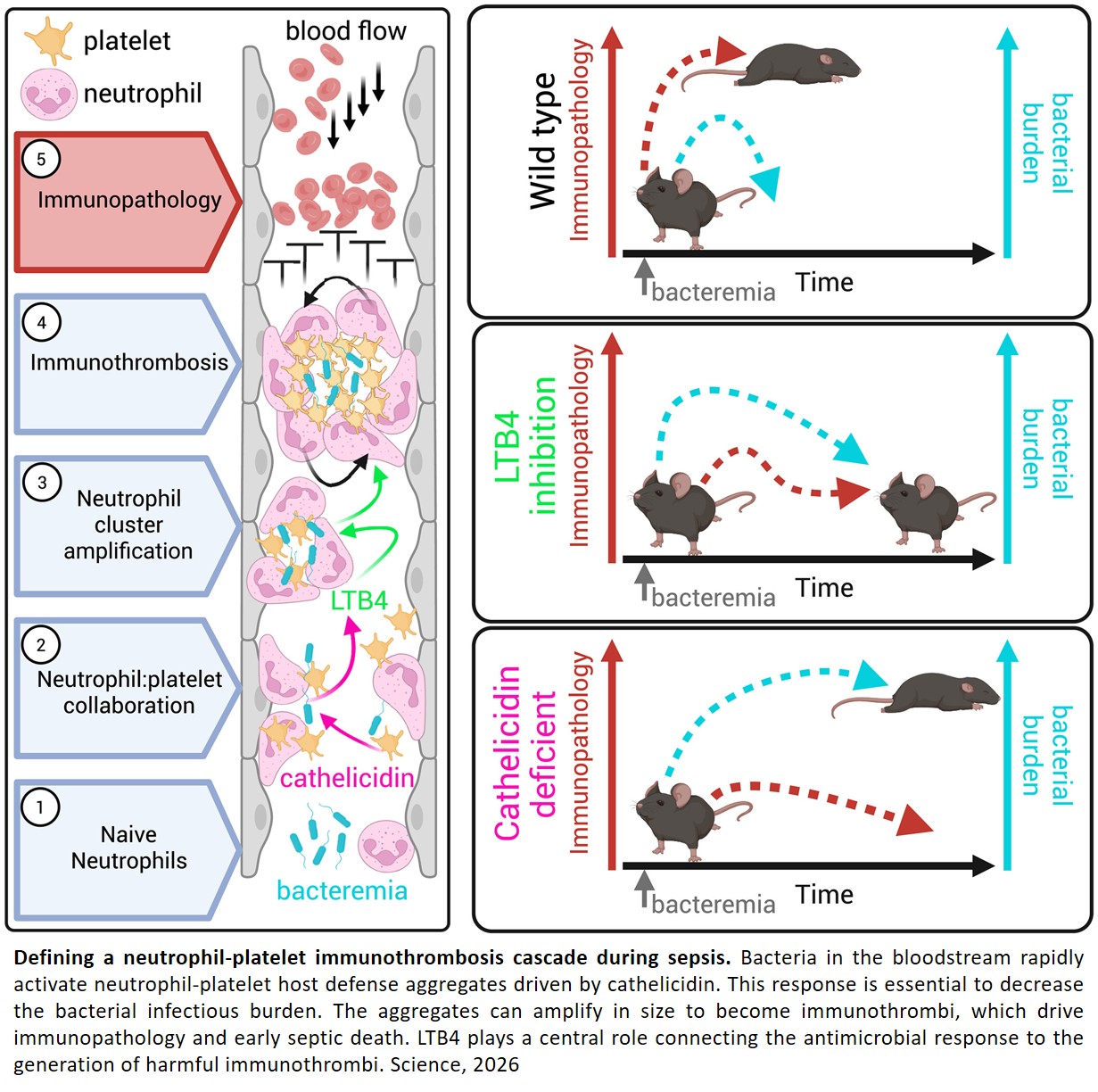
When someone is septic, their immune cells cluster together, clogging up the circulatory system and reducing or stopping blood flow. When that happens, organs begin to fail. Researchers analysed the clustering behaviour by combining two well known scientific techniques.
“We saw immune cells carry out complex swarming behaviors like bird murmuration. Just like the aerial ballet performed by a flock of birds, the synchronization of the cells was powerful and mesmerizing. But then we wondered, how are we going to make any sense out of it?” says the principal investigator on the study. “We developed a new method of combining microscopy with digital informatics to create something we coined cellular behavioromics.”
Instead of treating the cellular images like pictures, the team noted each cell’s features including the shape and size, the speed in which it moved, and the direction it took. Researchers then assigned numbers to those features and started feeding that data into a bioinformatics pipeline.
“Our approach enabled us to sort out the cells. We found 18 different clusters of behaviors involved in the cellular swarms during sepsis,” says the first author on the study. “Understanding cell behaviour can provide insight on new treatments including when to administer the treatment.”
The senior author says the new understanding prompted his team to look at treatment options at varying intervention points that could prevent cells from clustering.
“The findings allowed us to propose targeted therapeutics to block bad host responses and allow good host responses to improve survival during sepsis,” says the author. “Currently, the treatment gold standard for sepsis is to administer antibiotics within an hour of deciding that someone is septic. We wondered whether an additional medication used in conjunction with the antibiotics would be beneficial.”
Findings from the research, conducted in mice, showed promising results. A well-known, safe asthma medication prevented certain cells from clustering. The author says while there is still a lot of investigating to do, the fact that sepsis affects and often kills millions of people world-wide each year.