

Genetic variation impact scores for earlier heart disease detection
An international research consortium has mapped the functional impact of more than 17,000 variants in a major gene associated with the development of premature atherosclerotic heart disease.
The study, reported in the journal Science, will go a long way to improving the early diagnosis and treatment of familial hypercholesterolemia (FH), a common genetic driver of cardiovascular disease that occurs in an estimated 1 in every 250 individuals, the researchers noted.
FH is underdiagnosed and undertreated, in part because of the lack of classification, or determination of pathogenicity (the ability to cause disease), for most new variants detected during genetic testing in the clinic.
The new variant impact scores “have the potential to increase the number of (FH) diagnoses for those with unclassified variants by a factor of 10,” predicted a co-author of the report.
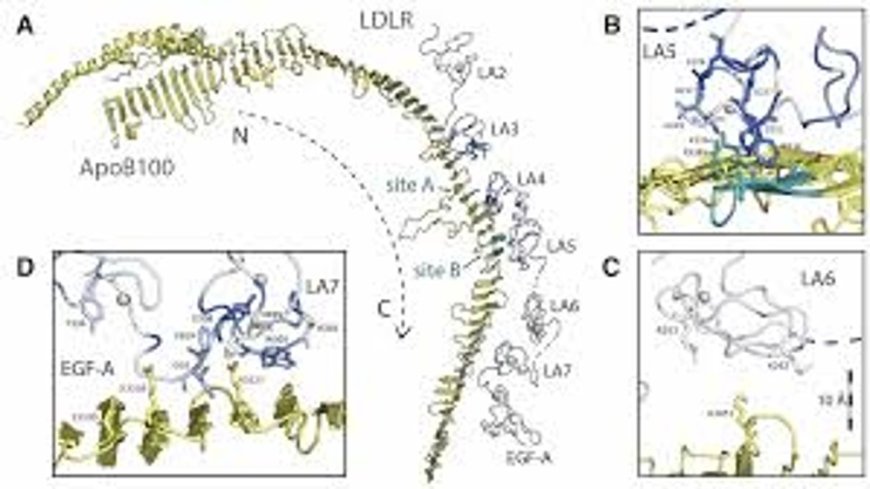
The study focused on variations in the gene for the low-density lipoprotein receptor (LDLR), which normally clears the blood of LDL cholesterol, a major culprit in the buildup of atherosclerotic plaque on blood vessel walls.
The researchers developed, optimized and validated a range of high-throughput cellular assays to measure variant function and discriminate pathogenic from benign variants. They used cutting-edge techniques to determine the functional impact of thousands of LDLR gene variants on LDL clearance and on the abundance of LDL receptors at the cell surface.
The goal is to develop a variant-centric decision support system that will be shared widely to help clinicians evaluate functional evidence of heart disease in patients undergoing genetic testing, thereby facilitating personalized care.
The researchers tested the impact of ~17,000 (nearly all possible) LDLR missense coding variants on both LDLR cell-surface abundance and LDL uptake, yielding sequence–function maps that recapitulate known biochemistry, offer functional insights, and provide evidence for interpreting clinical variants.
Functional scores correlated with hyperlipidemia phenotypes in prospective human cohorts and augmented polygenic scores to improve risk inference, highlighting the potential of this resource to accelerate familial hypercholesterolemia diagnosis and improve patient outcomes.
“By identifying damaging LDL receptor variants, clinicians can initiate preventive treatment early on and mitigate risks,” the author said in a news release.