




A lot of immune cells enter the human brain during aging!
The brain's immune system has long been thought to exist independently from the rest of the body, complete with its own specialized immune cells and a blood-brain barrier that limits what can travel into the brain.
Now, researchers have found that aging brings with it a large influx of immune cells into the brain, a discovery that not only upends current thinking but could also open new avenues for treating neurological disease. The researchers, whose out-of-the-box work was described in the journal Nature.
"We usually think of the brain as a closed system," said the first author on the new study. "What we found is that actually a lot of immune cells enter the human brain during aging."
analyzing genetic data on thousands of people, some tracked over the course of several decades, the team showed that people with specific clones of immune cells arising from mutated blood stem cells were much less likely than others to get Alzheimer’s – hinting that those cells might interact with the brain.
The team went on to show that some of these mutant cells could somehow make their way into the brain. Although the mutations involved – known as clonal hematopoiesis of indeterminate potential – only affect a minority of people, the finding got the researchers wondering whether this influx of immune cells was occurring in the broader aging population.
“Unlike most immune cells, which are continuously replenished by blood stem cells from the bone marrow, immune cells in the brain were presumed to renew themselves throughout the lifespan without contribution from outside the brain,” said the senior author. “Our first study showed that this might not always be the case.”
That idea ran counter to what many others believed – that the brain’s specialized immune cells, called microglia, are all present in the brain from birth, and that no other immune cells migrate in. Now, the authors wondered whether such migration was not only possible, but perhaps even a common occurrence in aging.
The idea that immune cells in the blood might have something to do with Alzheimer’s was unusual – and controversial – so in 2022 the authors sought support from the Knight Initiative for Brain Resilience, which backs research aimed at reshaping the study of brain resilience and neurodegenerative disease.
They set out to see why peripheral immune cells boost Alzheimer’s resilience – but first, they needed to establish whether microglia really do get reinforcements from immune cells in the blood.
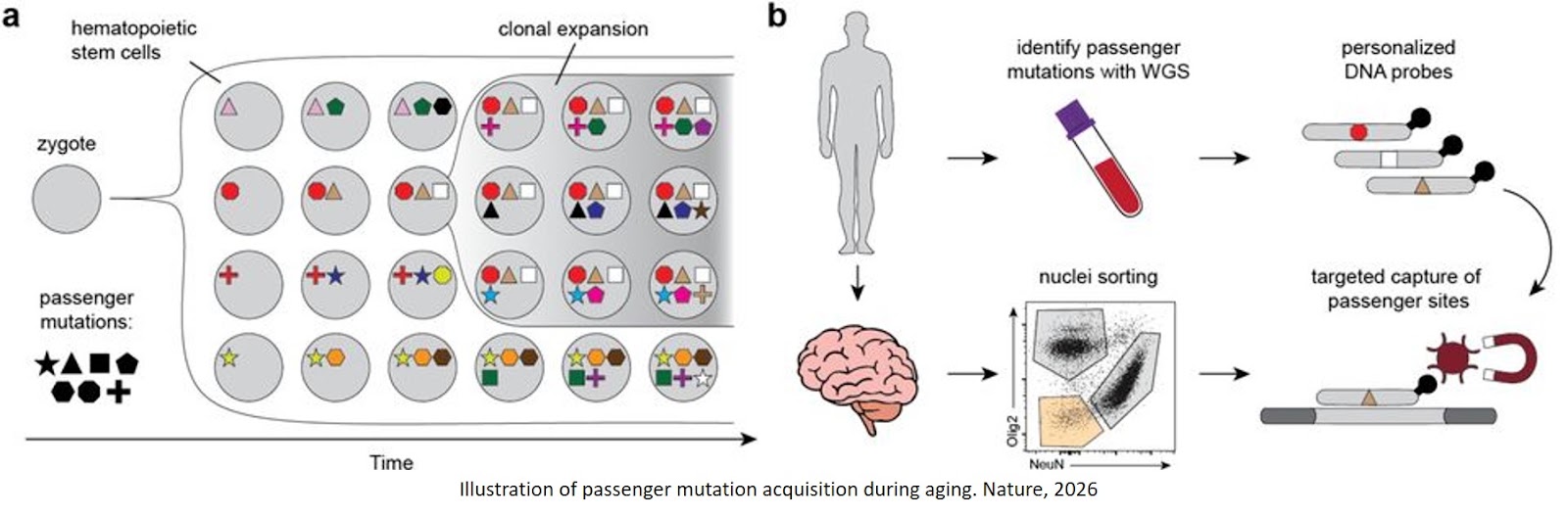
To answer the question, they turned to human brain samples but the team needed a way to determine where immune cells in the brain came from. Since immune cells are constantly dividing, this means tracing cells' lineage back to learn whether their ancestors came from the original population of microglia – present in the brain from birth – or from blood stem cells in the bone marrow later in life.
The team's key insight was to study DNA from immune cells in both blood and brain samples, then use shared mutations to trace their lineages – not unlike a consumer ancestry testing service. Mutations build up randomly in our blood stem cells as we age, and the immune cell progeny of those stem cells inherit those mutations. This means that two immune cell populations with the same mutations almost certainly share a common origin, the first author explained. "If we see the same mutations in the blood and in the brain's microglia, then we can be very confident that immune cells in the brain are descendants of those immune cells in the blood," she said.
Building on that idea and drawing on tools from their 2023 study, the authors compared immune cells from blood and brain samples and showed there was a match: immune cells had indeed moved from the body into the brain as early as middle age. Additional studies showed that these peripheral immune cells transformed into specialized microglia in the brain. That’s something that doesn’t appear to happen in other species like mice or non-human primates.
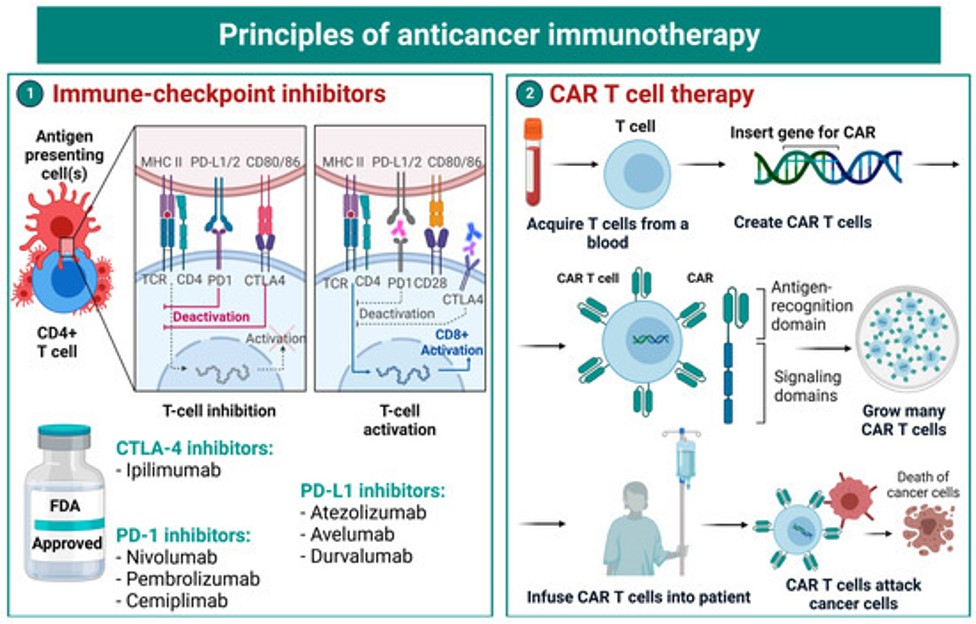
In addition to upending previous expectations, the discovery could also be an exciting new avenue for the development of brain-focused immunotherapies, the author said. "Now that we know that these immune cells actually can get into the brain, we can think about all kinds of new engineering strategies to have those peripheral immune cells do useful things."
For example, researchers could imagine engineering immune cells that can chew up amyloid and tau aggregates associated with neurodegenerative disease, then deliver these to people as a preventative measure before the aggregates start to build up.
Since many of the microglia in aging humans seem to be derived from blood stem cells, the discovery also opens up a new line of investigation into how factors that influence blood or bone marrow cells could impact the brain. “Our findings suggest that the life history of blood stem cells could influence the risk of brain diseases by altering the microglia,” the senior author said.
https://www.nature.com/articles/s41586-026-10939-0
https://sciencemission.com/Somatic-mutations